Ada hengu khechudi Recipe
Ginger and asafoetida give this gentle Odia rice-and-moong dish its deep aroma.
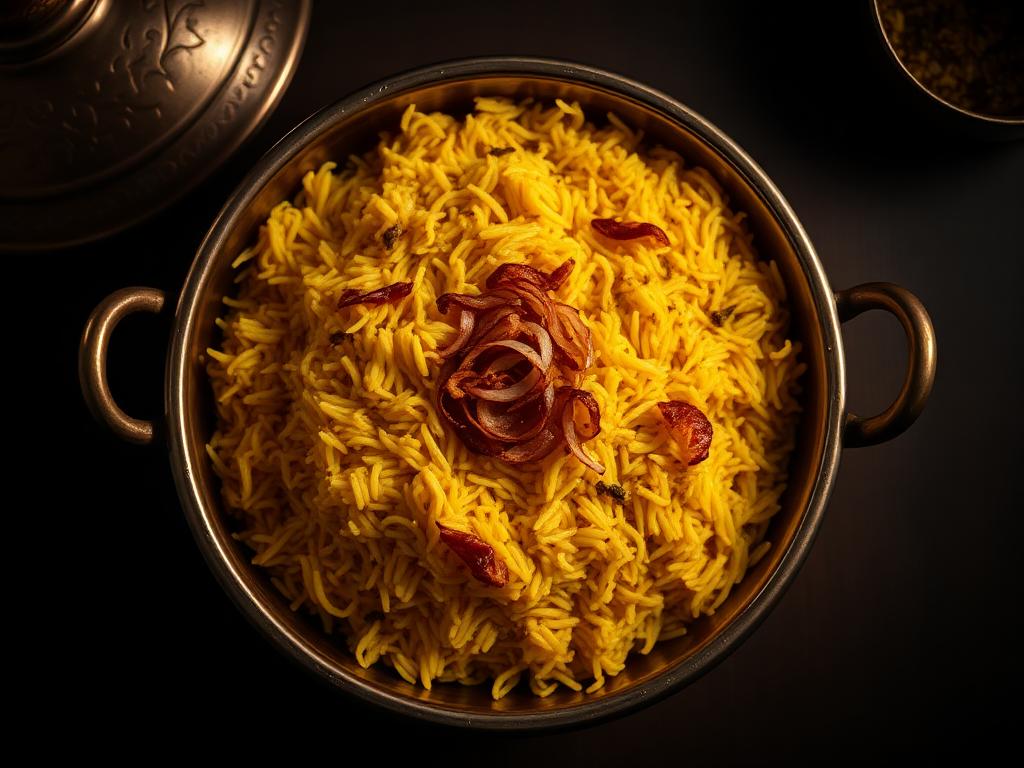
About this dish
Ada means ginger and hengu means asafoetida in Odia, and together they define this aromatic khechudi. Their warmth suits the restrained, no-onion, no-garlic cooking associated with many devotional and household meals in Odisha. Rice, moong dal and ghee provide a gentle base, while ginger and hengu bring savoury depth without a heavy masala. This is a home-kitchen interpretation in that tradition, not a verified recipe for a particular Jagannath temple offering.
Ingredients
Rice and dal
- 250 g aromatic raw white rice (1¼ cups)
- 150 g split yellow moong dal (¾ cup)
- 1.44 litres hot water (6 cups)
- 240 ml additional hot water, only if needed (1 cup)
Ginger and seasonings
- 25 g peeled fresh ginger, finely grated (2 tablespoons plus 1 teaspoon)
- 0.4 g compounded asafoetida (¼ teaspoon)
- 2 g cumin seeds (1 teaspoon)
- 1 g black peppercorns, coarsely crushed (½ teaspoon)
- 2 small Indian bay leaves (about 0.4 g)
- 1 g ground turmeric (½ teaspoon)
- 7.5 g fine salt (1¼ teaspoons), or to taste
- 37 g ghee (2½ tablespoons)
Method
- 1
Roast the dal gently
Put the dry moong dal in a heavy saucepan over medium-low heat. Stir for 5–7 minutes, until it smells nutty and a scattering of grains turns light gold. Remove it from the pan immediately if you see rapid browning.
- 2
Rinse rice and dal
Let the roasted dal cool off the heat for 3 minutes, then rinse and drain it. Wash the rice separately in three changes of water over another 3 minutes. Keep them separate, since the dal will begin cooking before the rice.
- 3
Prepare the ginger
Grate the peeled ginger finely and divide it into roughly 20 g and 5 g portions. Crush the peppercorns coarsely, working off the heat for 2 minutes. The ginger should be juicy and fragrant, with any tough fibres discarded.
- 4
Build the first tempering
Heat 22 g, or about 1½ tablespoons, of the ghee in the saucepan over medium-low heat. Add the cumin and bay leaves for 30–45 seconds, then lower the heat and add half the asafoetida and the 20 g ginger portion. Stir for 30–45 seconds, until the raw ginger smell softens but the ginger has not browned.
- 5
Start cooking the dal
Add the drained dal, turmeric and 960 ml, or 4 cups, of the hot water. Bring to a boil over medium heat, then simmer partially covered over medium-low heat for 10–12 minutes. The grains should be swollen and beginning to soften at the edges.
- 6
Add rice and pepper
Stir in the drained rice, crushed pepper, salt and remaining 480 ml, or 2 cups, of the measured hot water. Bring back to a gentle boil over medium heat for 2 minutes. Stir along the base once to distribute the dal and prevent sticking.
- 7
Cook to a yielding texture
Cover with the lid slightly ajar and simmer over low heat for 18–22 minutes. Stir gently once or twice, adding reserved hot water in 60 ml portions only if the mixture becomes dry before the grains soften. The finished rice and dal should yield easily when pressed, with no gritty centre.
- 8
Finish with ginger and hengu
Heat the remaining 15 g ghee in a small pan over low heat for 1 minute. Add the remaining 5 g ginger and cook for 30–45 seconds, then add the remaining asafoetida for just 5 seconds before removing the pan from the heat. Pour this fragrant ghee over the cooked khechudi and fold it through gently.
- 9
Rest and adjust
Turn off the heat, cover and rest for 10 minutes. Stir gently for 30 seconds and, if it has tightened too much, loosen with a small splash of the reserved hot water. Taste for salt and serve warm, with the ginger noticeable and the hengu rounded rather than harsh.
Notes & variations
- All cup measures use a 240 ml cup; quantities are given for raw rice and dry split yellow moong dal.
- The asafoetida quantity assumes a compounded powder. Pure resin or highly concentrated hing is much stronger, so follow the product guidance and begin with a tiny pinch.
- Some compounded asafoetida contains wheat flour; choose a certified gluten-free product if required.
- No onion, garlic or chilli is needed here. The spice rating reflects the warmth of fresh ginger and black pepper rather than chilli heat.
Serve with
Mild dalma, steamed or sautéed greens, ou khatta and roasted papad.
Cook's note
Split the ginger and hengu between the cooking base and final ghee seasoning for depth and a fresh finishing aroma.