Ari Pathiri
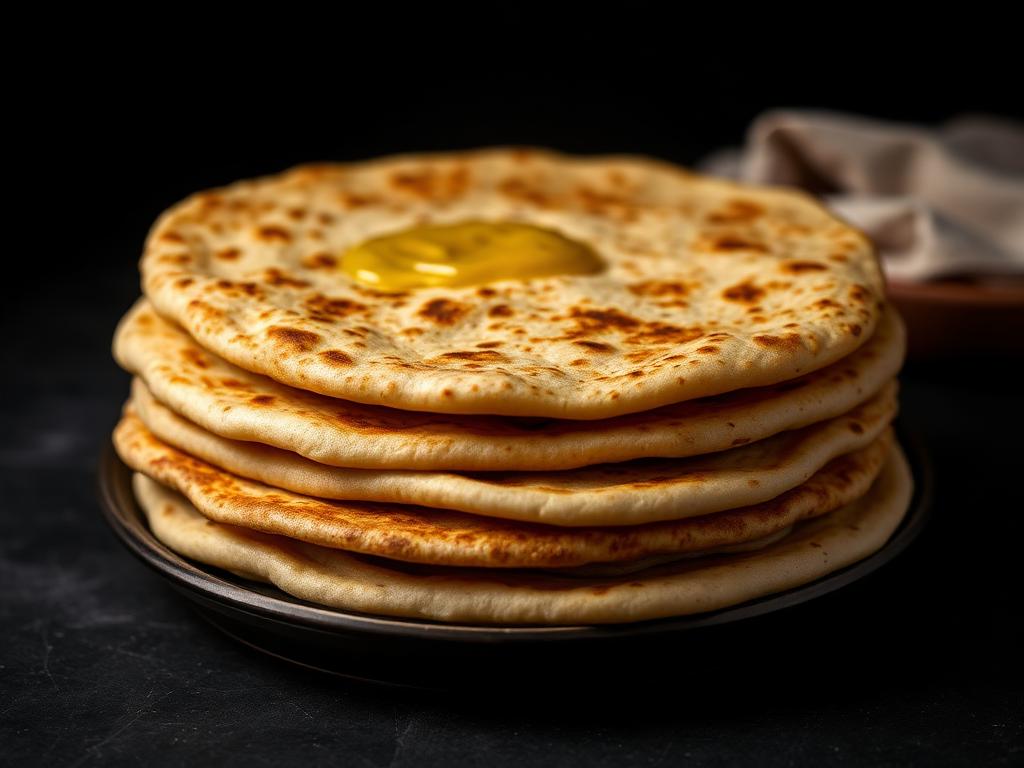
Traditional Malabar silk-soft thin rice pancakes served with spicy meat gravy.
About this dish
Originating from the Mappila community of the Malabar region, Ari Pathiri is a thin, silken rice pancake that represents the pinnacle of Malayali culinary finesse. Unlike the fermented Appam, these are unleavened and depend entirely on the gelatinization of rice starch for their signature softness. They are traditionally prepared for Iftar during Ramadan or for special guests, paired typically with a spicy mutton or chicken gravy.
Ingredients
The Dough
- 2 cups (approx. 300g) Pathiri Podi (roasted fine rice flour)
- 2.5 cups (600ml) water
- 1/2 tsp salt
- 1 tsp coconut oil
- 2 tbsp freshly grated coconut (optional, for texture)
For Rolling
- 1/4 cup dry rice flour for dusting
Method
- 1
Boiling the Water
In a deep, heavy-bottomed pot, bring 2.5 cups of water to a rolling boil along with salt and coconut oil. The water must be bubbling vigorously before adding the flour to ensure the rice starch gelatinizes properly for a soft texture. If the water isn't hot enough, the pathiri will turn out brittle and dry.
- 2
Mixing the Flour
Reduce the flame to the lowest setting and pour the rice flour into the center of the boiling water. Do not stir immediately; let it sit for 30 seconds, then use the handle of a wooden spoon to vigorously mix until all the water is absorbed and a lumpy dough forms. Cover with a lid and let it steam on low heat for exactly 1 minute before turning off the stove.
- 3
Hot Kneading
Transfer the hot dough to a wide plate or 'thali'. While the dough is still very warm (as hot as your hands can bear), dip your palms in room temperature water and knead the dough for at least 5-7 minutes. You are looking for a smooth, pliable, non-sticky dough that feels like soft silk; kneading while hot is the only way to prevent cracks.
- 4
Portioning
Divide the dough into small, smooth, lime-sized balls about 3cm in diameter. Keep these balls covered with a damp kitchen towel at all times to prevent a skin from forming, which would cause the pathiri to break when rolled.
- 5
Rolling to Paper Thinness
Dust a rolling board lightly with rice flour. Take a ball and roll it out into a very thin circle, approximately 6-7 inches in diameter. The edges should be clean; if they are jagged, use a circular lid to trim them into a perfect circle, though a master chef aims for a natural round edge.
- 6
Initial Searing
Heat a flat non-stick tawa or cast iron griddle on medium-high heat. Place the pathiri on the hot pan; do not use oil. Wait for about 15-20 seconds until tiny bubbles start to appear on the surface, then flip it over immediately.
- 7
Puffing the Pathiri
Cook the second side for another 30 seconds. Use the back of a spoon or a soft cloth to gently press the edges of the pathiri, which encourages it to puff up like a balloon. Flip one last time for 5 seconds and remove; the pathiri should remain white, without any brown spots.
- 8
Soaking (Optional Technique)
For an ultra-soft 'Ney-Pathiri' style, some households briefly dip the cooked pathiri into a bowl of thin coconut milk and stack them. This keeps them moist for hours, though it is not mandatory for standard Ari Pathiri.
- 9
Stacking
Stack the cooked pathiris one on top of the other in an insulated container lined with a cloth. The residual steam between the layers keeps them soft and prevents them from drying out.
Notes & variations
- Always use 'Pathiri Podi' (extra fine roasted rice flour) rather than standard rice flour for the best results.
- If the dough becomes too cold to knead, it will lose its elasticity; work in small batches if necessary.
- Leftover pathiris can be steamed for 2 minutes to regain their softness the next day.
- Ensure the tawa is not too hot, or you will get brown spots which are considered a sign of poor technique.
Serve with
Serve hot with Malabar Mutton Curry or a spicy Chicken Mappas.
Cook's note
To check if your dough is perfect, roll a ball and flatten it; if the edges don't crack, your kneading is complete.