Avalakki Oggarane
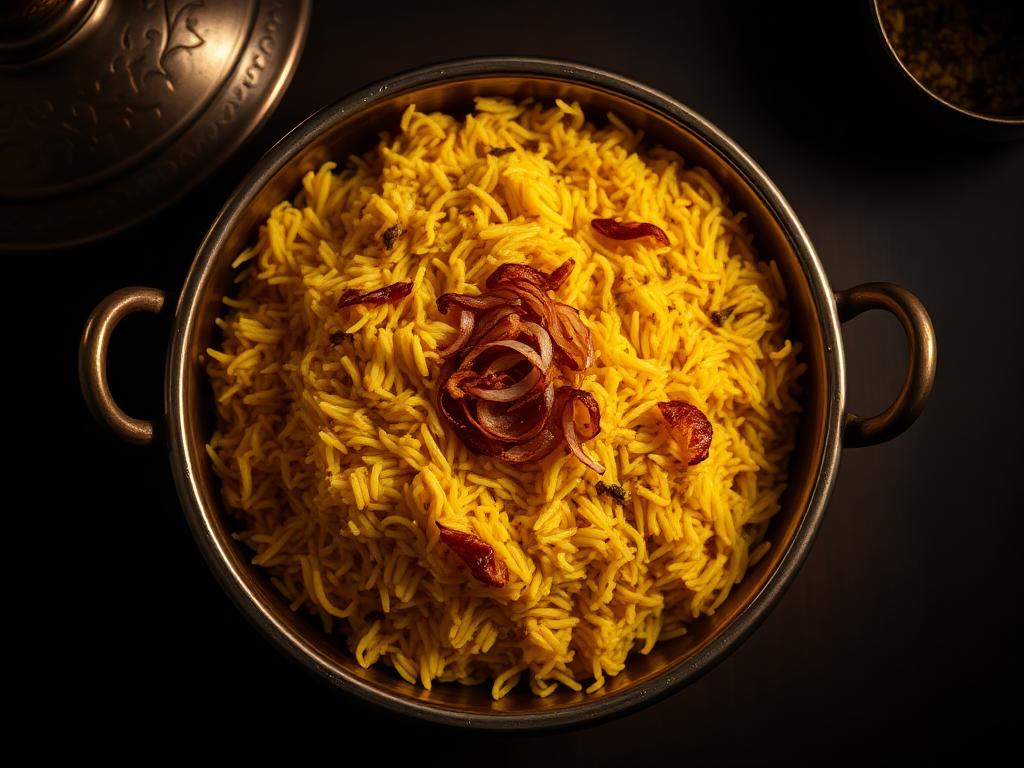
A quintessential North Karnataka breakfast staple, Avalakki Oggarane is the region's answer to Poha, distinguished by its use of thick-flaked beaten rice and a distinctively crunchy tempering.
About this dish
A quintessential North Karnataka breakfast staple, Avalakki Oggarane is the region's answer to Poha, distinguished by its use of thick-flaked beaten rice and a distinctively crunchy tempering. It is frequently prepared for 'Tiffin' or morning tea, often featuring a generous amount of roasted peanuts and fresh coconut. The addition of sugar and lemon juice creates the signature sweet-sour-spicy profile that defines Kannada Brahmin cuisine.
Ingredients
The Base
- 250g (3 cups) Thick Poha/Avalakki
- 1/2 tsp Turmeric powder
- 1 tsp Salt
- 2 tsp Sugar
The Tempering (Oggarane)
- 3 tbsp Peanut oil
- 1 tsp Mustard seeds
- 1 tsp Cumin seeds
- 1/4 cup Raw peanuts
- 1 tbsp Chana dal (Bengal gram)
- 1 tsp Urad dal (Black gram)
- 1/8 tsp Hing (Asafoetida)
- 3-4 Green chilies, slit
- 2 Sprigs Curry leaves
- 1 Large Onion, finely chopped
Garnish
- 1/4 cup Fresh grated coconut
- 2 tbsp Fresh coriander, chopped
- 1 tbsp Lemon juice
Method
- 1
Wash and hydrate the flakes
Place the thick avalakki in a colander and rinse under running water for 30-45 seconds. Do not soak them in a bowl, or they will turn mushy; they should be moist but firm to the touch. Sprinkle salt, sugar, and turmeric over the damp flakes, toss gently with your fingers, and set aside for 10 minutes to bloom.
- 2
Prepare the oil and peanuts
Heat the peanut oil in a heavy-bottomed kadai or wok over medium heat. Add the raw peanuts first and fry them for 2 minutes until they turn a deep golden brown and start to crackle. This ensures the peanuts stay crunchy even after the dish is finished.
- 3
Crackling the spices
Add the mustard seeds to the hot oil; once they splutter, add the cumin seeds, chana dal, and urad dal. Sauté for 1 minute until the dals become aromatic and reddish-gold. Immediately add the hing to the oil to release its savory aroma without burning it.
- 4
Aromatics and curry leaves
Toss in the curry leaves and slit green chilies. Stand back as the leaves will pop and release their essential oils into the fat. Fry for 30 seconds until the chilies look slightly blistered and white on the edges.
- 5
Sauté the onions
Add the finely chopped onions to the pan. Sauté over medium heat for 4-5 minutes until they become translucent and soft, but not browned. You want the sweetness of the onion to balance the savory tempering.
- 6
Incorporate the avalakki
Check the hydrated avalakki; the grains should be separate and soft. Break up any lumps gently and add them to the kadai. Lower the heat to minimum to prevent the bottom from scorching.
- 7
Mixing and heating
Using a light hand, fold the tempering into the rice flakes until the turmeric colors everything a uniform bright yellow. Avoid aggressive stirring which breaks the delicate flakes. Cover with a lid and steam for 3 minutes on low heat.
- 8
Final seasoning adjustment
Remove the lid and give it one final toss. Taste for salt and sugar; it should have a balanced sweet-salty profile. If it feels too dry, sprinkle a tablespoon of water and steam for one more minute.
- 9
Garnishing
Turn off the heat and add the lemon juice, fresh coriander, and a generous heap of freshly grated coconut. The residual heat will warm the coconut and release its oils, enhancing the richness of the dish.
Notes & variations
- Use only 'Thick' or 'Medium' Poha; 'Thin' Poha will dissolve into paste when washed.
- Add a pinch of sugar to the tempering oil to help the onions caramelize faster and evenly.
- If making for a lunchbox, add an extra tablespoon of oil to keep the flakes moist for longer.
- Variation: Add 1/2 cup of boiled green peas or finely diced boiled potatoes for a heartier meal.
Serve with
Serve hot with a side of spicy Sev (Omapodi) and a cup of filter coffee.
Cook's note
Always rub the turmeric into the damp avalakki before cooking to ensure an even, vibrant yellow color without raw spice smell.