Basale Gassi (Malabar Spinach Curry)
Basale Gassi, or Koddel in the Tulu language, is a cornerstone of Udupi and Mangalorean cuisine featuring Malabar Spinach (Basale).
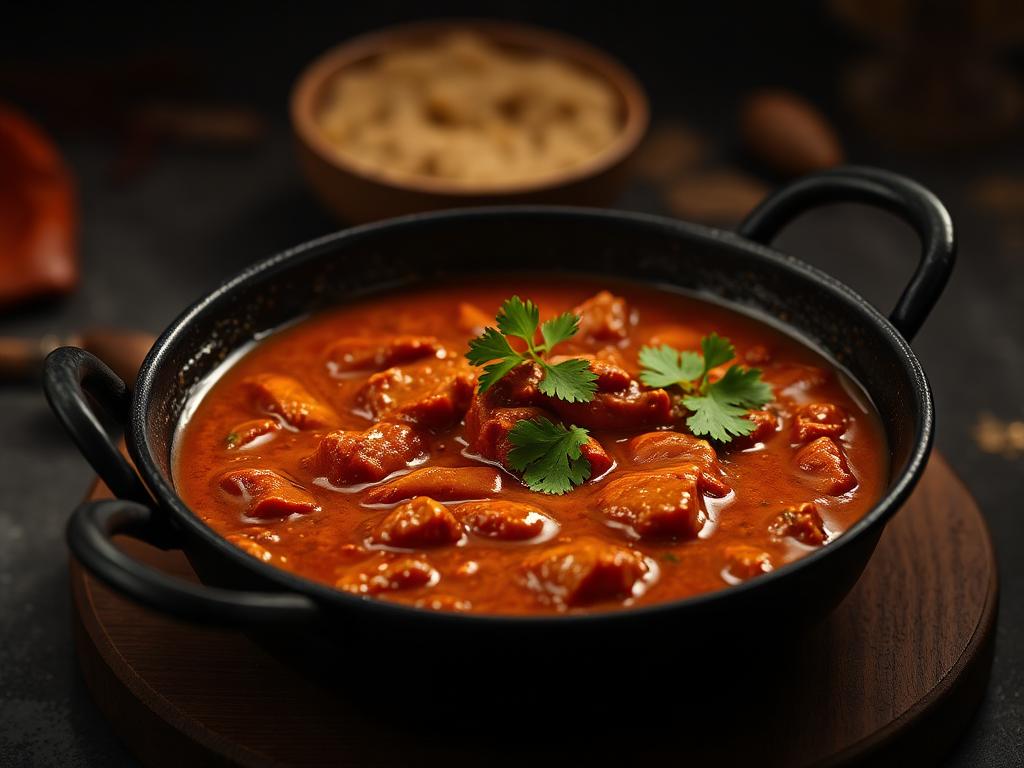
About this dish
Basale Gassi, or Koddel in the Tulu language, is a cornerstone of Udupi and Mangalorean cuisine featuring Malabar Spinach (Basale). This vine-based spinach is thicker and slimier than regular spinach, providing a unique mouthfeel. The dish is characterized by a heavy coconut base and a distinct tempering of garlic, reflecting the coastal landscape of Karnataka.
Ingredients
The Greens and Pulses
- 250g Basale Soppu (Malabar Spinach), leaves chopped, stems cut into 2-inch pieces
- 100g (1/2 cup) Toor Dal (Pigeon peas)
- 1/2 tsp Turmeric powder
- 1/2 tsp Salt
Coconut Masala Paste
- 150g (1.5 cups) Fresh grated coconut
- 6-8 Dried Byadagi chillies (soaked in warm water)
- 1 tbsp Coriander seeds
- 1/2 tsp Cumin seeds
- 1 small marble-sized ball of Tamarind
- 1/2 tsp Peppercorns
The Tempering (Tadka)
- 2 tbsp Coconut oil
- 1 tsp Mustard seeds
- 8-10 Cloves of garlic, crushed with skin on
- 1 sprig Curry leaves
Method
- 1
Pressure Cook Dal and Stems
Wash toor dal and place in a pressure cooker with 2 cups of water, turmeric, and the cut Basale stems (stems take longer to cook than leaves). Cook for 3-4 whistles until the dal is mushy and stems are tender. Do not add the leaves yet.
- 2
Wilt the Leaves
Open the cooker once the pressure releases, add the chopped Basale leaves and a splash of water if needed. Simmer on medium heat for 5 minutes without a lid; the leaves will wilt quickly and release their natural mucilage, thickening the broth.
- 3
Toast the Spices
In a small pan, dry roast coriander seeds, cumin, and peppercorns for 2-3 minutes until they release a nutty aroma. Ensure the heat is low to prevent the oils in the spices from scorching.
- 4
Grind the Masala
In a blender, combine the roasted spices, grated coconut, soaked chillies, and tamarind. Grind with minimal water to a very smooth, fine paste. The smoothness of this paste determines the velvety texture of the Gassi.
- 5
Combine and Simmer
Pour the ground coconut paste into the pot with the cooked dal and spinach. Stir well to combine, adjusting the consistency with water to a thick pouring stage. Add salt to taste.
- 6
The First Boil
Bring the curry to a gentle boil on medium heat. Once it starts bubbling, lower the flame and let it simmer for 5-7 minutes. Stir frequently as the coconut and dal tend to settle at the bottom and can burn.
- 7
Prepare Garlic Tempering
Heat coconut oil in a small iron ladle. Add mustard seeds and let them pop. Add the crushed garlic cloves and fry them until they turn a deep reddish-brown. This 'burnt' garlic flavor is the soul of the dish.
- 8
Final Tempering
Add the curry leaves to the hot oil, let them crisp for 5 seconds, and immediately pour the entire tempering over the simmering curry. Cover the pot instantly to trap the garlic smoke inside the curry.
- 9
Resting Period
Turn off the heat and allow the curry to sit for at least 15 minutes before serving. This resting phase allows the spinach and dal to fully absorb the coconut and garlic aromatics.
Notes & variations
- If Malabar spinach is unavailable, use regular spinach but add a few pieces of raw papaya to mimic the texture.
- Byadagi chillies are essential for the deep red color without excessive heat.
- Always use coconut oil for the tempering to maintain authenticity.
- Leftovers taste even better the next day as the flavors develop.
Serve with
Serve hot with steamed boiled rice (Matta rice) or white Sona Masuri rice.
Cook's note
Do not discard the stems; they are the most nutritious and flavorful part of the Basale plant, providing a lovely crunch.