Bobbarlu Vada
Deep-fried black-eyed pea fritters from Telangana.
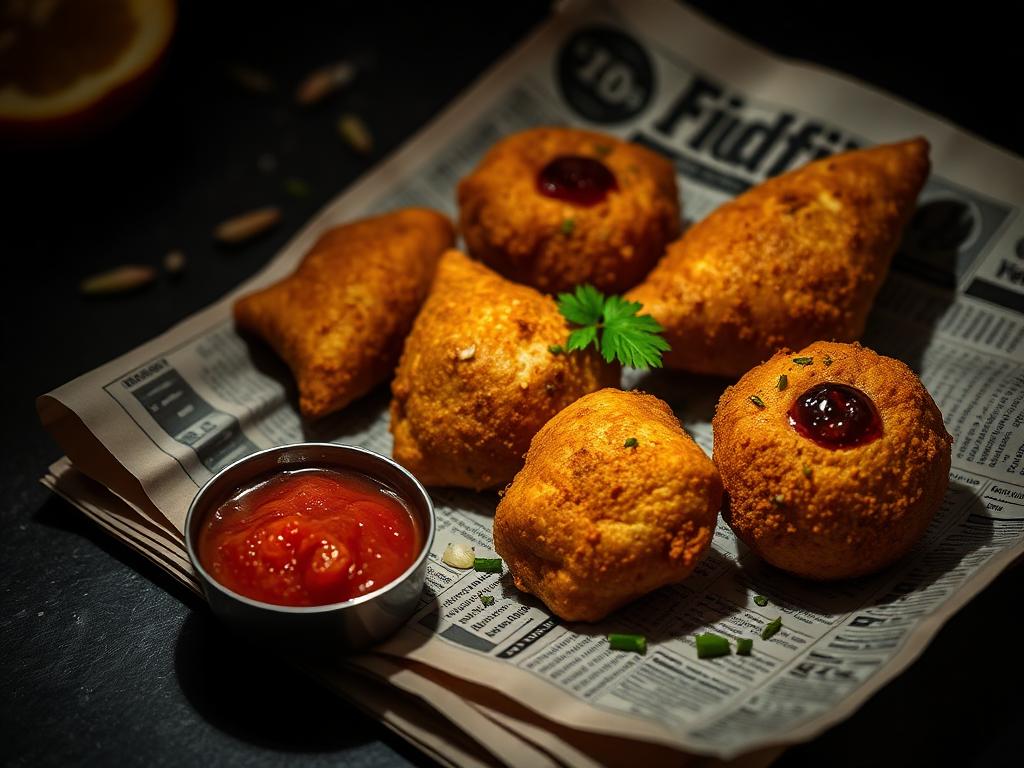
About this dish
Bobbarlu Vada, also known as Alasanda Vada, is a classic crispy snack from the Telangana region, particularly popular during the monsoon and festivals like Sankranti. Made from black-eyed peas, these fritters are distinct from the urad dal vadas of the south due to their coarse texture and nutty flavor. They are a staple 'tea-time' snack in rural households, valued for their high protein content and addictive crunch.
Ingredients
The Batter
- 250g Black-eyed peas (Bobbarlu), soaked for 4-6 hours
- 3-4 Green chilies, roughly chopped
- 1 inch Ginger, peeled and sliced
- 1/2 tsp Cumin seeds
- 1 tsp Salt
Mix-ins
- 1 medium Onion, very finely chopped
- 2 tbsp Fresh coriander, finely chopped
- 1 sprig Curry leaves, finely chopped
- 1/4 tsp Asafoetida (Hing)
- Oil for deep frying
Method
- 1
Soak the peas
Rinse the black-eyed peas multiple times until the water runs clear. Soak them in plenty of water for at least 4 to 6 hours. Do not over-soak beyond 8 hours as the peas will absorb too much water, making the vadas oily.
- 2
Drain and dry
Drain the water completely using a colander. Spread the soaked peas on a clean kitchen towel for 10 minutes to remove surface moisture. This is the secret to a crispy, non-greasy vada.
- 3
Grind coarsely
Place the peas, green chilies, ginger, and cumin in a blender or stone grinder. Pulse in short bursts without adding any water. The goal is a coarse, thick paste where some pea fragments are still visible.
- 4
Aerate the batter
Transfer the ground paste to a bowl. Using your hand, whisk the batter in a circular motion for 2 minutes to incorporate air. This ensures the vadas are light on the inside and not dense.
- 5
Add aromatics
Fold in the finely chopped onions, coriander, curry leaves, salt, and hing. The onions should be chopped very fine so they don't poke out and burn during frying. Mix well to distribute the spices.
- 6
Heat the oil
Heat oil in a deep kadai (wok) over medium heat. To test, drop a tiny bit of batter; if it rises to the surface immediately with bubbles, the oil is ready. It should be around 170°C to 180°C.
- 7
Shape the vadas
Moisten your palms with water. Take a small lemon-sized ball of batter, flatten it on your palm or a damp plastic sheet/banana leaf. Keep the thickness to about 1 cm for maximum crunch.
- 8
Deep fry
Gently slide the flattened discs into the hot oil. Do not overcrowd the pan; fry 4-5 at a time depending on the size of your vessel. Let them fry undisturbed for the first minute to set the shape.
- 9
Golden finish
Flip the vadas and fry on medium heat for 4-6 minutes, turning occasionally. They should turn a deep golden-brown and the bubbling of the oil should subside. Drain on paper towels to remove excess oil.
Notes & variations
- If the batter becomes too soft, add 1-2 tbsp of rice flour to bind it.
- Ensure the peas are drained very well; excess water is the main cause of soggy vadas.
- You can add finely chopped dill leaves (shepu) for an earthy flavor variation.
- Serve immediately; these lose their crunch if kept in a closed container while hot.
Serve with
Serve hot with spicy ginger chutney or a tangy coconut chutney.
Cook's note
Grind the batter in small batches to avoid heating up the mixer, which can make the batter watery.