Dry Bombil Pickle
A pungent, spicy preserved pickle made with dried Bombay Duck.
About this dish
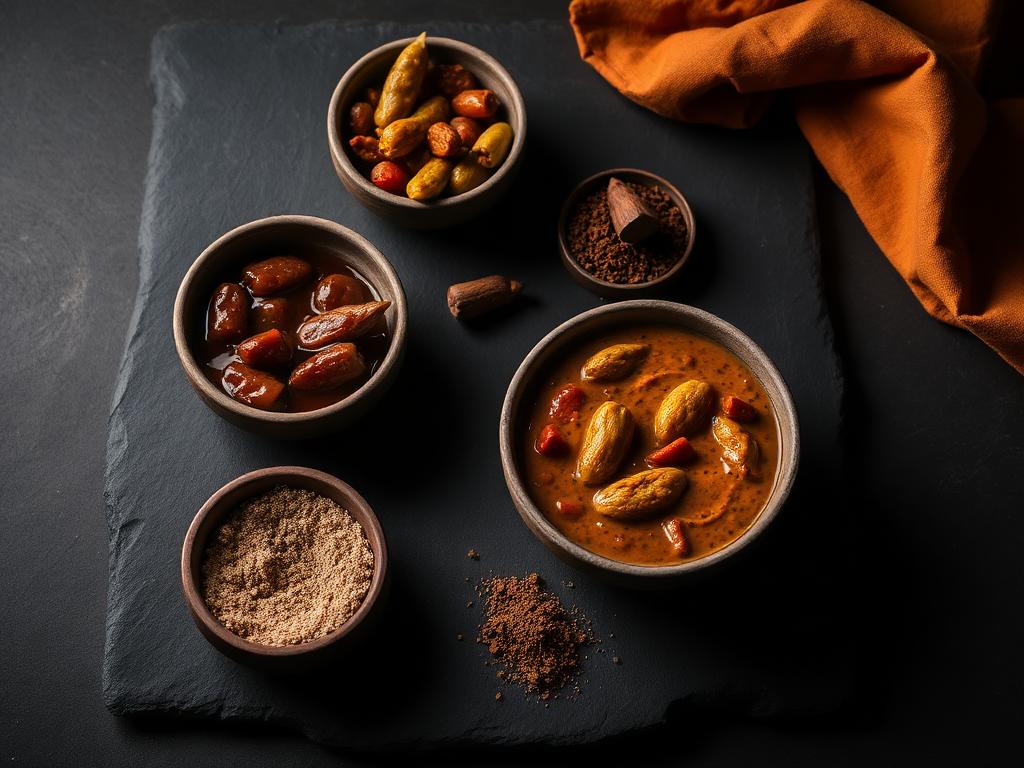
Originating from the coastal Koli fishing communities of Mumbai, this pickle is a masterclass in preservation. Dry Bombil (Bombay Duck) has a powerful aroma that transforms into a deep umami when cured with vinegar and traditional spices. It is typically prepared before the monsoon season when fresh fish is scarce, acting as a fiery, pungent condiment for simple rice and dal meals.
Ingredients
The Fish
- 100g (about 12-15 pieces) Large dried Bombay Duck, cleaned and heads removed
- 1/2 tsp (2.5g) Turmeric powder
- 1/2 cup (120ml) Mustard oil for frying
Pickling Masala
- 20 cloves Garlic, peeled and sliced thin
- 2 inches (20g) Ginger, julienned
- 1/4 cup (60ml) Malt vinegar or Sugarcane vinegar
- 3 tbsp (45g) Kashmiri red chili powder
- 1 tsp (5g) Mustard seeds
- 1/2 tsp (2.5g) Fenugreek seeds (Methi)
- 1/4 tsp (1.25g) Asafoetida (Hing)
- 1 tbsp (15g) Salt or to taste
Method
- 1
Clean and cut the fish
Snip off the fins and tails of the dried Bombil using kitchen shears. Cut each fish into 1-inch pieces and wash them quickly in cold water to remove salt and grit. Pat them extremely dry with a kitchen towel; any moisture left will cause the pickle to spoil prematurely.
- 2
Initial sauté
Heat 2 tablespoons of mustard oil in a heavy-bottomed pan until it reaches its smoking point. Lower the heat and fry the dried fish pieces for 5-7 minutes until they turn crisp and golden brown. Remove the fish and set aside on a plate, leaving the flavored oil in the pan.
- 3
Prepare the spice paste
In a small bowl, mix the Kashmiri red chili powder and turmeric with 2 tablespoons of the vinegar. Stir until it forms a smooth, thick paste. This prevents the dry spices from burning when they hit the hot oil later in the process.
- 4
Temper the aromatics
Add the remaining mustard oil to the pan and heat over medium flame. Add mustard seeds and fenugreek seeds; once the mustard seeds pop, add the hing. Immediately add the sliced garlic and julienned ginger, sautéing for 3-4 minutes until the garlic turns a pale golden straw color.
- 5
Cook the masala base
Reduce heat to low and add the chili-vinegar paste to the aromatics. Cook for 4-5 minutes, stirring constantly, until the oil starts to separate from the sides of the masala. The color should be a deep, vibrant crimson and the raw smell of the chili must disappear.
- 6
Integrate the fish
Add the fried Bombil pieces back into the pan along with the salt. Toss thoroughly to ensure every piece of fish is coated in the thick spice paste. Maintain low heat for 2 minutes to allow the spices to penetrate the tough fibers of the dried fish.
- 7
Vinegar reduction
Pour in the remaining vinegar. Let the mixture simmer on low for another 5 minutes. The vinegar acts as a preservative and provides the necessary tang to balance the heat; look for the oil to rise to the top of the mixture.
- 8
Cooling and curing
Turn off the heat and let the pickle cool completely in the pan. The fish will continue to absorb the oils as it cools. Once at room temperature, the texture should be thick and the fish pieces should feel firm but slightly yielding.
- 9
Bottling
Transfer to a sterilized glass jar, ensuring a layer of oil covers the top. This oil seal is crucial for shelf life. Let the pickle mature for at least 48 hours before consuming to allow the flavors to mellow and harmonize.
Notes & variations
- Always use a completely dry spoon to scoop the pickle to avoid mold.
- If you prefer a softer texture, soak the dry fish in warm water for 5 minutes before frying.
- The pickle lasts for 3 months at room temperature if stored in a cool, dry place.
- You can add a teaspoon of sugar or jaggery at the end to balance the sharp acidity of the vinegar.
Serve with
Serve as a side with Varun (plain dal) and Steamed Kolam rice.
Cook's note
Do not skip the mustard oil; its pungent flavor is the backbone of an authentic Koli pickle.