Chettinad Kavuni Arisi Puttu
Steamed black rice cake, a nutritious and nutty Chettiar specialty.
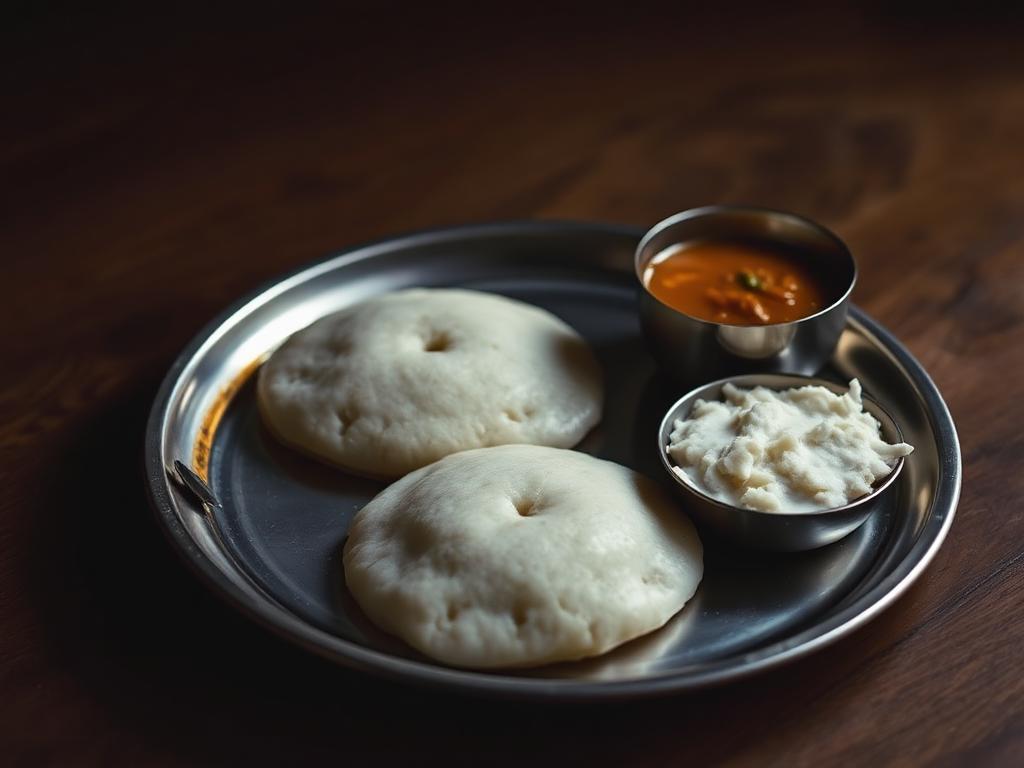
About this dish
Originating from the Chettiar community of Tamil Nadu, Kavuni Arisi (Black Rice) was brought back by traders from Southeast Asia, particularly Burma. Unlike regular white rice puttu, this dish is celebrated for its deep purple hue, nutty flavor, and high antioxidant content. Traditionally served as a breakfast or evening snack, it represents the global culinary influences that define Chettinad heritage.
Ingredients
The Rice Base
- 200g (1 cup) Kavuni Arisi (Black Glutinous Rice)
- 1/2 teaspoon Salt
- 60ml (1/4 cup) Water, for sprinkling
Flavoring and Texture
- 100g (1 cup) Freshly grated coconut
- 100g (1/2 cup) Granulated sugar or Jaggery powder
- 4 Green Cardamom pods, crushed into fine powder
- 1 tablespoon Ghee, melted (optional)
Method
- 1
Soaking and Drying
Wash the black rice thoroughly under cold running water to remove excess starch. Soak the rice in ample water for at least 8 hours or overnight; this is crucial as Kavuni Arisi is a hard grain. Drain the water completely and spread the rice on a clean cotton cloth for 30 minutes until the surface moisture evaporates but the grain remains slightly damp.
- 2
Coarse Grinding
Transfer the damp rice to a dry mixer jar or pulse blender. Pulse in short 5-second bursts until you achieve a coarse, semolina-like consistency (Rava texture). Do not grind into a fine powder, as this will result in a sticky, dense puttu rather than a fluffy one.
- 3
Moistening the Flour
Transfer the ground rice to a large mixing bowl and add salt. Gradually sprinkle water, one tablespoon at a time, while rubbing the flour between your palms. The flour is ready when it holds its shape when pressed in your palm but crumbles easily when touched; it should feel like damp sand.
- 4
Sifting for Aeration
Press the moistened flour through a medium-mesh sieve to break up any large lumps formed during the watering process. This step is the secret to a light, airy puttu that doesn't feel gummy. Ensure you do not press too hard through the sieve.
- 5
Layering the Puttu Kudam
In a puttu maker (steamer tube) or a stainless steel vessel, start with a thin layer of grated coconut at the bottom. Gently spoon in the rice mixture without pressing it down; packing it tightly will prevent the steam from circulating. Add another layer of coconut in the middle and finish with a final layer of coconut at the top.
- 6
Steaming Process
Place the puttu tube over a steamer pot filled with boiling water. Steam on medium-high heat for 8 to 12 minutes. You will know it is done when steady steam emerges from the top holes and a distinct nutty, sweet aroma fills the kitchen.
- 7
Resting and Unmolding
Remove the steamer from the heat and let it rest for 2 minutes to allow the structure to set. Use a wooden dowel or the back of a spoon to gently push the puttu out of the tube onto a plate. The layers should stay intact but feel soft to the touch.
- 8
Final Seasoning
While the puttu is still piping hot, sprinkle the sugar or jaggery powder and cardamom powder over it. Drizzle the melted ghee if using. Gently toss with a fork to mix the sweeteners without mashing the steamed grains.
- 9
Checking for Doneness
If the rice feels gritty or hard after steaming, it means it wasn't soaked long enough or needs more water during the moistening phase. You can re-sprinkle water and steam for another 5 minutes if necessary. The final texture should be chewy but tender.
Notes & variations
- Ensure the rice is dried properly before grinding; if too wet, it will turn into a paste.
- You can substitute white sugar with palm jaggery for a deeper, earthy flavor.
- Leftover puttu can be refrigerated for 2 days and re-steamed to regain softness.
- If you don't have a puttu maker, use an Idli steamer by placing the mixture in small bowls.
Serve with
Serve hot with a side of steamed yellow moong dal or extra grated coconut and a banana.
Cook's note
Always use fresh coconut; desiccated coconut lacks the moisture needed to keep the black rice tender during steaming.