Chettinad Urundai Kuzhambu
Spiced lentil dumplings simmered in a tangy tamarind and coconut gravy.
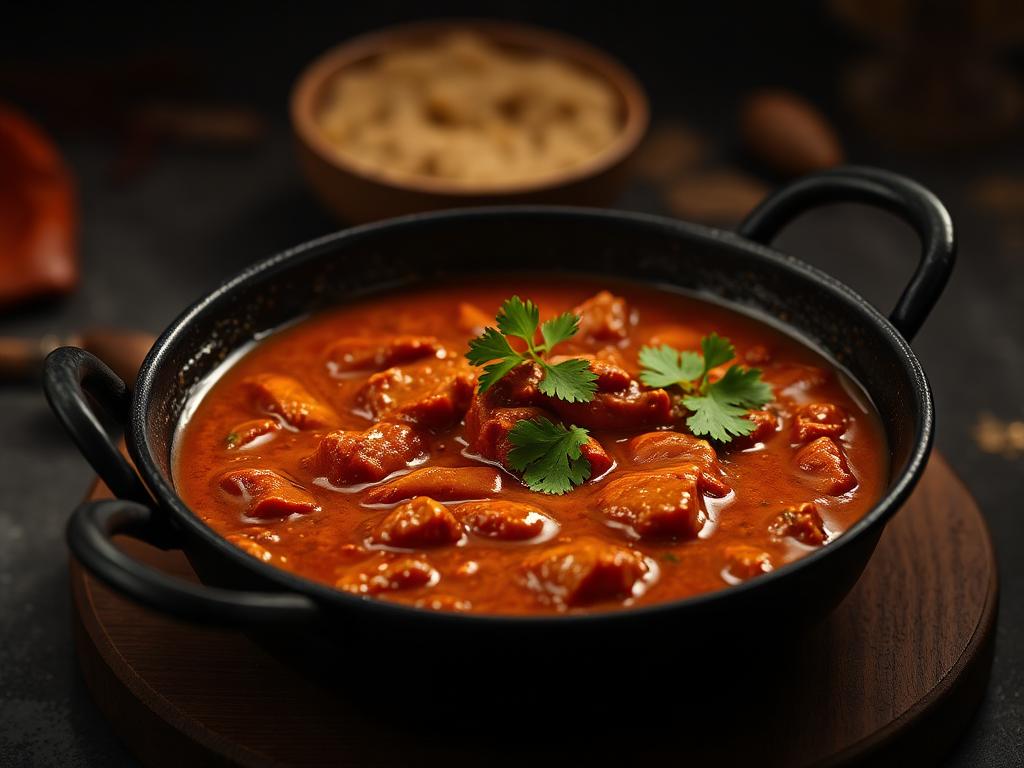
About this dish
Originating from the Karaikudi region of Tamil Nadu, this dish is a masterpiece of the Nattukotai Chettiars' culinary finesse. It features steamed or fried lentil dumplings (urundai) that act as meat substitutes, absorbing the punchy flavors of a tamarind-based sauce. Traditionally served at grand lunch feasts, its distinctiveness lies in the complex spice blend and the delicate texture of the dumplings which must not break while simmering.
Ingredients
For the Urundai (Dumplings)
- 100g (1/2 cup) Chana Dal, soaked for 2 hours
- 50g (1/4 cup) Toor Dal, soaked for 2 hours
- 3-4 Dried red chillies
- 1 tsp Fennel seeds (Sombu)
- 1/2 cup Small onions (Shallots), finely chopped
- 2 tbsp Freshly grated coconut
- 1 sprig Curry leaves, finely chopped
- 1/2 tsp Salt
For the Kuzhambu (Gravy)
- 1 large lemon-sized Tamarind ball, soaked in 2 cups warm water
- 3 tbsp Gingelly oil (Sesame oil)
- 1/2 tsp Mustard seeds
- 1/2 tsp Fenugreek seeds (Vendhayam)
- 10-12 Small onions, peeled and halved
- 2 medium Tomatoes, chopped
- 2 tbsp Chettinad Kulambu Milagai Thool (or 1 tbsp chili powder + 1.5 tbsp coriander powder)
- 1/4 tsp Turmeric powder
- 1/2 cup Thin coconut milk
Method
- 1
Prepare the lentil paste
Drain the soaked dals completely to ensure no excess moisture. Grind them with dried chillies and fennel seeds into a coarse, thick paste without adding any water. The texture should be slightly grainy, like sand, which helps the dumplings hold their shape and absorb the gravy later.
- 2
Form and steam the dumplings
In a bowl, mix the ground paste with chopped shallots, coconut, curry leaves, and salt. Shape into small lime-sized balls (about 10-12 units). Steam these in an idli cooker or steamer over medium-high heat for 10 minutes until they firm up and turn slightly matte; this prevents them from disintegrating in the tamarind sauce.
- 3
Temper the spices
Heat gingelly oil in a heavy-bottomed clay pot or kadai over medium flame. Add mustard seeds and let them crackle, followed by fenugreek seeds; fry until the fenugreek turns a deep reddish-brown but does not burn. The oil should be hot enough that the seeds dance instantly upon contact.
- 4
Sauté the aromatics
Add the shallots and sauté for 3-4 minutes until they turn translucent and slightly golden. Add the tomatoes and a pinch of salt, cooking until the tomatoes soften into a mush and the oil starts to separate from the edges of the pan.
- 5
Build the gravy base
Add the Kulambu Milagai Thool and turmeric powder, stirring quickly for 30 seconds to wake up the spices. Pour in the extracted tamarind water and add salt. Bring to a vigorous boil, then reduce heat and simmer for 8-10 minutes until the raw smell of tamarind vanishes and the liquid reduces slightly.
- 6
Integrate the dumplings
Gently slide the steamed lentil balls into the simmering gravy one by one. Do not stir immediately, as they are fragile when first hit by the hot liquid. Let them simmer undisturbed for 5 minutes on low-medium heat to absorb the tangy juices.
- 7
Finish with coconut milk
Pour in the thin coconut milk and gently swirl the pot rather than using a spoon. Let it come to a very gentle simmer for just 2 minutes; boiling coconut milk too hard can cause it to curdle. The gravy should look glossy and the dumplings should feel slightly heavier.
- 8
Resting and garnish
Turn off the heat and garnish with fresh curry leaves. Cover the pot and let it rest for at least 15 minutes before serving. This resting period is crucial as the dumplings continue to soak up the gravy, thickening the sauce to a luscious consistency.
Notes & variations
- If the dumplings are too soft, add a tablespoon of rice flour to the batter before steaming.
- Using gingelly (sesame) oil is non-negotiable for the authentic Chettinad flavor profile.
- Leftovers taste better the next day as the lentils fully marinate in the tamarind spice.
- To make it richer, grind 5 cashews with the coconut for the final addition.
Serve with
Steamed Ponni rice, a dollop of ghee, and an Appalam (papadum).
Cook's note
To check if the dumplings are cooked, pierce one with a toothpick; it should come out clean without any raw lentil paste sticking to it.