Dilli Panchmel Dal
A protein-rich mix of five lentils tempered with hing and desi ghee.
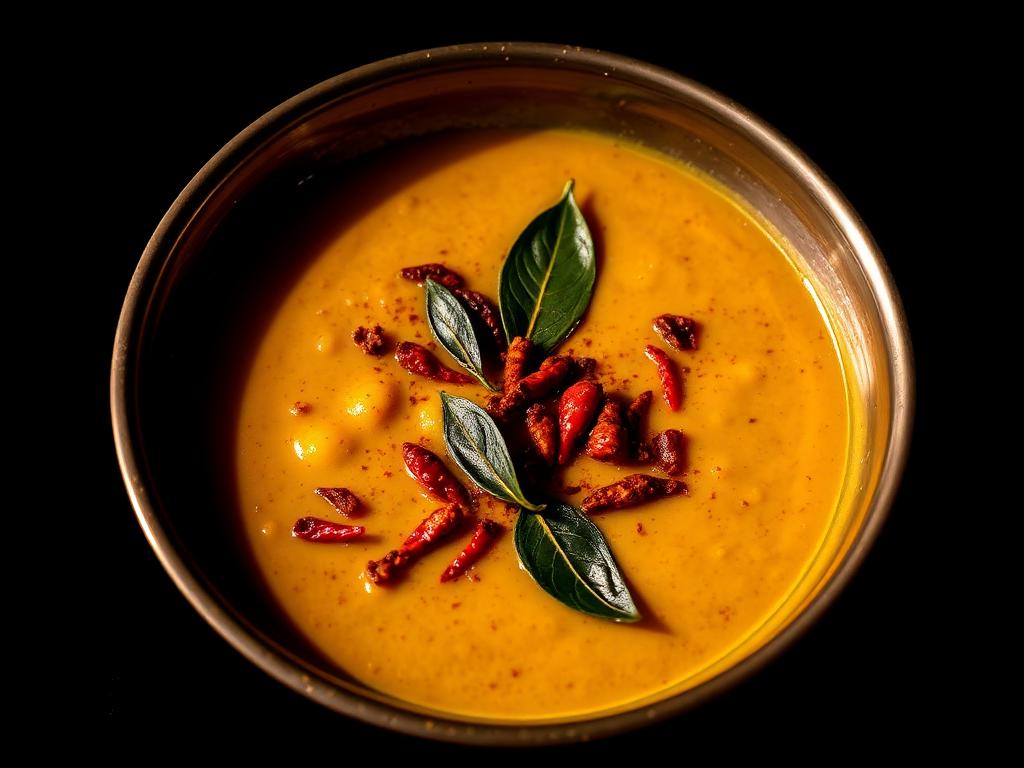
About this dish
Dal Panchmel, also known as Panchratna Dal, is a quintessential comfort food in Delhi's Punjabi households. It signifies the harmonious blend of five different lentils, each providing a unique texture and nutritional profile. While its origins are Rajasthani, the Delhi version is distinguished by a heavy 'Tadka' (tempering) of desi ghee, hing, and a smoky finish, often served at community langars and family gatherings.
Ingredients
The Five Lentils (Dal)
- 1/4 cup Split Bengal Gram (Chana Dal)
- 1/4 cup Split Black Gram (Urad Dal chilka)
- 1/4 cup Split Green Gram (Moong Dal chilka)
- 1/4 cup Red Lentils (Masoor Dal)
- 1/4 cup Split Pigeon Peas (Arhar/Tuvar Dal)
Pressure Cooking
- 4 cups Water
- 1/2 tsp Turmeric powder
- 1 tsp Salt
- 1 tsp Ghee
The Tadka (Tempering)
- 3 tbsp Desi Ghee
- 1 tsp Cumin seeds (Jeera)
- 1/4 tsp Asafoetida (Hing), strong
- 2 Medium onions, finely chopped
- 1 tbsp Ginger, julienned
- 2 Green chilies, slit
- 2 Medium tomatoes, finely chopped
- 1 tsp Kashmiri red chili powder
- 1 tsp Kasuri methi, crushed
Method
- 1
Soaking the Lentils
Mix all five dals and wash them under running water 3-4 times until the water runs clear. Soak the mixture in warm water for at least 30-45 minutes. The Chana Dal takes the longest to cook, so soaking ensures all lentils finish at the same time.
- 2
Pressure Cooking
Transfer the soaked dal to a pressure cooker with 4 cups of water, turmeric, salt, and a teaspoon of ghee (to prevent foaming). Cook for 4-5 whistles on medium heat. The dal should be soft and mashable between two fingers but not completely pulverized.
- 3
Tempering Phase 1: Aromatics
In a heavy-bottomed pan, heat the ghee until shimmering. Add cumin seeds and let them sizzle for 10 seconds. Add the hing, followed immediately by the chopped onions. Sauté the onions on medium heat until they turn a deep golden brown.
- 4
Tempering Phase 2: The Masala
Add the ginger juliennes and green chilies, sautéing for a minute until the raw smell of ginger disappears. Stir in the chopped tomatoes and cook until they turn mushy and the ghee starts to separate from the sides of the pan.
- 5
Spicing the Base
Turn the heat to low and add the Kashmiri red chili powder and crushed kasuri methi. Quick-stir for 20 seconds to avoid burning the spices. This creates the vibrant red oil (rogon) that will sit on top of the dal.
- 6
Combining Dal and Tadka
Whisk the cooked dal slightly with a wire whisk or back of a spoon to thicken the consistency. Pour the dal into the pan with the tempered masala. Stir well to combine the lentils with the aromatics.
- 7
Simmering for Depth
Add a little hot water if the dal is too thick. Simmer on low heat for 5-7 minutes. This slow simmering allows the different lentils to marry their flavors together, creating a cohesive, creamy texture.
- 8
Adjusting Seasoning
Taste for salt and add a pinch of garam masala at the very end. The consistency should be thick yet pourable, similar to a hearty stew. If it feels flat, add a squeeze of lemon juice to brighten the flavors.
- 9
The Garnish
Finish with a generous handful of chopped fresh coriander leaves. For an extra touch, you can add a small 'second tadka' of ghee and dried red chilies poured directly over the serving bowl.
Notes & variations
- If you don't have all 5 lentils, ensure you at least have Chana and Urad for the base texture.
- The dal thickens as it cools; reheat with a splash of hot water.
- Use high-quality Hing (Asafoetida) as it is the primary flavor driver.
- For a vegan version, substitute ghee with mustard oil, though the flavor profile will change significantly.
Serve with
Serve with hot Tandoori Rotis or Jeera Rice and a side of mango pickle.
Cook's note
Always add hot water to adjust the consistency of cooked dal; cold water can cause the lentils and water to separate.