Dibba rotte Recipe
A thick Andhra rice-and-urad cake with a deep crust and tender centre.
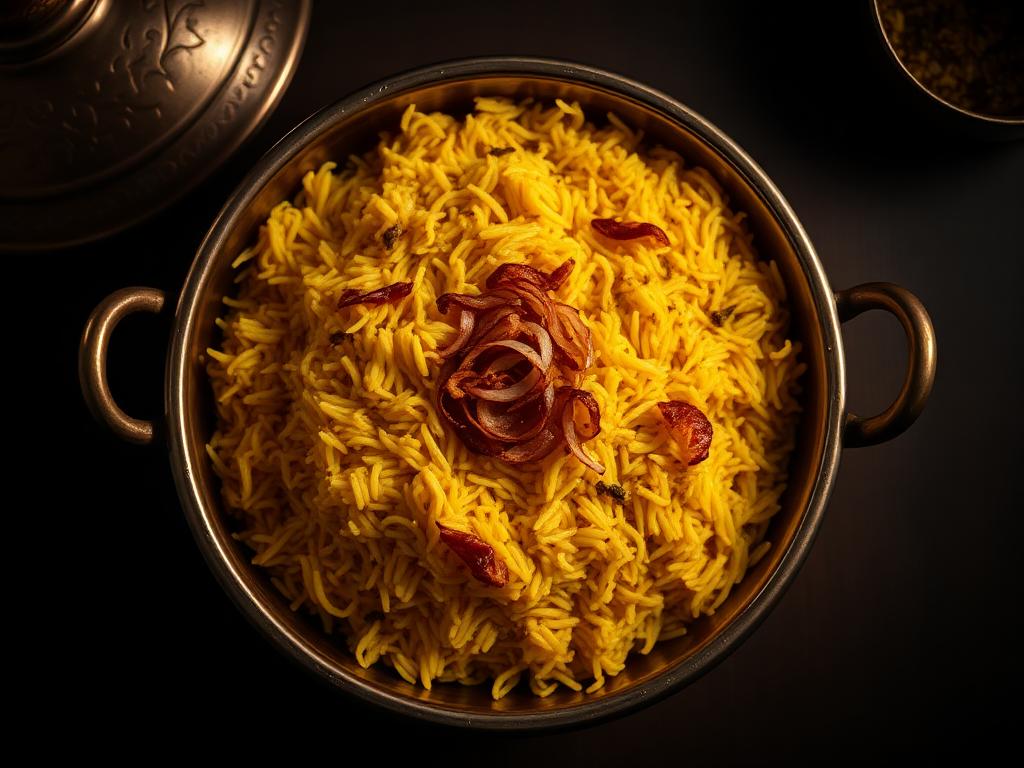
About this dish
Dibba rotte, also called minapa rotti in many households, is a thick pan-cooked preparation of urad dal and rice rava. It belongs to Andhra home cooking and is particularly familiar across coastal districts, including the Godavari belt. Often made for breakfast or an evening meal, it is prized for the contrast between its substantial crust and soft interior.
Ingredients
Batter
- 100 g skinned whole urad dal (½ cup)
- 180 g rice rava, also called idli rava (1 cup)
- 2 g cumin seeds (1 teaspoon)
- 6 g fine salt (1 teaspoon)
- 180 ml cold water for grinding and adjustment (¾ cup)
- 750 ml water for soaking urad dal (about 3 cups), discarded
- 750 ml water for soaking rice rava (about 3 cups), squeezed out
Pan cooking
- 60 ml groundnut oil (¼ cup)
Method
- 1
Soak the urad dal
Rinse the urad dal until the water is mostly clear, then cover with its soaking water. Leave for 4 hours at room temperature, or refrigerate during soaking in very hot weather. The grains should become swollen and soft enough to crush with firm finger pressure.
- 2
Soak the rice rava
During the final 45 minutes of the dal soaking time, rinse the rice rava in a fine sieve. Cover with its measured soaking water and leave without heat until the grains soften. Pinched between your fingers, the rava should break down rather than feel sharply gritty.
- 3
Grind a fluffy urad paste
Drain the urad dal and grind with 120 ml of the cold grinding water, adding it in small portions. Grind for 3–5 minutes in short bursts, scraping down the jar and avoiding a hot motor. The paste should be smooth, light and fluffy, not thin or pourable.
- 4
Mix the thick batter
Squeeze the soaked rice rava firmly in small handfuls and fold it into the urad paste. Add the cumin and salt, then beat by hand or with a spoon for 2 minutes without heat. Use up to the remaining 60 ml water only if needed to obtain a thick, scoopable batter that slowly settles.
- 5
Rest and heat the pan
Rest the batter for 10 minutes while heating a heavy, lidded 16–18 cm kadai or deep skillet over medium-low heat. Add 30 ml oil and swirl it over the base and lower sides for about 1 minute. The oil should shimmer gently, not smoke.
- 6
Begin the first rotte
Spoon half the batter into the hot pan and gently level it to an even thickness of about 2–3 cm. Cover and cook over low heat for 10–12 minutes without disturbing the base. The sides should begin to firm and a pale golden crust should appear at the edge.
- 7
Set the centre
Continue cooking covered over low heat for another 3–5 minutes. Lift the lid carefully so condensed water does not drip onto the rotte. The top should look mostly set, and a thin spatula should slide underneath without tearing the crust.
- 8
Turn and brown
Loosen the sides and carefully invert the rotte onto a plate, keeping clear of any hot oil. Slide it back into the pan with the uncooked side downward and cook uncovered over low heat for 6–8 minutes. Both faces should be deep golden, and a skewer inserted in the centre should emerge without wet batter.
- 9
Repeat and portion
Transfer the first rotte to a rack or board and repeat with the remaining 30 ml oil and batter. Maintain low heat and allow roughly 20–25 minutes for the second rotte, using the same crust and skewer checks. Rest each cooked rotte for 3 minutes before cutting into wedges so the soft centre settles.
Notes & variations
- Cup measures use a 240 ml cup; rice rava is coarsely ground rice, not wheat semolina.
- This is a fresh-batter household version; some families use lightly fermented batter for a different flavour.
- A heavy pan is essential because a thin pan can scorch the crust before the centre cooks.
- The generous oil is characteristic of the crust; reducing it substantially changes the result.
Serve with
Allam pachadi, coconut chutney or avakaya; some households also enjoy it with jaggery syrup.
Cook's note
Make two modest-sized rotte rather than one very thick cake for easier turning and more reliable cooking.