Dosakaya Pachadi
Crunchy yellow cucumber chutney with a mustard kick.
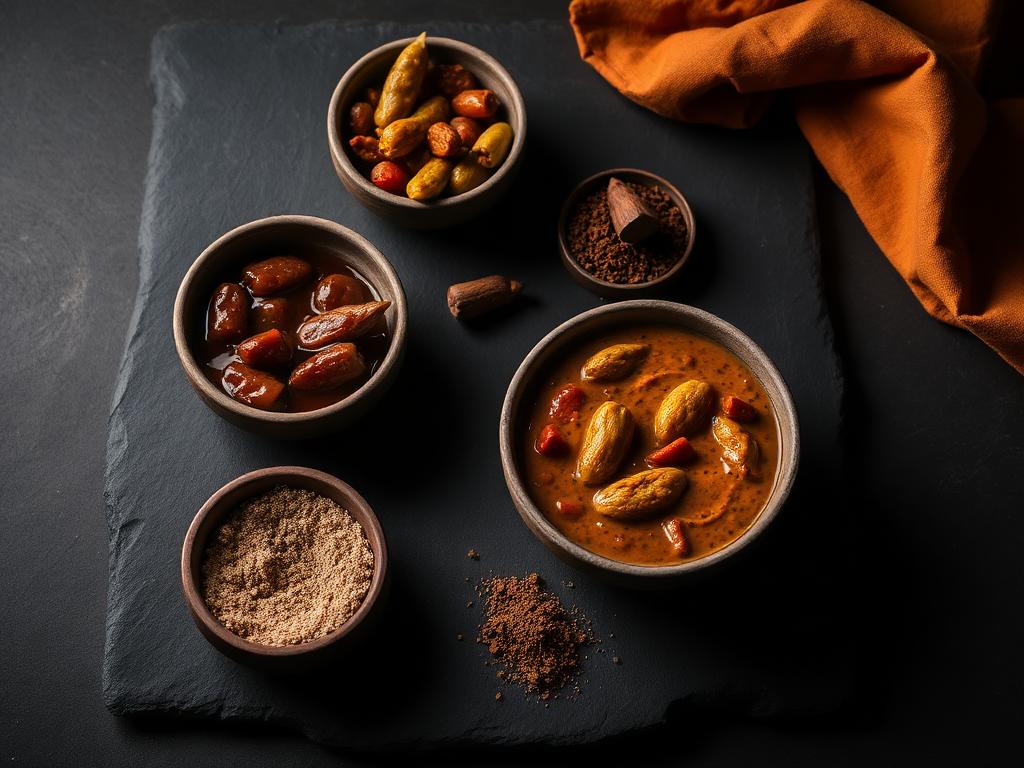
About this dish
Dosakaya Pachadi is a quintessential Andhra-style chutney frequently found in Hyderabadi households, celebrated for its refreshing crunch and pungent mustard kick. Unlike cooked chutneys, the yellow cucumber (Dosakaya) is kept raw or semi-raw to maintain its texture against the heat of the tempering. It is a staple during summer months when the cooling properties of cucumber are most desired.
Ingredients
The Base
- 500g Dosakaya (Yellow Cucumber), peeled, deseeded, and finely chopped
- 1/2 tsp Salt
- 1/4 tsp Turmeric powder
- 1 tbsp Tamarind paste
The Spice Paste
- 2 tbsp Peanut oil
- 6-8 Fresh Green chilies, slit
- 1 tsp Cumin seeds
- 1/4 tsp Fenugreek seeds
- 1 tbsp Mustard seeds
- 2 tbsp Roasted peanuts
The Tempering (Tadka)
- 1 tbsp Oil
- 1 tsp Mustard seeds
- 2 Dry red chilies
- 1 sprig Curry leaves
- 1/4 tsp Asafoetida (Hing)
Method
- 1
Prepping the Cucumber
Wash the Dosakaya and peel the tough yellow skin. Taste a small piece to ensure it isn't bitter (bitter ones must be discarded). Deseed the cucumber and chop into tiny 0.5cm cubes. Toss these cubes with a pinch of salt and turmeric, then set aside in a bowl.
- 2
Sautéing the Aromatics
Heat 2 tbsp oil in a small pan over medium heat. Add the cumin seeds, fenugreek seeds, and green chilies. Sauté for 2-3 minutes until the chilies develop white blisters on their skin. The fenugreek should turn aromatic but not dark brown, or it will become bitter.
- 3
Adding Mustard and Peanuts
Add the mustard seeds and roasted peanuts to the pan. Fry for just 30 seconds until the mustard seeds begin to pop. Remove from heat immediately to prevent the oils in the mustard from scorching, which would ruin the bright flavor of the pachadi.
- 4
Grinding the Masala
Once the sautéed spices have cooled slightly, transfer them to a blender or mortar and pestle. Add the tamarind paste and a splash of water. Grind into a coarse, thick paste. Avoid making it a smooth puree; a bit of texture from the peanuts and mustard is desirable.
- 5
Combining the Elements
Add the ground spice paste to the bowl of chopped cucumber. Using a spoon, fold the mixture together until every cube of cucumber is coated in the spicy, tangy paste. The cucumber will release a little juice, creating a semi-thick consistency.
- 6
Preparing the Tadka
Heat 1 tbsp oil in a small tempering pan. Add mustard seeds and let them splutter. Throw in the dry red chilies, curry leaves, and asafoetida. The curry leaves should become crisp and the red chilies should turn a shade darker, releasing their smoky aroma.
- 7
The Final Tempering
Pour the hot tempering directly over the cucumber mixture. You should hear a distinct 'sizzle' as the hot oil hits the cold vegetables. This process seals the flavors and adds a final layer of aromatic fat to the dish.
- 8
Adjusting Seasoning
Taste the pachadi for salt and tanginess. If it is too spicy, add a teaspoon of jaggery or sugar to balance the heat. The flavor of the mustard will intensify as it sits, so adjust according to your preference for pungency.
- 9
Resting and Serving
Let the chutney rest for at least 10 minutes before serving. This allows the cucumber to absorb the salt and tamarind. The final texture should be a mix of the soft spice paste and the distinctive 'crunch' of the raw Dosakaya.
Notes & variations
- If Dosakaya is unavailable, you can use English cucumber, but add extra lemon juice to mimic the tang.
- Always taste the seeds; if they are tender, you can leave some in for extra texture.
- This pachadi stays fresh in the refrigerator for up to 3 days in an airtight container.
- For a creamier version, you can add 2 tablespoons of fresh grated coconut to the spice paste.
Serve with
Serve with steaming hot rice and a dollop of ghee, or as a side to Mudda Pappu (plain dal).
Cook's note
Crush the mustard seeds coarsely before adding to the blender to release the maximum 'ava' (mustard heat).