Eeradye (Turmeric Leaf Steamed Cakes)
Eeradye (also known as Patholi in Konkani) is a steamed sweet delicacy from Coastal Karnataka, unique for its use of fresh turmeric leaves (Arishina Yele) as a wrapper.
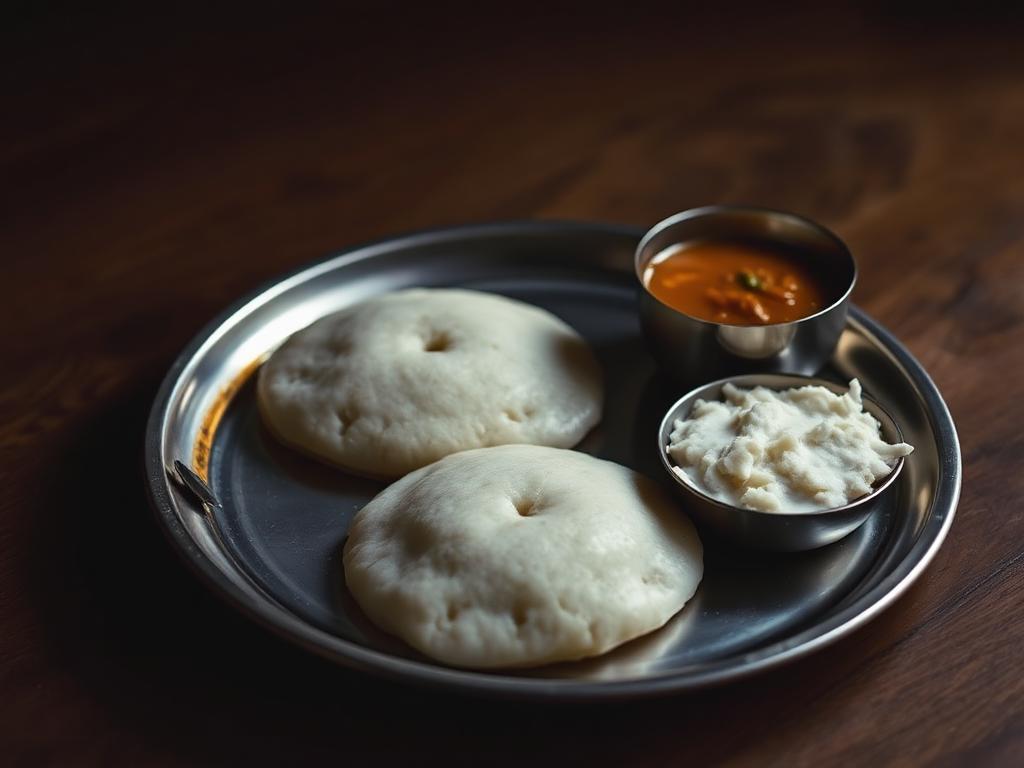
About this dish
Eeradye (also known as Patholi in Konkani) is a steamed sweet delicacy from Coastal Karnataka, unique for its use of fresh turmeric leaves (Arishina Yele) as a wrapper. The leaves impart an unmistakable, earthy, and pungent aroma to the rice dumplings that cannot be replicated. It is traditionally prepared during the festivals of Gowri-Ganesha or Nagapanchami when turmeric leaves are in season.
Ingredients
The Rice Paste
- 1 cup (200g) White raw rice (Sona Masuri), soaked for 3 hours
- 1/2 cup (50g) Fresh grated coconut
- 1/4 tsp Salt
- Water for grinding (minimal)
The Filling (Churnu)
- 1 cup (100g) Fresh grated coconut
- 3/4 cup (150g) Jaggery, powdered
- 1/2 tsp Cardamom powder
- 1 tsp Ghee
The Wrapper
- 8-10 Fresh turmeric leaves, washed and dried
Method
- 1
Grind the batter
Drain the soaked rice completely. Grind it with 1/2 cup grated coconut and salt, adding water one tablespoon at a time. The objective is a thick, smooth, and spreadable paste, similar to the consistency of toothpaste. If it's too runny, the cakes won't hold their shape.
- 2
Prepare the filling
In a pan, combine 1 cup coconut and jaggery. Heat over medium-low, stirring constantly. The jaggery will melt and coat the coconut. Cook for 3-5 minutes until the moisture evaporates and the mixture thickens. Stir in cardamom powder and ghee, then set aside to cool.
- 3
Prepare the leaves
Take the turmeric leaves and gently wipe them with a damp cloth. If the central rib of the leaf is too thick and prevents it from folding, lightly bruise the rib with the back of a knife or a rolling pin without tearing the leaf.
- 4
Spread the batter
Place a turmeric leaf on a flat surface, glossy side up. Take a small ball of rice paste and spread it thinly and evenly across the leaf, leaving a 1/2 inch margin at the edges to prevent leakage during steaming.
- 5
Add the stuffing
Place 2 tablespoons of the coconut-jaggery filling in a vertical line along the center of the spread rice paste. Ensure the filling is evenly distributed so every bite has a balance of rice and sweet.
- 6
Fold the leaf
Fold the leaf vertically in half, so the rice paste edges meet and seal the filling inside. Press the edges gently to secure the 'envelope.' If the leaves are very long, you can fold them into thirds to fit your steamer.
- 7
Steam the cakes
Arrange the folded leaves in a steamer basket (Pedavan/Idli cooker). Steam on high heat for 15-20 minutes. You will know they are done when the bright green turmeric leaves turn an olive-brown color and the kitchen is filled with a strong, spicy fragrance.
- 8
Cooling
Remove the leaves from the steamer and let them sit for 5 minutes. This cooling period allows the rice cake to firm up and pull away slightly from the leaf, making it easier to peel.
- 9
Peeling and Serving
Carefully peel away the leaf just before eating. The rice cake should have the distinct veins of the turmeric leaf imprinted on it. Serve warm for the best texture.
Notes & variations
- If turmeric leaves are unavailable, banana leaves can be used, but you will lose the signature aroma.
- Ensure the rice batter is ground very fine; any grit will make the Eeradye feel sandy.
- The filling can be made ahead and stored in the fridge for up to 3 days.
- For a richer flavor, you can add finely chopped cashews or roasted sesame seeds to the filling.
Serve with
A dollop of fresh ghee on top while the cake is steaming hot.
Cook's note
Do not overcook the jaggery-coconut mixture; if it becomes too hard (like candy), it will be difficult to bite into once steamed.