Gushtaba Recipe
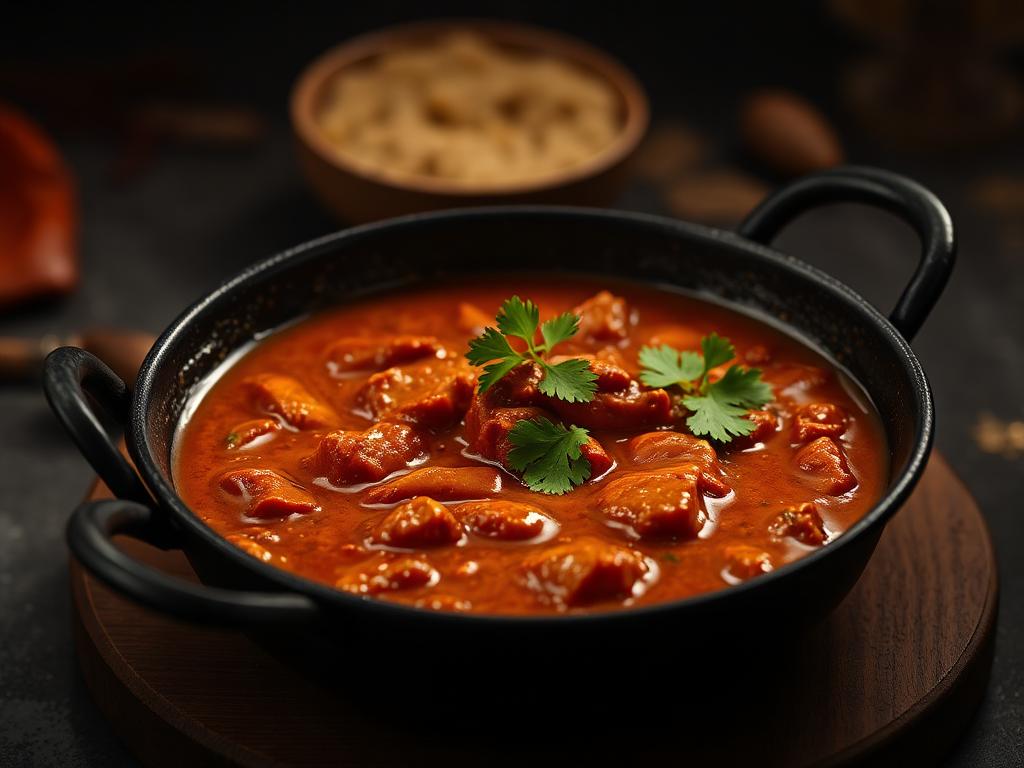
Large, delicately spiced Wazwan meatballs in a silky yogurt gravy.
About this dish
Gushtaba is a prestigious dish of the Kashmiri Muslim Wazwan, traditionally served toward the end of the savoury courses. Its large, finely pounded meatballs demand the skill of an experienced waza. The pale yogurt gravy, often called yakhni, is fragrant rather than fiery. At weddings, its arrival commonly signals that the elaborate meat service is drawing to a close.
Ingredients
Meatball mixture
- 700 g boneless lamb leg, weighed after removing sinew and silverskin
- 150 g raw lamb fat, finely chopped (about 1 cup)
- 8 g fine salt (about 1 1/3 tsp)
- 1 g ground green cardamom seeds (1/2 tsp)
- 60 ml ice-cold water (1/4 cup)
Poaching liquid
- 1.5 litres water (6 1/4 cups)
- 4 g fine salt (about 2/3 tsp)
- 1 g black cardamom (1 pod)
- 2 g cinnamon stick (one 5 cm piece)
Yogurt gravy
- 600 g plain full-fat yogurt, at room temperature (about 2 1/2 cups)
- 30 g ghee (about 2 tbsp plus 1 tsp)
- 100 g onion, thinly sliced (about 1 cup)
- 10 g garlic, crushed to a paste (2 tsp)
- 6 g ground fennel (1 tbsp)
- 2 g ground dry ginger (1 tsp)
- 1 g green cardamom (6 pods), lightly cracked
- 1 g dried mint, crumbled (1 tbsp)
- 1 g cumin seeds (1/2 tsp)
Method
- 1
Prepare the meat and fat
Cut the trimmed lamb into small cubes and chill it with the chopped fat for 15–20 minutes. Keep everything away from heat and remove every visible strip of silverskin. The pieces should feel very cold and firm before processing.
- 2
Work into a fine paste
Process the lamb, fat, salt and ground cardamom in small batches for 3–5 minutes of total pulsing. Add the ice-cold water a little at a time, stopping frequently to scrape the bowl and prevent warming. The paste is ready when it looks uniform and clings firmly to a spoon rather than breaking into mince.
- 3
Shape large meatballs
Knead the cold paste in a bowl for 3–4 minutes until elastic, then divide it into 8 equal portions. Roll between damp palms for another 5 minutes to make large balls with sealed, smooth surfaces. Keep them refrigerated while heating the poaching water, salt, black cardamom and cinnamon to a gentle simmer.
- 4
Poach without agitation
Slide the meatballs into the liquid and cook over low heat for 25–30 minutes. Keep the water just trembling, turning the balls gently if they are not fully submerged. Check that their centres reach at least 71°C, then lift them out and reserve 600 ml of strained poaching liquid.
- 5
Prepare the onion seasoning
Heat 20 g of the ghee in a wide, heavy pan over medium heat and cook the onion for 10–12 minutes. Stir until golden rather than dark brown, then remove it and blend with 60 ml of the reserved poaching liquid. Lower the heat, add the garlic to the remaining fat, and stir for 45 seconds until its raw smell softens.
- 6
Smooth and temper the yogurt
Off the heat, whisk the yogurt with the fennel and dry ginger for 2 minutes until entirely smooth. Gradually whisk in the remaining 540 ml warm, not boiling, reserved poaching liquid. Add this mixture to the garlic pan with the onion paste and cracked green cardamom.
- 7
Bring the gravy together
Set the pan over medium-low heat and stir continuously for 10–12 minutes, scraping across the entire base. Let the yogurt reach a very gentle simmer without a rolling boil. The gravy should become glossy and pourable, with no large curds or scorched aroma.
- 8
Warm the gushtaba in the gravy
Add the cooked meatballs and simmer over low heat for 12–15 minutes. Spoon the yogurt gravy over them and move them carefully so their smooth surfaces remain intact. The sauce should lightly coat a spoon while staying loose enough to flow around rice.
- 9
Finish with mint and cumin
Heat the remaining 10 g ghee in a small pan over medium-low heat for 1 minute and add the cumin. When it sizzles after about 30 seconds, turn off the heat and stir in the dried mint for 10 seconds. Pour over the gushtaba and rest the covered dish off the heat for 5 minutes before serving.
Notes & variations
- Cup measures use a 240 ml cup; meat and fat should be weighed rather than measured by volume.
- This home method uses chilled processing in place of the traditional waza's prolonged pounding.
- Full-fat, moderately tangy yogurt is preferable to very sour yogurt or low-fat varieties, which split more readily.
- Gushtaba seasoning varies between wazas; this version uses restrained onion and garlic without chilli or tomato.
Serve with
Plain steamed rice, traditionally as a late savoury course in a Wazwan meal.
Cook's note
Use a wide pan so the large meatballs sit in one layer and can finish cooking without being repeatedly turned.