Kodava Thaliya Puttu
Steam-cooked rice cakes from the Coorg highlands.
About this dish
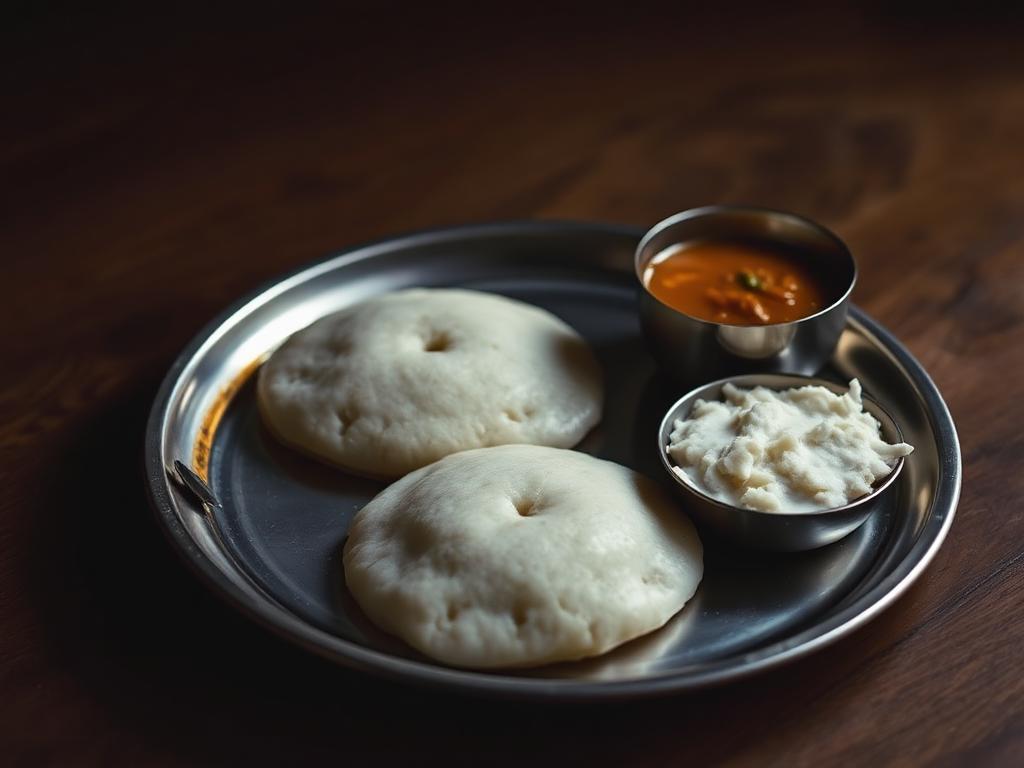
Thaliya Puttu is a quintessential breakfast staple of the Kodava (Coorg) community, traditionally made by steaming fermented rice batter in flat plates (thaliyas). Unlike the fluffy idli, these are thin, dense yet soft, and have a unique fragrance from the inclusion of cooked rice in the batter. It is a reflection of the highland culture where rice is the primary crop and steaming is the preferred health-conscious cooking method.
Ingredients
Batter Base
- 500g (2.5 cups) Raw rice (Sona Masuri or Idli rice)
- 1 cup Cooked rice (preferably the same variety)
- 1/2 tsp Active dry yeast (optional, for faster fermentation)
- 1 tsp Salt
- 1 tsp Sugar
- Water as needed for grinding
Greasing
- 2 tbsp Coconut oil
Method
- 1
Soak the rice
Wash the raw rice 3-4 times until the water runs clear. Soak it in ample water for at least 5-6 hours. This softens the grain for a smoother grind.
- 2
Grind the batter
Drain the soaked rice and add it to a heavy-duty grinder along with the cooked rice. Add water sparingly, just enough to facilitate movement. Grind until the batter is completely smooth and reaches a pouring consistency, similar to pancake batter.
- 3
Activate the yeast
If using yeast, dissolve the sugar and yeast in 2 tablespoons of warm water. Let it sit for 5-10 minutes until frothy. This is essential in colder climates like Coorg to ensure the batter rises.
- 4
Fermentation
Mix the yeast mixture (or just the salt) into the batter. Cover the vessel with a tight lid and leave it in a warm, dark place for 8-12 hours. The batter should double in volume and have a faint sour aroma.
- 5
Prepare the steamer
Fill a large steamer (Pedra) or idli cooker with 2 inches of water and bring to a boil. The steam must be consistent and strong before placing the plates inside.
- 6
Grease the thaliyas
Take small, flat stainless steel plates (Thaliyas). Apply a thin layer of coconut oil on the surface and sides. This prevents the puttu from sticking and adds a subtle coastal aroma.
- 7
Pour the batter
Stir the fermented batter gently. Pour a thin layer (about 1/4 inch thick) into each plate. Do not overfill, as the puttu needs space to rise slightly.
- 8
Steam the cakes
Stack the plates in the steamer. Steam on high heat for 8-10 minutes. You can check readiness by touching the center; it should be firm and not stick to your finger.
- 9
Cool and demold
Remove the plates from the steamer and let them cool for 2 minutes. Cooling is crucial; if you try to remove them while hot, they will tear. Run a knife around the edges and gently flip the plate to release the Puttu.
Notes & variations
- If you don't have Thaliyas, you can use shallow wide bowls or even an idli stand.
- The cooked rice addition is non-negotiable for the specific soft-yet-firm texture.
- For a traditional touch, use a banana leaf inside the plate before pouring the batter.
- Store leftovers in an airtight container; they stay soft for 24 hours.
Serve with
Serve with Coorgi Kootu Curry or a simple coconut chutney and jaggery syrup.
Cook's note
Adding a tablespoon of coconut milk to the batter before steaming makes the Puttu exceptionally white and silky.