Idichakka Masala
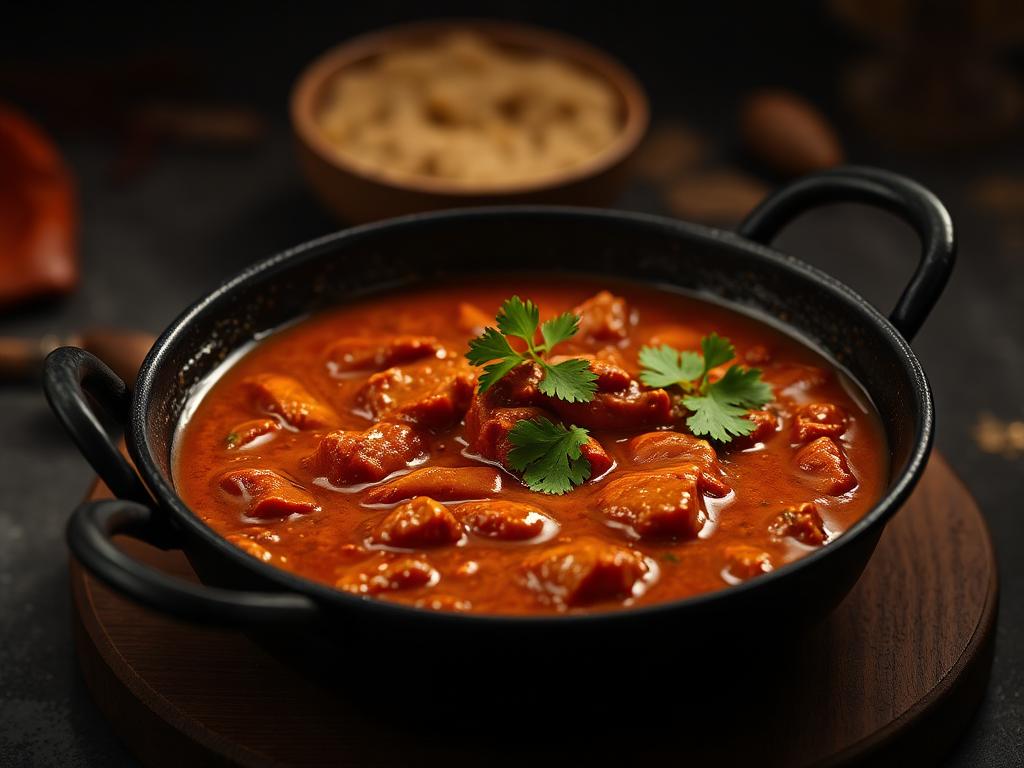
Tender jackfruit shredded and sautéed with Malabar spices.
About this dish
Idichakka, or tender green jackfruit, is a seasonal delicacy harvested before the fruit matures and the seeds harden. In the Malabar and Central Travancore regions, it is prized for its meat-like texture and ability to absorb the deep, smoky flavors of roasted coconut. Traditionally, the fruit is boiled and then 'idichu' (pounded) to create thin, fibrous strands that catch every bit of the spice mix.
Ingredients
For the Jackfruit Prep
- 500g Tender Jackfruit (peeled and cubed)
- 1/2 tsp Turmeric powder
- 1 tsp Salt
- 1 tbsp Coconut oil (for coating hands)
For the Roasted Coconut Paste
- 1 cup Fresh grated coconut
- 4 Dried red chilies
- 1 tbsp Whole coriander seeds
- 1/2 tsp Fennel seeds
- 2 Shallots, sliced
The Tempering
- 2 tbsp Coconut oil
- 1/2 tsp Mustard seeds
- 1 sprig Curry leaves
- 4 Shallots, finely sliced
- 1 tsp Ginger-garlic paste
Method
- 1
Prep the Jackfruit
Grease your hands and knife with coconut oil to prevent the sticky latex from adhering. Peel the tough outer skin and cut the tender jackfruit into 2-inch chunks. Pressure cook with 1 cup of water, turmeric, and salt for 2 whistles on medium heat until tender but not mushy.
- 2
Shred the Fibers
Drain any excess water from the cooked jackfruit. Using a mortar and pestle or a heavy wooden spoon, lightly pound the chunks until they separate into thin, shaggy strands. Do not over-process into a paste; you want a distinct fibrous texture.
- 3
Toast the Coconut
In a heavy-bottomed pan over medium-low heat, roast the grated coconut, dried chilies, coriander seeds, fennel, and 2 shallots. Stir continuously for 8-10 minutes until the coconut turns a deep golden brown and smells nutty. Allow to cool completely.
- 4
Grind the Masala
Transfer the roasted mixture to a blender. Pulse without adding water first, then add just 1-2 tablespoons of water to create a coarse, thick paste. The paste should be gritty rather than smooth to provide a rustic mouthfeel.
- 5
Initial Tempering
Heat coconut oil in a wide kadai or pan over medium heat. Add mustard seeds and wait for them to fully crackle. Toss in the curry leaves and sliced shallots, sautéing until the shallots turn translucent and slightly brown at the edges.
- 6
Aromatics
Add the ginger-garlic paste to the shallots. Sauté for 2 minutes until the raw smell disappears. Be careful not to burn the garlic, as it will make the dish bitter.
- 7
Integrate the Masala
Add the ground roasted coconut paste to the pan. Cook for 3-4 minutes on low heat, stirring constantly to allow the spices to wake up and integrate with the oil.
- 8
Combine with Jackfruit
Add the shredded jackfruit strands to the pan. Mix thoroughly using a folding motion to ensure the masala coats every fiber without breaking the strands further.
- 9
Slow Roast
Spread the mixture flat against the pan and cook on low heat for 5-7 minutes. Flip the mixture every 2 minutes. This creates slightly crispy, caramelized bits of coconut and jackfruit.
- 10
Final Seasoning
Taste for salt and adjust. If the mixture feels too dry, sprinkle a teaspoon of coconut oil around the edges of the pan and give it a final toss.
Notes & variations
- If using canned jackfruit, ensure it is 'in brine' and not 'in syrup', and rinse thoroughly before boiling.
- The oiling of hands is crucial; use lemon juice or oil to clean the knife if it gets sticky.
- Leftovers taste better the next day as the spices penetrate the fibers.
- For a spicier version, increase the count of dried red chilies in the roasting step.
Serve with
Serve hot with steamed Matta rice and a simple moru curry (tempered buttermilk).
Cook's note
The secret to the best Idichakka is the slow roasting at the end; don't rush the browning process.