Iyer Paruppu Thuvaiyal
Thick roasted lentil chutney, the ultimate comfort side for rasam rice.
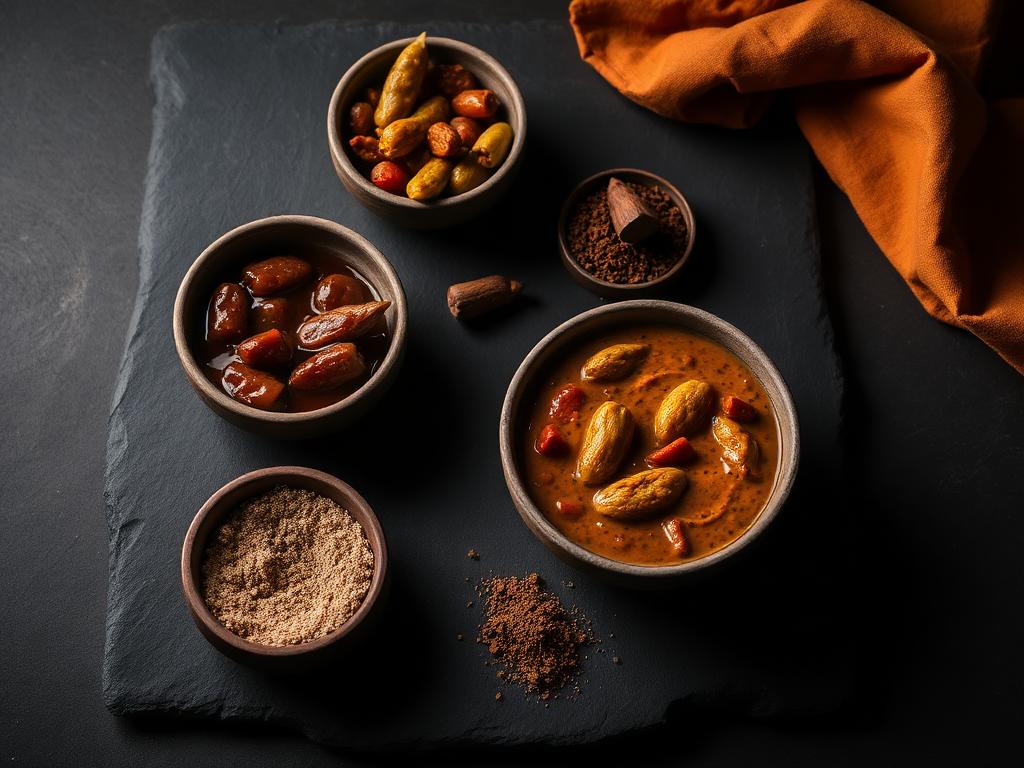
About this dish
A staple in Tamil Brahmin (Iyer) households, Paruppu Thuvaiyal is a thick, coarse lentil paste that defines South Indian comfort food. Unlike a runny chutney, a Thuvaiyal is dense and ground with very little water. It is traditionally the saving grace of a meal when vegetables are scarce, providing essential protein and a deep, roasted flavor that pairs beautifully with tangy liquids.
Ingredients
The Lentils
- 1/2 cup Toor Dal (Pigeon Peas)
- 2 tbsp Chana Dal (Bengal Gram)
- 1 tsp Urad Dal (Black Gram, split)
Aromatics and Spices
- 4-6 Dry red chilies (Long Variety)
- 1/4 tsp Asafoetida (Hing) powder
- 1/2 tsp Black peppercorns
- 1 tsp Oil (Coconut or Gingelly)
The Grind
- 1/4 cup Freshly grated coconut
- 1 small piece Tamarind (size of a marble)
- Salt to taste
- 2-3 tbsp Water (for grinding)
Method
- 1
Roast the dals
Heat 1 tsp of oil in a small pan. Add the Toor dal, Chana dal, and Urad dal. Roast on a medium-low flame, stirring constantly. The key is even roasting; the dals must turn a deep reddish-golden color without charring. You will smell a distinct nutty aroma when they are ready.
- 2
Toast the spices
When the dals are halfway roasted, add the dry red chilies and black peppercorns to the same pan. The chilies should puff up and become crisp. Add the peppercorns last as they can turn bitter if over-roasted.
- 3
Add Hing and cool
Just before turning off the heat, sprinkle the hing over the hot lentils. Give it a quick toss and immediately transfer the mixture to a plate to cool down. Leaving it in the hot pan will continue the cooking process and might burn the dal.
- 4
Prepare the coconut
While the lentils cool, grate the coconut fresh. Do not roast the coconut for this specific recipe, as the freshness provides a necessary creamy contrast to the dry roasted lentils.
- 5
First dry grind
Place the cooled dal mixture, red chilies, tamarind, and salt in a blender (mixie). Pulse several times to get a coarse powder. Grinding the dry ingredients first ensures there are no large chunks of lentil left.
- 6
Final wet grind
Add the fresh coconut and exactly 1 tablespoon of water. Pulse again. Add water one teaspoon at a time only if the blades aren't moving. The final consistency should be a thick, stiff paste, not a flowing chutney.
- 7
Check texture
The Thuvaiyal should have a slightly gritty, sandy texture from the lentils. It should be able to hold its shape when formed into a ball. Avoid over-blending into a smooth puree.
- 8
Check seasoning
Taste for salt and tamarind. The balance should be earthy from the dal, spicy from the pepper, and slightly tangy. Adjust salt if necessary and give one final quick pulse.
- 9
Storage
Transfer to a bowl. This thuvaiyal does not require a mustard tempering (tadka), as that would mask the pure roasted lentil flavor. It can be stored in the fridge for up to 2 days.
Notes & variations
- For a variations, add a few cloves of roasted garlic if you prefer a non-traditional Brahmin style.
- Ensure the tamarind is seedless and free of fiber before adding to the blender.
- If using desiccated coconut, soak it in 1 tbsp warm water for 5 minutes before grinding.
- The black pepper is crucial; it provides a 'back-of-the-throat' heat different from the red chilies.
Serve with
Serve a big dollop alongside hot steamed rice and Peppar Rasam, drizzled with a teaspoon of ghee.
Cook's note
Never add too much water at once; the charm of a thuvaiyal lies in its thickness which allows it to be mixed perfectly with rice and ghee.