Kovil Style Puliyodharai
Authentic temple-style tamarind rice with a unique spice blend.
About this dish
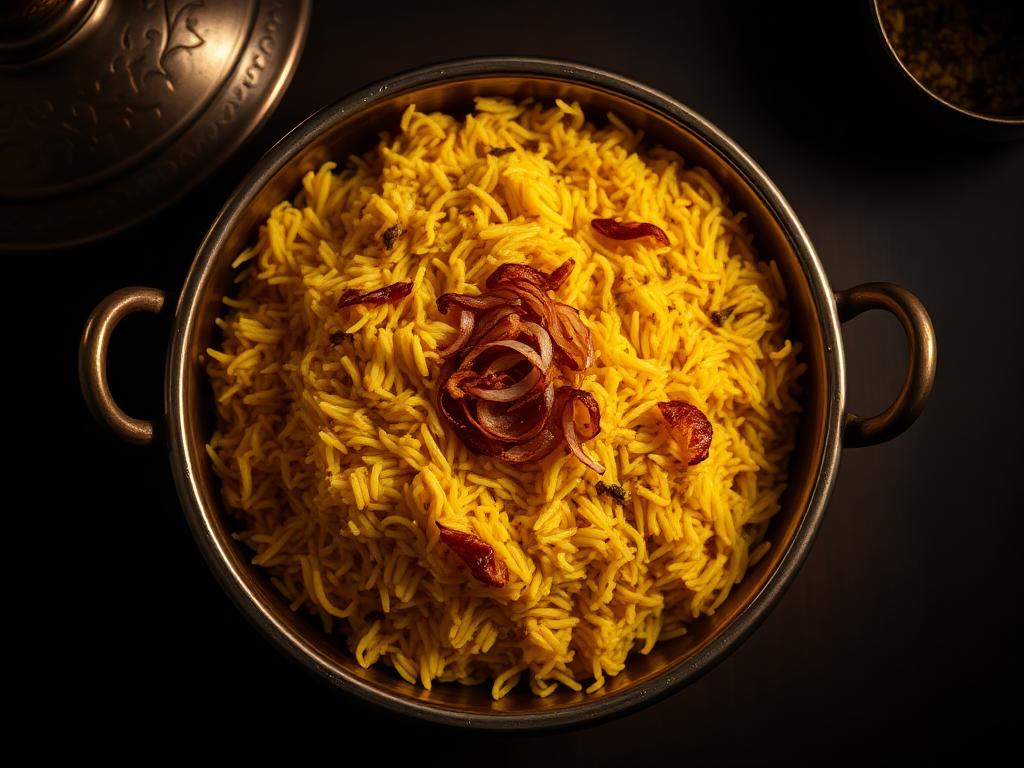
This version of Puliyodharai, known as 'Puliogare' in temples, is distinctly different from the home-style version due to its dark, intense hue and the specific 'Pulikachal' base. Originating from the Srirangam and Kanchipuram temple kitchens, it is served as Prasadam, prepared with a specific ratio of gingelly oil and hand-roasted spices. The dish is characterized by a balance of sharp tanginess, a hint of jaggery, and the crunch of roasted peanuts.
Ingredients
The Rice Base
- 200g (1 cup) Sona Masuri or Raw Rice
- 2 cups Water
- 1/2 tsp Turmeric powder
- 2 tbsp Gingelly oil (Sesame oil)
Tamarind Extract
- 75g (Lemon sized ball) Aged tamarind
- 2 cups Warm water
- 1 tsp Salt
- 1 tbsp Jaggery powder
Puliyodharai Podi (Spice Mix)
- 2 tbsp Coriander seeds
- 1 tbsp Chana dal
- 1 tsp Urad dal
- 1/2 tsp Fenugreek seeds
- 8-10 Dried Guntur red chillies
- 1/2 tsp Black peppercorns
- 1 tsp White sesame seeds
Tempering
- 100ml Gingelly oil
- 1 tsp Mustard seeds
- 2 tbsp Peanuts (raw)
- 1 tbsp Chana dal
- 4 Dried red chillies
- 2 sprigs Curry leaves
- 1/2 tsp Asafoetida (Hing)
Method
- 1
Prepare the Fluffy Rice
Wash the rice twice and pressure cook with 2 cups of water and turmeric for 3 whistles. Once the pressure releases, spread the rice on a wide plate (Thambalam), drizzle with 2 tablespoons of gingelly oil to keep grains separate, and let it cool completely to room temperature.
- 2
Roast the Spice Blend
In a heavy-bottomed pan over low-medium heat, dry roast coriander seeds, chana dal, urad dal, and fenugreek seeds until the lentils turn golden brown. Add the red chillies and peppercorns in the last 2 minutes, followed by sesame seeds until they pop. Cool and grind to a slightly coarse powder; do not make it a fine dust.
- 3
Extract the Tamarind Essence
Soak the tamarind in warm water for 20 minutes, then squeeze thoroughly to extract a thick pulp. Strain the liquid to remove fibers and grit, ensuring you have about 1.5 to 2 cups of thick, dark extract.
- 4
The Initial Tempering
Heat 100ml of gingelly oil in a thick kadai until shimmering. Add mustard seeds and let them splutter, then add peanuts and chana dal, frying on medium heat until the peanuts are crunchy and the dal is deep gold. Add red chillies, curry leaves, and asafoetida, ensuring the curry leaves crisp up without burning.
- 5
Simmer the Pulikachal Base
Pour the tamarind extract into the tempering and add salt. Bring to a vigorous boil, then reduce heat to medium-low and simmer for 15-20 minutes. The mixture should reduce significantly and the oil must start separating from the sides, creating a thick, jam-like consistency.
- 6
Incorporate Spices and Jaggery
Add the prepared spice powder and the jaggery to the bubbling tamarind paste. Mix well and cook for another 5 minutes on low heat until the raw smell of the spices disappears and the 'Pulikachal' looks dark brown and glossy.
- 7
Assemble the Rice
Gradually add the Pulikachal (paste) to the cooled rice. Use a flat spatula or your fingers to gently fold the paste into the rice, ensuring every grain is coated without breaking them. Start with half the paste and adjust based on your sourness preference.
- 8
Resting Period
Allow the mixed rice to sit covered for at least 2 hours. This resting phase is crucial as the rice grains absorb the spice and tamarind flavors, deepening the taste and improving the texture.
- 9
Final Check and Seasoning
Taste the rice after the resting period; if the spice level feels low, sprinkle a little more of the remaining powder. The oil should be lightly visible on the grains, giving them a characteristic sheen.
Notes & variations
- Store excess Pulikachal in a glass jar; it stays fresh for up to 3 months refrigerated.
- Always use aged tamarind (darker in color) for the authentic deep brown temple hue.
- Gingelly oil (Sesame oil) is mandatory; substituting with sunflower oil will lose the soul of the dish.
- Ensure the rice is 95% cooked so it stays firm and doesn't turn mushy when mixing.
Serve with
Serve with Fried Appalam (Papad) or a simple potato roast (Urulaikizhangu Varuval).
Cook's note
Adding a teaspoon of raw gingelly oil at the very end of mixing provides a fresh nutty aroma found in temple Prasadam.