Iyer Vethal Kuzhambu
Intense tamarind gravy with sun-dried berries like manathakkali.
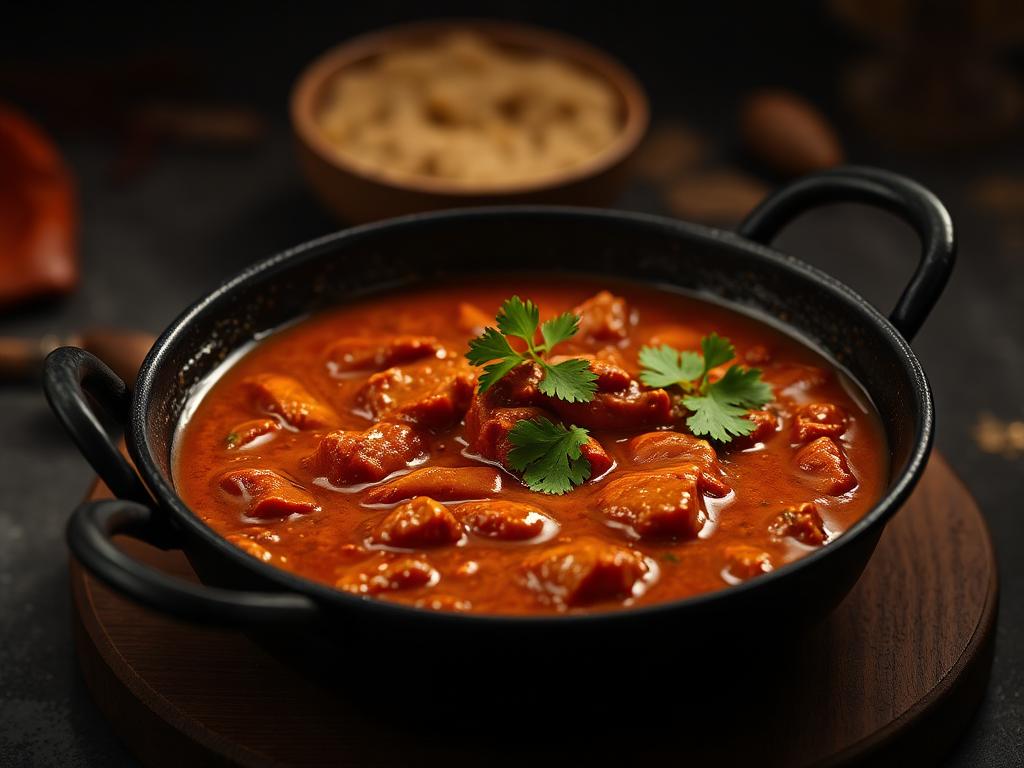
About this dish
A hallmark of the Tamil Brahmin (Iyer) culinary tradition, this dish is a concentrated, tangy, and spicy tamarind-based gravy. It is defined by the use of 'vathals'—sun-dried vegetables like turkey berries or black nightshade—which provide a unique bitter-salty contrast. Traditionally served as the second course in a meal, its intensity is balanced by a final drizzle of raw sesame oil.
Ingredients
The Base
- 1 large lemon-sized ball Tamarind, soaked in 600ml warm water
- 1/4 cup Gingelly oil (Sesame oil), divided
- 2 tbsp Manathakkali Vathal (dried black nightshade berries)
- 1/2 tsp Turmeric powder
- 1 tbsp Jaggery powder
- 1.5 tsp Crystal salt (to taste)
The Spice Paste (Vathakki Araikka)
- 1 tsp Gingelly oil
- 2 tbsp Coriander seeds
- 1 tbsp Toor dal
- 1 tbsp Chana dal
- 6-8 Dried Guntur red chillies
- 1/2 tsp Fenugreek seeds (methi)
- 1 sprig Curry leaves
The Tempering
- 1 tsp Mustard seeds
- 1/2 tsp Fenugreek seeds
- 1/4 tsp Asafoetida (hing) powder
- 2 sprigs Curry leaves
Method
- 1
Roasting the Masala
Heat 1 tsp oil in a small pan over medium-low heat. Add toor dal, chana dal, coriander seeds, and red chillies; roast until the dals turn golden brown and fragrant. Add fenugreek seeds at the very end for 30 seconds to avoid bitterness, then cool and grind into a smooth paste with 1/4 cup water.
- 2
Tamarind Extraction
Squeeze the soaked tamarind thoroughly to extract all the pulp. Strain the liquid to remove fibers and stones, ensuring you have roughly 3 cups of thin tamarind water. Set this aside in a heavy-bottomed vessel, preferably a 'Kalchatti' (stoneware) or seasoned iron kadai.
- 3
Frying the Vathals
Heat 2 tablespoons of gingelly oil in a heavy kadai. Add the manathakkali vathals and fry on low heat until they puff up and turn dark brown but not black. Use a slotted spoon to remove the fried vathals and set them aside to maintain their crunch; you will add them back at the end.
- 4
Tempering the Aromatics
In the same oil used for vathals, add mustard seeds. Once they splutter, add the fenugreek seeds, asafoetida, and curry leaves. Be careful not to burn the fenugreek seeds as they turn bitter instantly if charred.
- 5
Simmering the Base
Pour the tamarind water into the tempered oil. Add turmeric powder and crystal salt. Bring the mixture to a vigorous boil over medium-high heat for about 10 minutes until the raw smell of the tamarind completely disappears.
- 6
Incorporating the Spice Paste
Whisk in the ground masala paste into the boiling tamarind water. Reduce the heat to medium-low. Ensure there are no lumps by stirring continuously for the first minute after adding the paste.
- 7
Thickening the Gravy
Allow the gravy to simmer for another 8-10 minutes. The consistency should transform from watery to a thick, coat-the-spoon density. The oil will begin to separate and float on the edges of the pan.
- 8
The Sweet Balance
Add the jaggery powder to the thickened gravy. This doesn't make it sweet but rounds off the sharp acidity of the tamarind and the heat of the chillies. Stir well for 2 minutes.
- 9
Final Infusion
Add the fried manathakkali vathals back into the gravy. Drizzle the remaining 1 tablespoon of raw gingelly oil over the top and turn off the heat immediately. This raw oil provides a characteristic 'Iyer' finish and sheen.
Notes & variations
- If you don't have manathakkali, use sundakkai (turkey berries) or even thick-cut drumsticks.
- The gravy thickens as it cools; if it becomes too thick, dilute with a little hot water before reheating.
- Store in a glass jar; this dish tastes significantly better the next day and lasts for 4-5 days without refrigeration.
- Avoid using a blender on high speed for the paste; a slow grind preserves the essential oils of the spices.
Serve with
Hot steamed rice, a dollop of ghee, and a side of roasted appalam or a mild cabbage poriyal.
Cook's note
Always use aged tamarind (dark brown/black) for a deeper color and more mellow sourness compared to new tamarind.