Dhaba Jeera Rice
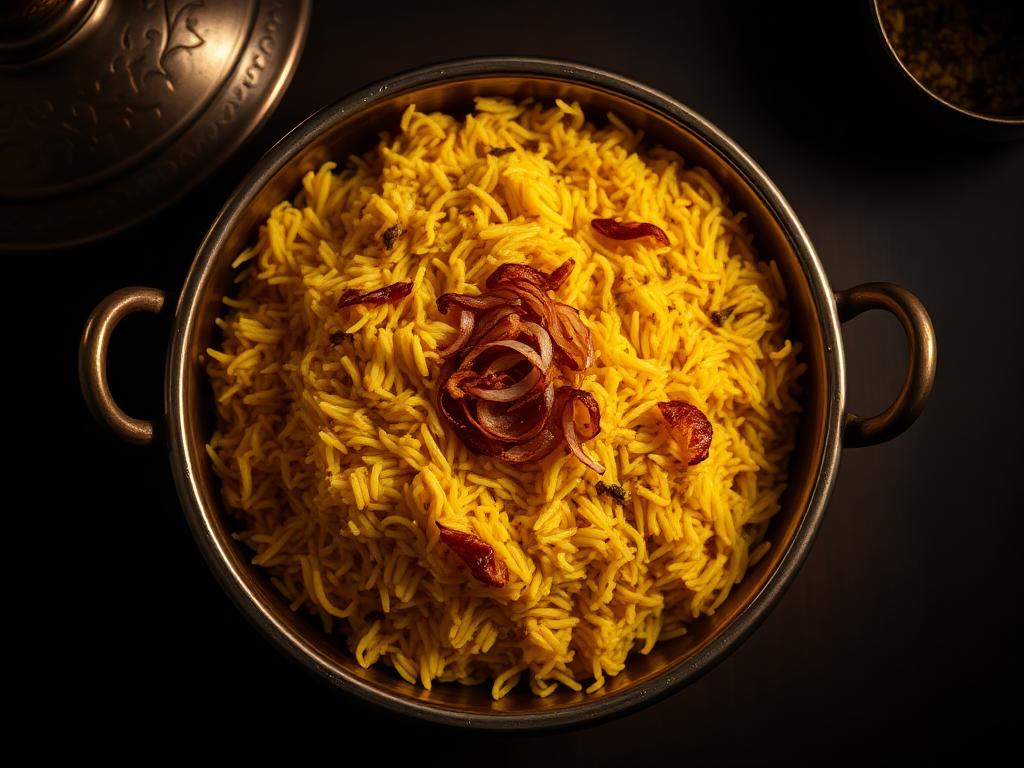
Fragrant basmati rice tempered with cumin and whole spices.
About this dish
Jeera Rice is a quintessential North Indian staple, particularly revered in Punjabi dhabas (roadside eateries) for its smoky, buttery aroma. Unlike everyday steamed rice, the 'Dhaba' style involves blooming whole spices in ghee to infuse every grain with warmth. It is typically served during celebratory meals or as the perfect canvas for rich gravies like Dal Makhani or Paneer Butter Masala.
Ingredients
Grains and Soaking
- 400g (2 cups) Aged Basmati Rice, long grain
- 1 liter Water, for soaking
- 750ml (3 cups) Water, for cooking
Tempering (Tadka)
- 2 tbsp (30g) Desi Ghee or unsalted butter
- 1.5 tbsp Cumin seeds (Shahi Jeera preferred)
- 2 small Cinnamon sticks (Dalchini)
- 4 Green cardamom pods, slightly crushed
- 2 Black cardamom pods
- 3 Cloves (Laung)
- 2 Bay leaves (Tejpatta)
- 1.5 tsp Sea salt
Garnish
- 2 tbsp Fresh coriander leaves, finely chopped
- 1 tsp Lemon juice
Method
- 1
Cleanse and soak the rice
Wash the Basmati rice under cold running water 3-4 times, rubbing gently with your fingers to remove excess starch until the water runs clear. Soak the rice in a large bowl with 1 liter of water for exactly 30 minutes; this ensures the grains elongate without breaking during cooking. Drain completely in a colander and set aside for 5 minutes.
- 2
Bloom the whole spices
Heat the ghee in a heavy-bottomed pot or handi over medium heat until it begins to shimmer but not smoke. Add the cumin seeds first; they should sizzle immediately and turn a deep golden brown within 10 seconds. Add the cinnamon, cardamoms, cloves, and bay leaves, stirring for 30 seconds until the spices release a heady, toasted fragrance.
- 3
Sauté the grains
Add the drained rice to the pot with the spices. Using a flat silicone spatula or a wooden spoon, gently sauté the rice in the ghee for 2-3 minutes on medium-low heat. You are looking for the rice grains to become translucent at the edges and coated thoroughly in the fat, which prevents sticking later.
- 4
Add water and salt
Pour in 750ml of water and add the salt. Stir once very gently to distribute the salt, being careful not to break the brittle, soaked grains. Turn the heat to high and bring the water to a vigorous, rolling boil.
- 5
Initial rapid boil
Let the rice boil uncovered for about 3-5 minutes until the water level drops to just below the surface of the rice. You will see small 'steam holes' or craters forming on the surface of the rice bed. This indicates it is time to reduce the heat.
- 6
Steam on low heat
Turn the heat to the lowest possible setting. Cover the pot with a tight-fitting lid; if the lid is loose, wrap it in a clean kitchen towel to seal the steam (Dum). Let it cook undisturbed for exactly 8-10 minutes.
- 7
Check for doneness
Open the lid and gently push aside a few grains with a fork to check the bottom. If there is no water left and the grains look standing upright (the 'needle' look), the rice is done. If water remains, cook for another 2 minutes.
- 8
Rest the rice
Turn off the heat but do not touch the rice yet. Keep the lid on and let the rice rest for 5-10 minutes. This allow the moisture to redistribute, ensuring the grains are firm yet tender.
- 9
Fluff and garnish
Using a fork or a flat rice paddle, gently fluff the rice from the edges toward the center to avoid breaking the long grains. Drizzle with lemon juice to keep the grains white and bright. Sprinkle the fresh coriander over the top and serve steaming hot.
Notes & variations
- Use Shahi Jeera (Caraway seeds) for a more complex, floral aroma typical of high-end restaurants.
- Always use aged Basmati (at least 1-2 years) for the best elongation and non-sticky texture.
- Leftovers can be stored in an airtight container for up to 2 days; reheat by sprinkling a little water and microwaving.
- For a vegan version, substitute ghee with a neutral oil like sunflower or avocado oil.
Serve with
Serve with Dal Tadka, Kadhi Pakora, or any rich North Indian gravy.
Cook's note
Never stir the rice while it is boiling; this releases starch and will make the dish mushy.