Kaayi Holige (Coconut Puran Poli)
Kaayi Obattu, also known as Kaayi Holige, is the coconut variant of the classic South Indian sweet flatbread.
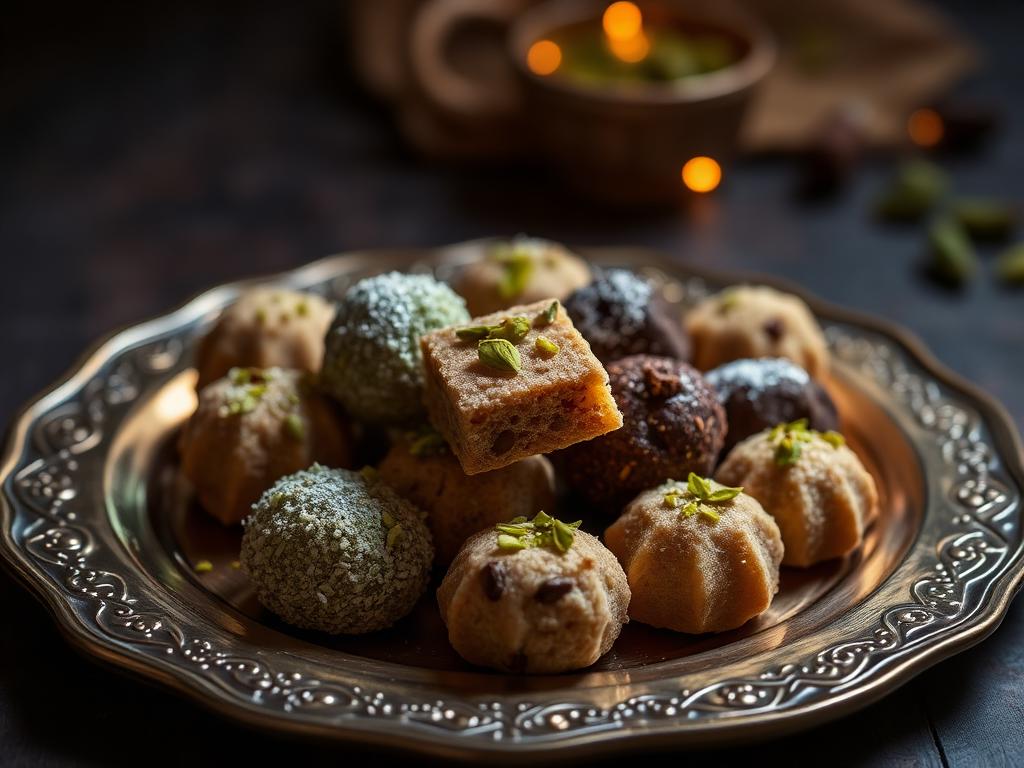
About this dish
Kaayi Obattu, also known as Kaayi Holige, is the coconut variant of the classic South Indian sweet flatbread. It is an indispensable part of festivals like Ugadi and Vara Mahalakshmi Puja in Karnataka. What distinguishes the Karnataka version is the thin, translucent outer covering (kanaka) made of maida and the rich, cardamom-scented coconut and jaggery filling (hoorna).
Ingredients
The Dough (Kanaka)
- 1 cup (125g) Maida (All-purpose flour)
- 1/4 cup (40g) Fine Chiroti Rava (Semolina)
- 1/4 tsp Turmeric powder
- 1/2 cup (120ml) Oil (Neutral oil)
- Water as needed for a soft dough
The Filling (Hoorna)
- 2 cups (200g) Fresh grated coconut (white part only)
- 1.5 cups (300g) Jaggery powder
- 1/2 tsp Cardamom powder
- 1 tsp Poppy seeds (Khus Khus), toasted
- 1 tsp Ghee
Method
- 1
Knead the Kanaka
Mix maida, chiroti rava, and turmeric. Add water gradually to form a very soft, sticky dough. The dough should be much softer than chapati dough—almost elastic and stretchy.
- 2
The Oil Soak
Place the dough in a bowl and pour 1/4 to 1/2 cup of oil over it until it is partially submerged. Cover and let it rest for at least 3 hours. This 'oil soaking' is critical for developing the gluten needed to stretch the obattu thin.
- 3
Prepare the Hoorna base
In a heavy pan, combine the grated coconut and jaggery. Heat over medium-low flame. The jaggery will melt and the mixture will become watery initially. Stir continuously to prevent burning.
- 4
Cooking the stuffing
Continue cooking until the moisture evaporates and the mixture starts to leave the sides of the pan. Add cardamom powder and toasted poppy seeds. To test, take a small amount; you should be able to roll it into a non-sticky ball once cooled.
- 5
Grinding the Hoorna
Once the coconut mixture cools completely, grind it in a mixer-grinder without adding any water. This results in a smooth, pasty texture that is easy to stuff and roll. Shape into lemon-sized balls.
- 6
Stuffing the dough
Pinch a small portion of the rested dough (half the size of the hoorna ball). Flatten it on your palm, place the coconut ball in the center, and pleat the edges to seal it completely, pinching off any excess dough.
- 7
Rolling out
Place the stuffed ball on a greased parchment paper or a banana leaf. Use your fingers or a rolling pin to flatten it into a thin, translucent circle. The oil in the dough will help it spread effortlessly without sticking.
- 8
Roasting
Heat a flat griddle on medium. Carefully flip the parchment paper onto the tawa and peel the paper away. Cook for 1 minute until small bubbles appear, then flip. The obattu should have light golden spots but remain soft.
- 9
Final touch
Apply a smear of ghee on both sides while roasting. Stack them on a plate, but do not cover them immediately while steaming hot, or they will become soggy. Once warm, they remain soft for days.
Notes & variations
- If the hoorna is too soft, the obattu will tear; cook the coconut-jaggery mixture longer.
- Chiroti rava adds a slight crispness and structural integrity to the very thin outer layer.
- You can store these for up to 3 days at room temperature or a week in the fridge.
- Ensure the coconut is grated very fine to avoid large chunks that might puncture the dough.
Serve with
Serve warm with a generous drizzle of melted ghee and a side of warm milk.
Cook's note
Resting the dough in oil for 3+ hours is non-negotiable; it's the only way to achieve the paper-thin texture.