Rice Shavige (Fresh Vermicelli)
Originating from the coastal Tulu Nadu and Udupi regions of Karnataka, Shavige is a labor of love traditionally prepared using a heavy wooden or iron press called a 'Shavige Mane'.
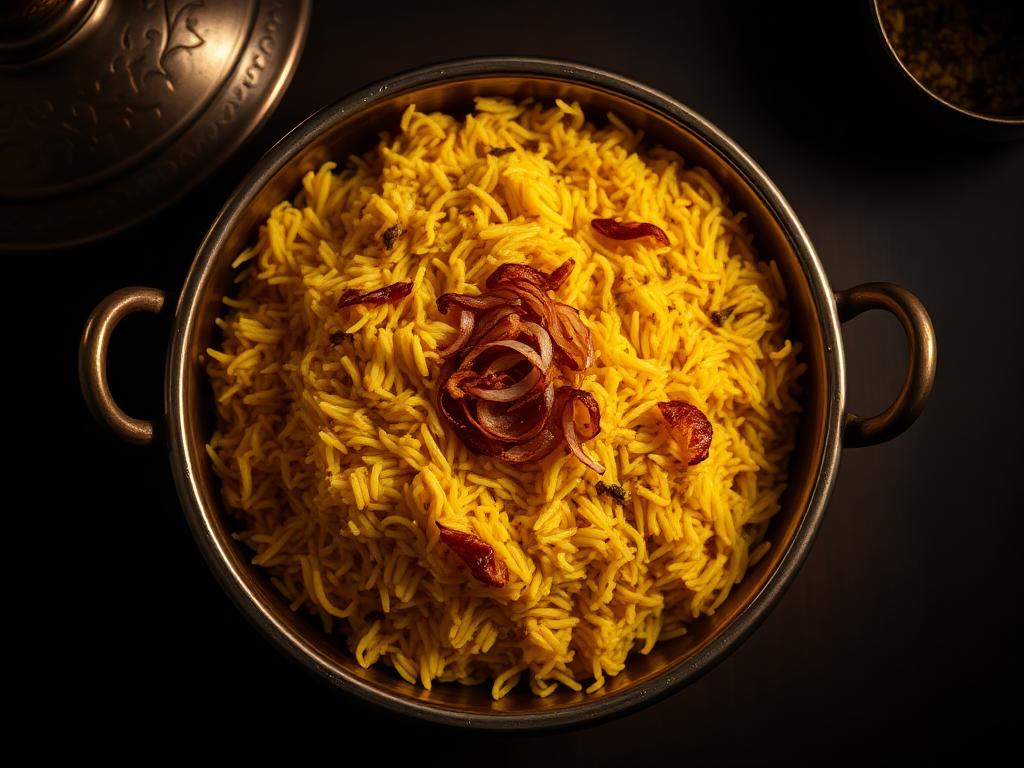
About this dish
Originating from the coastal Tulu Nadu and Udupi regions of Karnataka, Shavige is a labor of love traditionally prepared using a heavy wooden or iron press called a 'Shavige Mane'. Unlike dried store-bought vermicelli, these are fresh, steamed rice strands made from a fermented or semi-cooked rice dough (Akki Tari). It is a staple at weddings and festivals like Ganesh Chaturthi, celebrated for its delicate, melt-in-the-mouth texture.
Ingredients
For the Dough
- 2 cups (400g) Sona Masuri rice, soaked for 4 hours
- 3.5 cups (875ml) water
- 1 tsp (5g) salt
- 2 tsp (10ml) coconut oil
For the Pressing
- Extra coconut oil for greasing the press
Method
- 1
Grind the Rice
Drain the soaked rice and grind it in a heavy-duty mixer with 1.5 cups of water to a very smooth, fine paste. The batter should be thin and free of any grit; if you feel grains between your fingers, grind for another 2 minutes. Transfer this batter into a thick-bottomed kadai or uruli.
- 2
Cook the Dough
Add the remaining 2 cups of water and salt to the batter, stirring well to ensure no lumps. Place the kadai on medium heat and stir continuously with a sturdy spatula to prevent the bottom from burning. The mixture will thicken rapidly; continue cooking for 10-12 minutes until it forms a soft, non-sticky ball that leaves the sides of the pan.
- 3
Steam the Cylinders
Divide the hot dough into large cylindrical logs (kadubus) that fit your steamer. Steam these logs on a high flame for 15-20 minutes until they turn slightly translucent and firm to the touch. It is crucial to press them while they are still steaming hot for the best texture.
- 4
Press the Shavige
Grease the 'Shavige Mane' or a heavy-duty kitchen press with coconut oil. Place a hot steamed log into the cylinder and rotate the handle steadily over a greased plate or banana leaf. Move the press in a circular motion to create thin, interlaced nests of vermicelli without breaking the strands.
- 5
Cool and Set
Allow the pressed nests to cool at room temperature for at least 10 minutes before handling. Do not stack them immediately while hot, as the steam will make them soggy and sticky. Once cooled, the strands should be distinct and springy.
Notes & variations
- If the dough is too dry, the strands will break; add a tablespoon of boiling water to the dough and knead briefly.
- Always grease the press thoroughly to ensure the dough glides through the small holes.
- For a shortcut, you can use fine rice flour, but the traditional soaked rice method yields a superior, softer texture.
- Leftover shavige can be tempered with mustard seeds and lemon to make 'Shavige Uppitu'.
Serve with
Serve hot with sweetened coconut milk (Kayi Haalu) or a spicy vegetable saagu.
Cook's note
Cover the steamed logs with a damp cloth while pressing to keep them hot and pliable.