Karkidaka Kanji (Medicinal Porridge)
Traditional monsoon health gruel made with Navara rice and herbs.
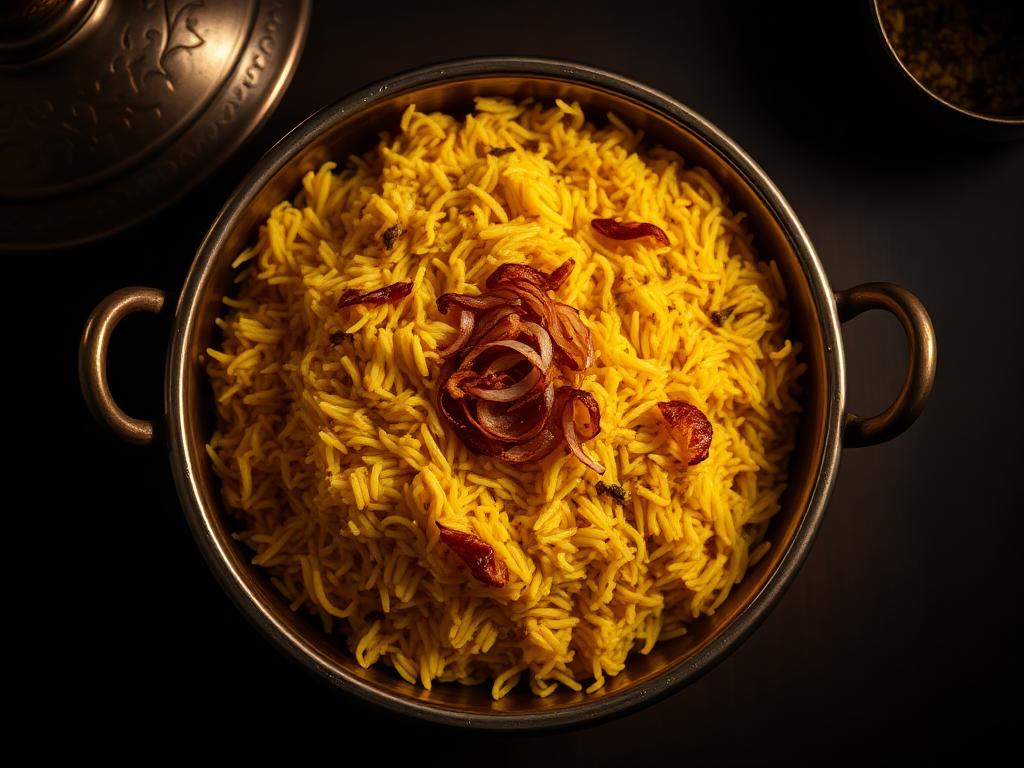
About this dish
Karkidaka Kanji, also known as Oushadha Kanji, is a medicinal porridge consumed during the Malayalam month of Karkidakam (the monsoon season). According to Ayurveda, this is when the body's immunity is at its lowest, and this gruel serves to detoxify and rejuvenate the system. It is a complex preparation featuring 'Navara' rice, a medicinal grain endemic to Kerala, and a blend of 'Dashapushpam' (ten sacred flowers) or specific dry spices.
Ingredients
Grains and Legumes
- 1 cup Navara Rice (or broken Matta rice)
- 2 tbsp Uluva (Fenugreek seeds)
- 2 tbsp Cherupayar (Green gram/mung bean)
Medicinal Spice Mix
- 1 tsp Cumin seeds
- 1 tsp Dry ginger powder (Chukku)
- 1/2 tsp Turmeric powder
- 1/2 tsp Black pepper, crushed
- 1/4 tsp Carom seeds (Ajwain)
Liquid and Finish
- 6 cups Water
- 1 cup Thick coconut milk
- 1/2 tsp Salt (or to taste)
- 1 tsp Ghee (optional)
Method
- 1
Wash and Soak
Rinse the Navara rice and green gram thoroughly under running water. Soak them along with the fenugreek seeds for at least 30 minutes. This softens the tough outer husk of the medicinal rice and ensures even cooking.
- 2
Initial Boiling
In a large pot, bring 6 cups of water to a rolling boil. Add the soaked rice, green gram, and fenugreek seeds. Reduce the heat to medium-low and simmer, partially covered.
- 3
Simmer for Tenderness
Cook the grains for about 30-35 minutes. Navara rice takes longer than white rice to soften. Stir occasionally to prevent the rice from sticking to the bottom, adding more hot water if the mixture becomes too thick.
- 4
Add the Spices
Once the rice is 80% cooked and starting to burst, add the dry ginger powder, turmeric, crushed pepper, cumin, and carom seeds. These spices provide the 'heating' element necessary to balance the dampness of the monsoon.
- 5
Incorporate Coconut Milk
Lower the heat to the minimum and pour in the thick coconut milk. Stir gently to combine. Do not let the porridge come to a vigorous boil after adding coconut milk, as it may curdle; just heat it until tiny bubbles appear at the edges.
- 6
Season and Temper
Add salt to taste. If you prefer a richer flavor, you can temper some shallots in a teaspoon of ghee and add it to the kanji, though the traditional medicinal version is often kept plain.
- 7
Consistency Check
The final consistency should be that of a thick, flowy gruel. The rice should be very soft, almost overcooked, to ensure easy digestion. Turn off the heat and let it sit for 5 minutes before serving.
Notes & variations
- Navara rice is essential for the authentic medicinal properties; look for it in specialty organic or Ayurvedic stores.
- For a sweet version, you can replace salt with jaggery and omit the pepper/ginger.
- Garden cress seeds (Aashali) are often added for extra health benefits; soak them separately before adding.
- This is traditionally eaten for 7, 14, or 21 consecutive days during the monsoon.
Serve with
Serve hot with a side of 'Puzhukku' (steamed tubers) or a simple coconut chutney.
Cook's note
Always use dry ginger powder (Chukku) instead of fresh ginger for this recipe, as it has a more concentrated medicinal effect according to Ayurveda.