Ker Kumatiya Recipe
Tangy ker berries and nutty kumatiya seeds in a dry Marwari desert-style masala.
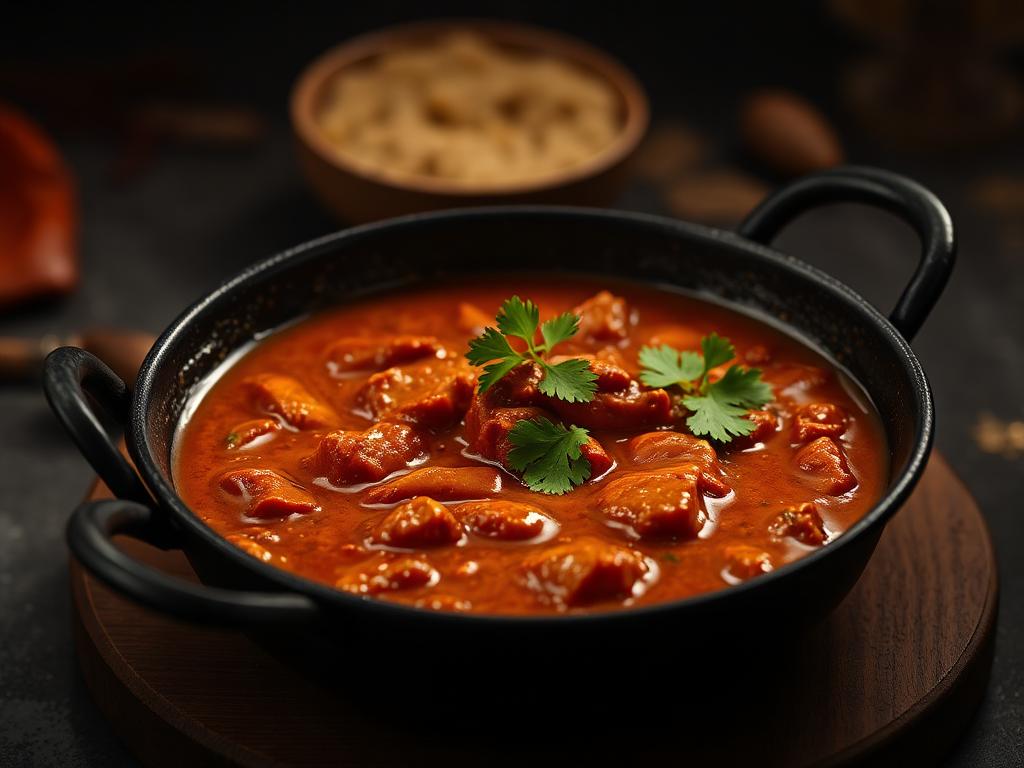
About this dish
Kumatiya, also written kumat or kumati, are edible seeds of the desert tree commonly identified as Senegalia senegal. Along with ker and sangri, they belong to the dried larder of western Rajasthan and also appear in panchkuta mixtures. This two-ingredient sabzi follows that Marwari desert-cooking tradition, pairing the seeds’ nutty bite with tart ker for meals when fresh vegetables are scarce.
Ingredients
Dried desert produce
- 150 g food-grade dried kumatiya seeds (about 1 cup)
- 50 g dried ker berries (about ½ cup)
- 3.5 litres water (about 14½ cups), divided for initial soaking and simmering, plus fresh water for changes and topping up
Tempering
- 45 ml mustard oil (3 tablespoons)
- 2 g cumin seeds (1 teaspoon)
- 1 g fennel seeds (½ teaspoon)
- 0.25 g compounded asafoetida (⅛ teaspoon)
- 2 g dried red chillies (2 small)
Ground spices and finishing
- 8 g ground coriander (1 tablespoon plus 1 teaspoon)
- 2 g mild red chilli powder (1 teaspoon)
- 1 g ground turmeric (½ teaspoon)
- 2 g ground fennel (1 teaspoon)
- 120 ml water (½ cup)
- 4 g fine salt (⅔ teaspoon), or to taste
- 3 g amchur, dried mango powder (1 teaspoon)
- 14 g ghee (1 tablespoon)
Method
- 1
Identify and sort the ingredients
Use kumatiya sold specifically as an edible Rajasthani cooking ingredient, not unidentified acacia seeds. Sort the seeds and ker separately for 3–4 minutes, removing stones, stalks and shrivelled debris. Rinse in several changes of cool water until no visible grit remains.
- 2
Soak overnight
Put the kumatiya in a bowl with 1 litre water and the ker in another with 500 ml water. Refrigerate for 12 hours, changing the ker water two or three times to lessen bitterness and any preserving salt. The seeds should swell noticeably, while the berries soften and lose their tightly wrinkled appearance.
- 3
Simmer the kumatiya
Drain the kumatiya, place in a heavy saucepan and add 1.5 litres fresh water. Bring to a full boil over high heat for 10 minutes, then reduce to low-medium and simmer partially covered for 60–90 minutes, topping up with hot water as needed. A cooked seed should crush under firm spoon pressure and have a nutty, yielding centre with no hard or chalky core.
- 4
Cook the ker separately
While the seeds simmer, drain the ker and cover it with 500 ml fresh water in another pan. Simmer over low-medium heat for 15–20 minutes, then cool and taste one berry. If it is still sharply bitter or salty, replace the water and simmer for another 5–10 minutes rather than carrying that flavour into the sabzi.
- 5
Drain and mix the masala
Drain the tender kumatiya and ker separately for 8–10 minutes, discarding both cooking liquids. Mix the coriander powder, chilli powder, turmeric and ground fennel with 60 ml of the measured water. Leave the smooth spice slurry off the heat while the cooked seeds steam dry.
- 6
Prepare the whole-spice tempering
Heat the mustard oil in a kadai over medium-high heat for about 2 minutes, until shimmering with the first faint wisp. Reduce the heat to low and wait 30 seconds before adding the cumin, fennel seeds and dried red chillies. When the seeds crackle after 30–40 seconds, stir in the asafoetida without allowing it to darken.
- 7
Fry the ground spices gently
Add the spice slurry and cook over low heat for 2–3 minutes, scraping the base continuously. It should thicken slightly and develop small beads of oil around the edges. Add a teaspoon of the remaining water if needed to keep the powdered spices from sticking or smelling scorched.
- 8
Combine and let the flavours penetrate
Fold in the kumatiya, ker, remaining measured water and salt, using less salt if the ker was preserved in brine. Cover and cook over low heat for 12–15 minutes, stirring gently every 4 minutes. The berries should remain mostly whole and the seeds should take on a warm, reddish-gold coating.
- 9
Reduce, sour and finish
Uncover and cook over low-medium heat for 3–5 minutes until the remaining moisture evaporates and the masala clings to the seeds. Add the amchur and ghee, toss for 1 minute and taste for balanced tartness rather than aggressive sourness. Rest off the heat for 10 minutes before serving warm.
Notes & variations
- Cup measures use a 240 ml cup; kumatiya size and processing vary, so the stated gram weights take priority.
- Buy food-grade kumatiya from a reliable Rajasthani grocer; other seeds sold under broad acacia names are not interchangeable.
- Older seeds may need longer than 90 minutes of simmering; do not rely on the clock if their centres remain hard.
- This is a home-style two-ingredient preparation rather than a fixed royal recipe; refrigerate within 2 hours and use within 3 days.
Serve with
Bajra or jowar roti, plain yoghurt, moong dal and roasted papad.
Cook's note
Tenderise the kumatiya fully before adding ker and amchur, since acidic ingredients can slow further softening.