Khar Recipe
An Assamese alkaline curry of green papaya, gently seasoned with mustard oil.
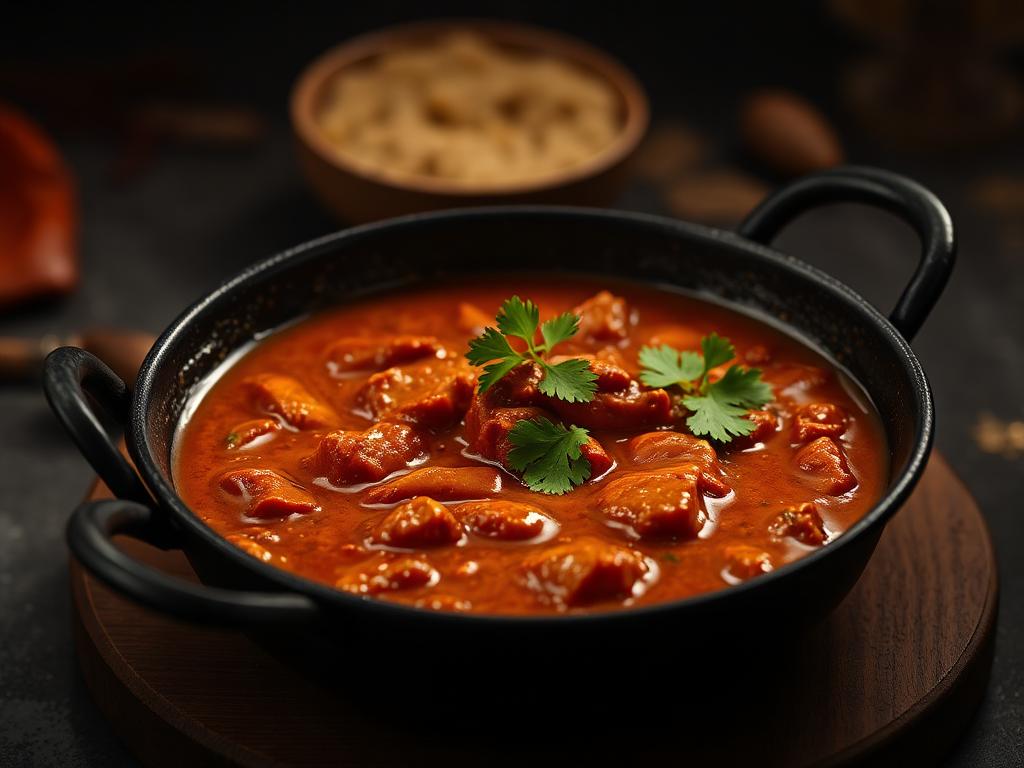
About this dish
Khar is a defining preparation of Assamese cooking, named for the alkaline ingredient that gives it its distinctive character. Traditional kolakhar is made by filtering water through the ash of dried banana plant material, often banana peels. This green-papaya version is one of several household variations and is often served near the beginning of a rice meal. Its restrained seasoning distinguishes it from richer, heavily spiced curries.
Ingredients
Papaya and dal
- 600 g peeled and deseeded green papaya, cut into 2 cm cubes (about 4 cups)
- 40 g split yellow moong dal (about 3 tablespoons)
- 600 ml water (2 1/2 cups)
- 4 g salt (about 2/3 teaspoon), or to taste
Seasoning
- 15 ml mustard oil (1 tablespoon)
- 1 dried red chilli, about 1 g
- 15 ml ready-to-use culinary kolakhar liquid (1 tablespoon), or the supplier's recommended amount for 600 g vegetables
Method
- 1
Prepare the green papaya
Peel the papaya thickly enough to remove its tough green skin, then scrape out the seeds and pale inner membrane. Cut into even 2 cm cubes so the pieces soften at a similar rate. Allow about 8 minutes for this preparation; the flesh should be firm and pale, not orange or sweet.
- 2
Wash the moong dal
Rinse the dal in two or three changes of cool water until the water is mostly clear. Drain in a fine sieve for 2 minutes. Keep it unsoaked for this version, which leaves a little texture in the finished khar.
- 3
Warm the mustard oil
Heat the mustard oil in a stainless-steel or enamelled saucepan over medium heat for 1–2 minutes. When it shimmers and smells pungent, reduce the heat to low. Add the dried chilli and turn it for 15–20 seconds, stopping before it darkens.
- 4
Coat the dal and papaya
Add the drained dal and stir over low heat for 1 minute. Add the papaya and toss for another 2 minutes so the surfaces acquire a light sheen of oil. Do not brown the vegetables; khar should retain a gentle, clean flavour.
- 5
Begin the simmer
Pour in the measured water and add the salt. Raise the heat to medium-high for 3–4 minutes, until small bubbles break across the surface. Stir once to release any dal from the bottom of the pan.
- 6
Cook until partly tender
Cover and simmer over low heat for 10 minutes. Stir halfway through, keeping the liquid at a gentle bubble rather than a rolling boil. The papaya should begin to look translucent at the edges while remaining firm in the centre.
- 7
Add the culinary khar
Stir in the ready-to-use kolakhar, following its supplier's dosage if it differs from the quantity listed. Simmer, partly covered, over low heat for 6–8 minutes. The papaya should soften noticeably and the broth should develop khar's characteristic mellow alkaline taste, not a harsh or soapy one.
- 8
Adjust the consistency
Press two or three papaya pieces against the side of the pan to lightly thicken the liquid. Cook uncovered over medium-low heat for 2–3 minutes if the curry looks watery. Stop when the dal is tender and the papaya yields easily to a spoon but still holds some shape.
- 9
Rest and serve
Turn off the heat and let the khar stand for 3 minutes. Taste a cooled spoonful and adjust the salt only if necessary. Serve warm in small portions with plain rice, keeping sour accompaniments separate from this course.
Notes & variations
- Cup measures use a 240 ml cup; vegetable volumes are approximate, so weights are preferable.
- Use only culinary kolakhar from a trusted source; its concentration varies, and industrial alkalis or lye are not substitutes.
- Avoid aluminium cookware because the alkaline liquid can react with it.
- Do not add lemon, tomato or tamarind to this preparation; souring changes its defining alkaline character.
Serve with
Freshly steamed rice, followed by dal, seasonal vegetables and other Assamese dishes.
Cook's note
Choose completely unripe papaya: ripe fruit becomes sweet and loses the firm texture this khar needs.