Khatta Dhokla Recipe
Fermented white rice-and-urad dhokla with gentle sourness and a peppery top.
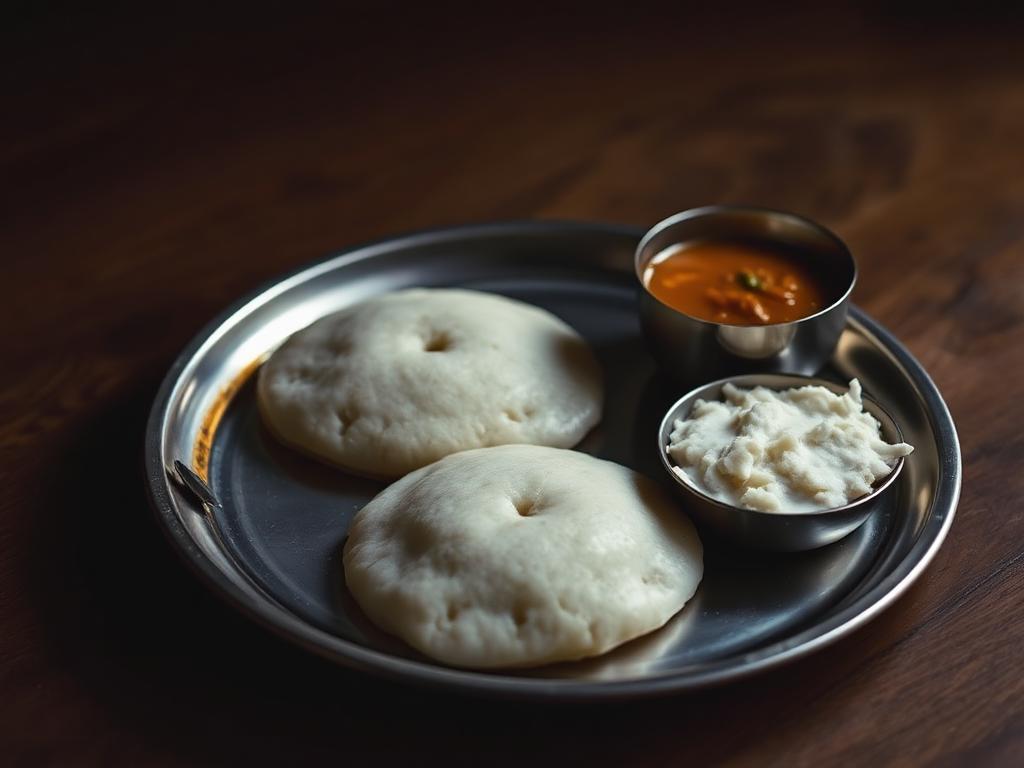
About this dish
Khatta dhokla belongs to Gujarat's older tradition of fermented rice-and-pulse batters. Its pale colour and pleasantly sour flavour distinguish it from yellow besan khaman. Gujarati households serve it at breakfast, with tea, or as a light supper with chutney. Fermentation varies with the season, and cooks traditionally judge readiness by aroma and bubbles rather than the clock alone.
Ingredients
Fermented batter
- 200 g ordinary white rice (approximately 1 cup)
- 70 g split, skinned urad dal (approximately ⅓ cup)
- 2 g fenugreek seeds (½ teaspoon)
- 120 g plain sour yogurt (½ cup)
- 150 ml water (½ cup + 2 tablespoons), for grinding
- 30 ml water (2 tablespoons), reserved for adjusting consistency
- 1 litre water (approximately 4 cups), for soaking and discarding
- 5 g fine salt (approximately ¾ teaspoon)
Before steaming
- 5 g ginger (1 teaspoon finely grated)
- 3 g green chilli (1 teaspoon finely minced)
- 2 g coarsely ground black pepper (1 teaspoon)
- 10 ml neutral oil (2 teaspoons), for greasing two trays
Tempering
- 15 ml neutral oil (1 tablespoon)
- 3 g black mustard seeds (1 teaspoon)
- 6 g white sesame seeds (2 teaspoons)
- 1 g curry leaves (10–12 leaves)
- 0.2 g asafoetida (⅛ teaspoon)
- 10 g fresh coriander (3 tablespoons loosely packed), chopped
Method
- 1
Wash and soak
Rinse the rice and urad dal separately in several changes of cool water. Put the rice in one bowl and the dal with fenugreek in another, distributing the soaking water so both are generously covered. Leave off the heat for 6 hours, until the grains crush more readily between the fingers.
- 2
Grind the rice
Drain both bowls thoroughly and reserve no soaking water. Grind the rice with the yogurt and approximately half the measured grinding water for 2–3 minutes, pausing to scrape the jar. Keep the mixture cool and leave a faintly sandy texture rather than making a perfectly silky paste.
- 3
Grind the dal
Grind the drained dal and fenugreek with the remaining grinding water for 2–4 minutes. Pause if the grinder becomes hot, as the batter should remain near room temperature. The dal paste should be smooth, light, and noticeably fluffier than the rice paste.
- 4
Combine and ferment
Mix both pastes with the salt in a large bowl, allowing space for expansion. Cover loosely and leave in a comfortably warm place, ideally around 26–30°C, for 8–12 hours. Look for small bubbles, a modest rise, and a clean, pleasantly sour aroma before steaming.
- 5
Season gently
Fold the ginger and chilli into the fermented batter off the heat for about 30 seconds. Add the reserved 30 ml water only if needed to obtain a thick, pourable consistency. Avoid vigorous beating, which would drive out the fermentation bubbles.
- 6
Heat the steamer
Bring the steamer water to a steady boil over medium-high heat for 5–7 minutes. Grease two approximately 18 cm shallow trays and divide the batter between them to a depth of roughly 1–1.5 cm. Sprinkle the pepper evenly across the tops.
- 7
Steam the dhokla
Place the trays in a tiered steamer with room for steam to circulate. Cover and cook over medium heat for 15–18 minutes without opening the lid for the first 12 minutes. The tops should feel set and a skewer should emerge without raw batter.
- 8
Rest and temper
Remove the trays and rest off the heat for 5 minutes. Meanwhile, heat the tempering oil over medium heat for 1 minute, then add mustard seeds, sesame seeds, curry leaves, and asafoetida. Let them crackle for 30–45 seconds, stopping before the sesame darkens.
- 9
Cut and finish
Spread the hot tempering over the warm dhokla and scatter with coriander. Cut into diamonds or squares and loosen with a flat spatula after another 2 minutes off the heat. The pieces should be tender with a slight grain and a gentle fermented tang.
Notes & variations
- Cup measures use a 240 ml cup; the rice-to-dal proportion is best measured by weight.
- The stated cooking time assumes two trays fit in a tiered steamer; allow another 15–18 minutes if steaming in batches.
- Cold weather can extend fermentation; discard batter showing coloured growth or an unpleasant putrid smell.
- This version relies on fermentation rather than fruit salt; a very sour yogurt is not a substitute for properly aerated batter.
Serve with
Coriander chutney, garlic chutney, or a little groundnut oil and dry chilli powder.
Cook's note
Steam in shallow layers for a light, evenly cooked dhokla rather than a dense central crumb.