Kongunadu Santhakai
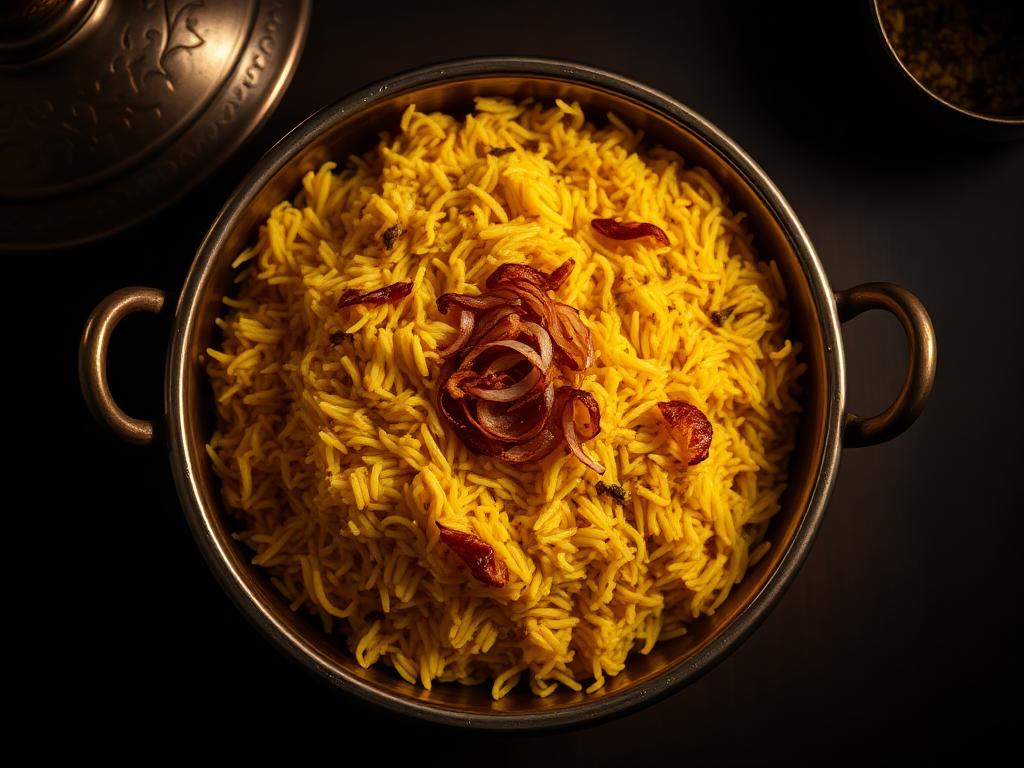
Freshly pressed rice noodles typically served with seasoned coconut milk.
About this dish
A specialty of the Kongu region (Coimbatore, Erode, Salem), Santhakai is a labor-intensive traditional rice noodle. Historically, it was made using a large wooden or metal press called a 'Santhakai Ural'. Unlike instant sevai, this process involves making steamed rice dumplings first, then pressing them while hot. It is the highlight of festive breakfasts and weddings in the region.
Ingredients
Rice Dough
- 500g Parboiled rice (Idli rice), soaked for 4 hours
- 1 tsp Salt
- 1 tbsp Gingelly oil
- Water for grinding
Sweet Coconut Milk (Thengai Paal)
- 1 large Coconut, freshly grated
- 200g Jaggery, powdered
- 1/2 tsp Cardamom powder
- 500ml Warm water
Lemon Tempering (Optional Variation)
- 2 tbsp Oil
- 1 tsp Mustard seeds
- 1 tbsp Chana dal
- 2 Dried red chilies
- 1/2 tsp Turmeric powder
- Juice of 1 lemon
Method
- 1
Grind the Batter
Drain the soaked rice and grind it in a wet grinder or heavy-duty blender with very little water. The batter must be extremely smooth (like butter) and thick. Add salt towards the end of the grinding process.
- 2
Cook the Dough
Transfer the batter to a heavy kadai with 1 tbsp oil. Stir continuously on medium heat. The batter will thicken and form a non-sticky, soft dough ball (Kolukkattai maavu). This takes about 10-12 minutes.
- 3
Shape and Steam
Grease your hands and shape the warm dough into cylindrical logs or large balls. Place them in an idli steamer and steam for 15-20 minutes. The logs should be fully cooked through and have a glossy sheen.
- 4
The Pressing Process
While the steamed dough is piping hot, place one log into the Santhakai press (Sevai Nazhi). Rotate the handle to extrude fine noodles onto a plate. It is vital to do this while hot; if the dough cools, it becomes impossible to press.
- 5
Cool and Fluff
Spread the extruded noodles on a large bamboo tray or plate to cool. Do not touch them for 5 minutes, or they will become mushy. Once cooled slightly, gently fluff them with a fork.
- 6
Prepare Coconut Milk
Blend the grated coconut with warm water and extract the thick milk. Dissolve jaggery in a little water, strain it for impurities, and mix it into the coconut milk. Add cardamom powder. Do not boil the coconut milk.
- 7
Optional Seasoning
If making a savory version, heat oil and splutter tempering ingredients. Toss a portion of the plain Santhakai gently in the tempering until evenly coated in yellow turmeric and spices.
- 8
Final Assembly
Keep the plain santhakai covered with a damp cloth until serving to maintain moisture. The texture should be separate strands that are soft and melt in the mouth.
Notes & variations
- Always use aged parboiled rice for the best elasticity.
- If the noodles break, the dough was likely undercooked during the steaming stage.
- The traditional press is made of brass; modern stainless steel ones are easier to clean.
- Leftover plain santhakai can be refrigerated and re-steamed for 2 minutes.
Serve with
Serve the plain noodles with a generous bowl of sweetened coconut milk or a spicy vegetable kurma.
Cook's note
Add a teaspoon of ghee to the dough while cooking to ensure the noodles come out silky and don't stick to each other.