Koonthal Fry (Squid Roast)
Spicy, chewy squid rings sautéed with coconut slivers.
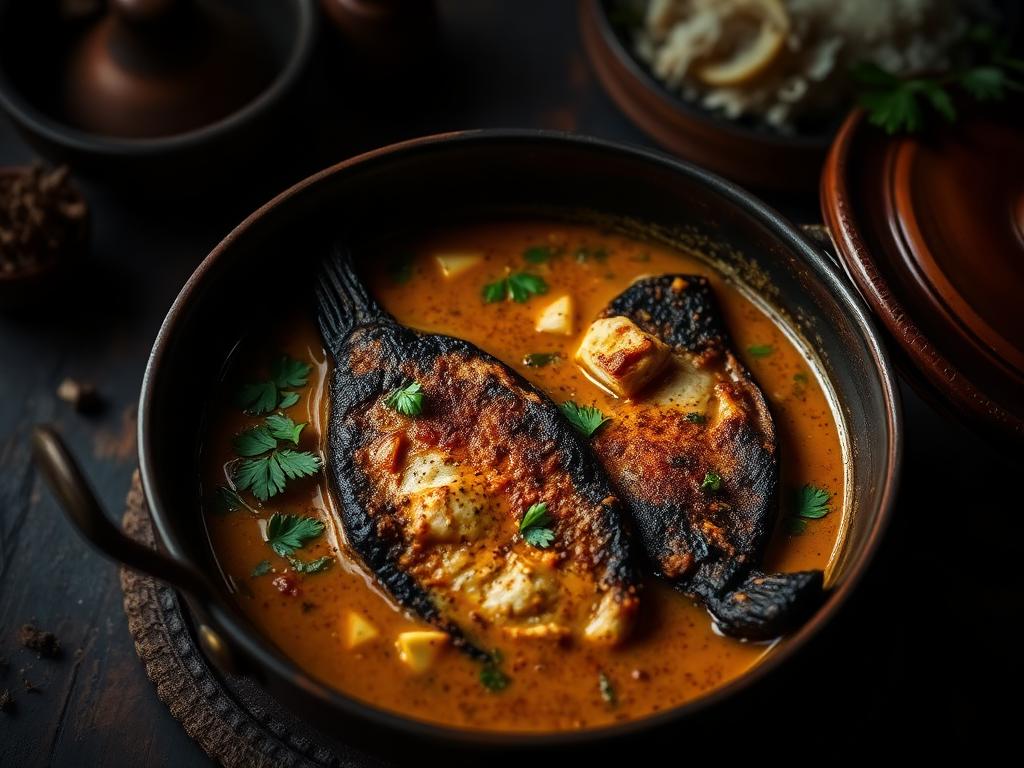
About this dish
A quintessential toddy shop favorite from the coastal regions of Alappuzha and Kochi, Koonthal Fry is a spicy, dark-brown squid roast. It is defined by its chewy yet tender texture and the abundance of 'thenga kothu' (fried coconut slivers). The dish highlights the Kerala Christian style of slow-roasting seafood with crushed shallots and black pepper.
Ingredients
The Seafood
- 500g Squid (Koonthal), cleaned and cut into rings
- 1/2 tsp Turmeric Powder
- 1 tsp Salt
- 1 tbsp Lemon Juice
The Masala Base
- 3 tbsp Coconut Oil
- 1/2 cup Fresh Coconut Slivers (Thenga kothu)
- 200g Shallots (Sambar Onions), sliced thinly
- 1 tbsp Ginger-Garlic Paste
- 2 sprigs Curry Leaves
- 2 Green Chillies, slit
Dry Spices
- 1.5 tbsp Kashmiri Chilli Powder
- 1 tbsp Coriander Powder
- 1/2 tsp Fennel Powder (Perumjeerakam)
- 1 tsp Crushed Black Peppercorns
- 1/2 tsp Garam Masala
Method
- 1
Marinate the Squid
Clean the squid thoroughly, removing the purple skin and internal cartilage. Cut into 1cm rings and marinate with turmeric, salt, and lemon juice for 15 minutes. The acid in the lemon helps in tenderizing the squid proteins before cooking.
- 2
Fry the Coconut Slivers
Heat 3 tablespoons of coconut oil in a heavy-bottomed kadai or clay pot (manchatti). Add the coconut slivers and fry on medium heat until they turn a deep golden brown and become crunchy. Remove half of them for garnish and keep the rest in the pan.
- 3
Sauté the Aromatics
To the same oil, add the sliced shallots and curry leaves. Sauté over medium heat for 8-10 minutes until the shallots turn translucent and then lightly brown. Adding a pinch of salt now will help draw out moisture from the onions faster.
- 4
Add Ginger and Garlic
Stir in the ginger-garlic paste and slit green chillies. Cook for 2-3 minutes until the raw pungent smell of the garlic disappears. Be careful not to burn the paste, as it will make the roast taste bitter.
- 5
Bloom the Spices
Lower the heat to minimum and add chilli powder, coriander powder, fennel powder, and half the black pepper. Toast the spices in the oil for 60 seconds until the oil separates and the masala turns a dark, rich red color.
- 6
Cook the Squid
Increase heat to medium and add the marinated squid rings. Do not add any water; the squid will release its own moisture. Cover with a lid and cook for 8-10 minutes. Overcooking squid at this stage can make it rubbery, so keep a close watch.
- 7
Open Pan Roasting
Remove the lid and increase the heat to medium-high. The released water needs to evaporate completely. Stir frequently to prevent the masala from sticking to the bottom, allowing the squid to get coated in the thick spice paste.
- 8
The 'Fry' Stage
Continue roasting for another 5-7 minutes until the squid rings look dark and slightly charred on the edges. Add the remaining crushed black pepper and garam masala during the last 2 minutes of cooking for a fresh punch of heat.
- 9
Final Garnish
Toss back the reserved fried coconut slivers and a fresh sprig of curry leaves. Turn off the heat and let the dish sit for 5 minutes; the residual heat will finish the cooking and allow the flavors to deepen.
Notes & variations
- Squid releases a lot of water; never add extra water during the cooking process.
- Small shallots are non-negotiable for the authentic taste; red onions are a poor substitute.
- If the squid feels tough, a pressure cooker can be used for 1 whistle, but the texture is better pan-roasted.
- Leftovers taste even better the next day when the spices have fully penetrated the meat.
Serve with
Serve as a side dish with steamed Kerala Matta rice or as a snack with drinks.
Cook's note
Fry the coconut slivers until they are very dark golden—they provide a crucial textural contrast to the soft squid.