Tirunelveli Koottanchoru
A wholesome one-pot meal with mixed vegetables, lentils, and rice.
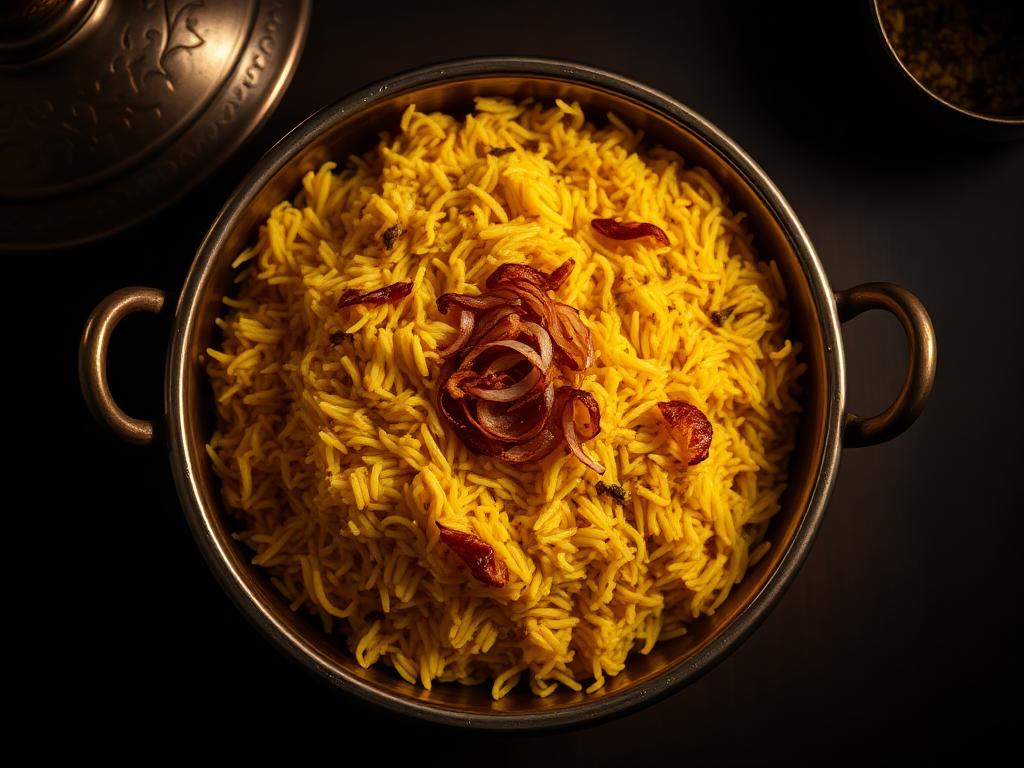
About this dish
Koottanchoru is a legendary one-pot meal from the Tirunelveli-Thoothukudi belt of southern Tamil Nadu. Unlike a Biryani or Sambar Sadam, it is characterized by the use of local, hardy vegetables and a specific spice paste featuring fresh coconut and fennel. Traditionally prepared during family outings or 'river-bed picnics', it is a rustic dish that celebrates the communal spirit of 'koottan' (gathering).
Ingredients
Grains and Lentils
- 200g (1 cup) Ponni Raw Rice
- 100g (1/2 cup) Toor Dal (pigeon peas)
- 1.2 liters (5-6 cups) Water
The Vegetable Medley
- 1 small Eggplant (Brinjal), cubed
- 1 small Carrot, chopped
- 1 Drumstick, cut into 2-inch pieces
- 50g Raw Banana (Plantain), cubed
- 50g Broad Beans (Avarakkai)
- 1 Potato, peeled and cubed
- 1 Onion, sliced
- 2 Tomatoes, chopped
Fresh Masala Paste
- 1/2 cup Fresh Coconut, grated
- 6-8 Dried Red Chilies
- 1 tablespoon Fennel seeds (Saunf)
- 1 teaspoon Cumin seeds
- 4 cloves Garlic
Tempering and Finishing
- 2 tablespoons Ghee or Coconut oil
- 1 teaspoon Mustard seeds
- 1/2 teaspoon Turmeric powder
- 1 sprig Curry leaves
- Salt to taste
Method
- 1
Soaking Grains
Wash the rice and toor dal together until the water is clear. Soak them in water for 30 minutes. Soaking ensures even cooking, especially since they will be cooked along with vegetables.
- 2
Grinding the Masala
In a small blender, combine the coconut, red chilies, fennel seeds, cumin, and garlic. Add a tablespoon of water and grind into a slightly coarse paste. The fennel is the signature aroma of Tirunelveli cuisine.
- 3
Sautéing Aromatics
Heat ghee in a large pressure cooker or a heavy-bottomed pot. Add mustard seeds and let them splutter. Add the onions and curry leaves, sautéing until the onions turn translucent.
- 4
Adding Vegetables
Toss in all the chopped vegetables and tomatoes. Sauté for 3-4 minutes on medium heat. The goal is to lightly sear the vegetables to hold their shape during pressure cooking.
- 5
Incorporating the Masala
Add the ground coconut masala and turmeric powder to the vegetables. Fry for 2 minutes until the raw smell of the garlic and chilies dissipates and the oil starts to coat the vegetables.
- 6
Combining Grains and Water
Drain the rice and dal and add them to the pot. Stir gently for a minute to coat the grains with the masala. Pour in the 5-6 cups of water and add salt. The water ratio is higher than usual to achieve a soft, mushy consistency.
- 7
Pressure Cooking
Close the pressure cooker lid. Cook on medium-high heat for 4-5 whistles. If cooking in an open pot, cover with a heavy lid and simmer for 25-30 minutes, stirring occasionally to prevent burning.
- 8
Natural Release
Allow the pressure to release naturally. Do not force the whistle. This 'resting' period allows the rice to absorb the remaining moisture and the flavors to settle.
- 9
Final Mashing
Open the lid and gently mix the rice with a sturdy ladle. The vegetables should be soft but visible, and the rice should be moist, almost like a thick porridge. Drizzle a tablespoon of fresh ghee on top before serving.
Notes & variations
- The vegetable choice is flexible, but drumstick and eggplant are considered essential for the authentic taste.
- For an extra layer of flavor, add a handful of soaked peanuts along with the vegetables.
- If the rice looks too dry after opening the cooker, stir in half a cup of hot water and mix well.
- Using coconut oil for tempering provides a more coastal, authentic flavor profile compared to ghee.
Serve with
Serve hot with spicy potato fry (urulaikilangu poriyal), fried appalam, and a simple onion-curd raita.
Cook's note
Don't skip the fennel in the masala; it's what distinguishes Koottanchoru from the Sambar Sadam of northern Tamil Nadu.