Kothimbir Vadi Curry
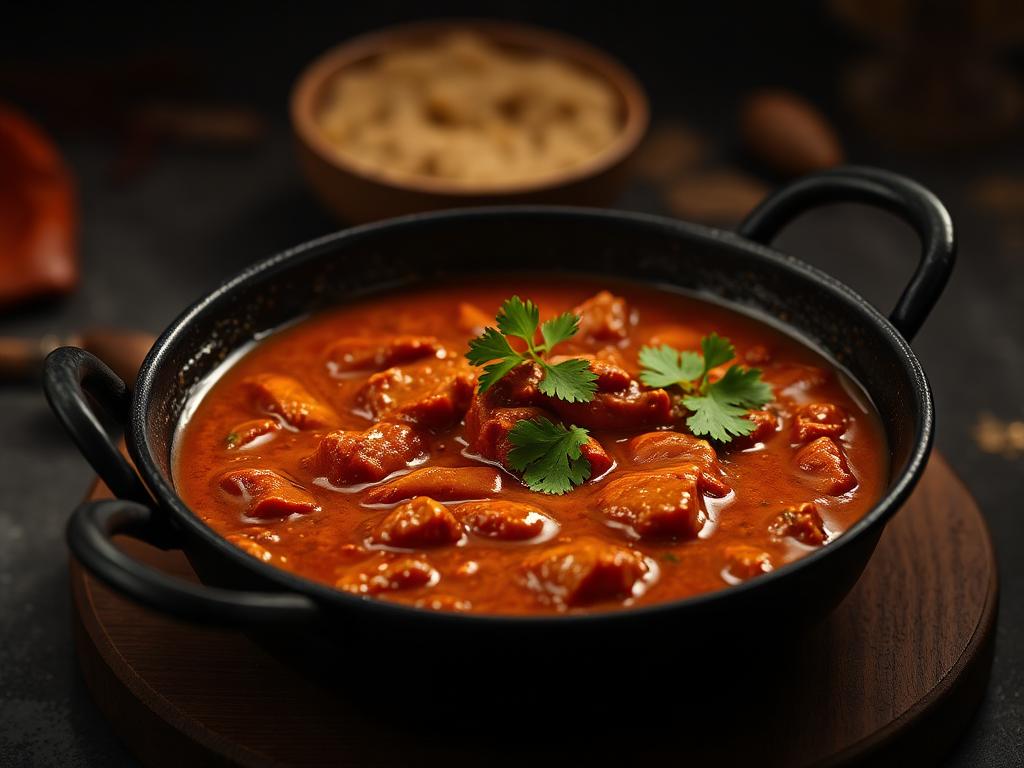
Fried coriander cakes submerged in a spicy, thin Maharashtrian gravy.
About this dish
Originating from the Brahmin communities of Maharashtra, Kothimbir Vadi is a beloved snack that reaches its pinnacle when served as a 'Rassa' (curry). This dish transforms crispy coriander cakes into a complete meal, typically served during festive luncheons or as a special Sunday treat. The contrast between the steamed-then-fried savory cakes and the thin, spicy coconut-based gravy makes it a textural masterpiece distinctive to the Deccan plateau.
Ingredients
For the Vadi (Cakes)
- 2 cups (100g) Fresh coriander leaves, finely chopped
- 1.5 cups (180g) Besan (Gram flour)
- 1/2 cup (60g) Rice flour for crispness
- 1 tsp Ginger-garlic paste
- 1/2 tsp Turmeric powder
- 1 tsp Red chili powder
- 1 tbsp White sesame seeds
- 1/2 tsp Salt
- 1/4 cup Water, added incrementally
For the Rassa (Gravy)
- 1/2 cup Grated fresh coconut
- 1 Large onion, sliced and charred
- 4 cloves Garlic
- 1 inch Ginger
- 2 tbsp Oil
- 1 tsp Mustard seeds
- 1/4 tsp Asafoetida (Hing)
- 2 tsp Goda Masala (Maharashtrian spice mix)
- 1 tsp Kashmiri red chili powder
- 500 ml Hot water
Method
- 1
Prepare the Vadi Dough
In a large mixing bowl, combine the chopped coriander, besan, rice flour, sesame seeds, and dry spices. Mix well with your hands, squeezing the coriander to release its moisture before adding water. Gradually add water to form a stiff, non-sticky dough that holds its shape when rolled into a cylinder.
- 2
Steam the Vadi
Grease a steamer plate or colander. Shape the dough into two logs about 2 inches thick and place them in a preheated steamer over medium-high heat. Steam for 15-18 minutes until a toothpick inserted into the center comes out clean; the surface should look matte and firm.
- 3
Cool and Slice
Remove the logs and let them cool completely for at least 20 minutes; skipping this will cause the vadis to crumble when sliced. Once cold, use a sharp knife to cut the logs into 1/2-inch thick rounds or diamonds. The interior should look dense and speckled with bright green herbs.
- 4
Pan-Fry for Texture
Heat 3 tablespoons of oil in a shallow pan over medium heat. Fry the vadis in batches until both sides are golden brown and crispy, about 3 minutes per side. Set aside on a paper towel while you prepare the gravy.
- 5
Prepare the Waton (Masala Paste)
In a small skillet, dry roast the sliced onions until they turn dark brown/charred, then add the coconut and roast until golden. Grind this mixture with ginger and garlic into a smooth, fine paste using minimal water. This 'Waton' provides the characteristic smokiness of Maharashtrian curries.
- 6
Temper the Spices
Heat 2 tablespoons of oil in a heavy-bottomed pot. Add mustard seeds and let them crackle, followed by hing and curry leaves. Add the prepared Waton paste and sauté on medium heat for 5-7 minutes until the oil starts separating from the sides.
- 7
Build the Rassa
Add the Goda Masala, red chili powder, and turmeric. Stir quickly for 30 seconds to avoid burning the spices, then pour in 500ml of hot water. Using hot water ensures the oil (tarri) floats beautifully on top. Simmer for 10 minutes on low heat until the gravy thins out and develops a deep red sheen.
- 8
Combine and Finish
Season the gravy with salt. Just before serving, gently drop the fried vadis into the boiling curry. Allow them to soak for only 2 minutes so they absorb the flavors but retain their structural integrity. Garnish with a final flourish of fresh coriander.
Notes & variations
- Store fried vadis in an airtight container for up to 3 days if not using in curry immediately.
- Ensure the coriander is completely dry before chopping to prevent the dough from becoming too soggy.
- If you don't have Goda Masala, substitute with a mix of Garam Masala and 1/2 tsp of roasted cumin powder.
- The gravy should be thin (Patala Rassa); if it thickens too much, dilute with a splash of boiling water.
Serve with
Serve hot with Bhakri (sorghum flatbread) or steamed Basmati rice and a wedge of lemon.
Cook's note
Adding a teaspoon of hot oil (Mohan) to the vadi dough makes the cakes exceptionally light and porous.