Steamed Kothimbir Vadi
Savoury cakes made from fresh coriander leaves and chickpea flour.
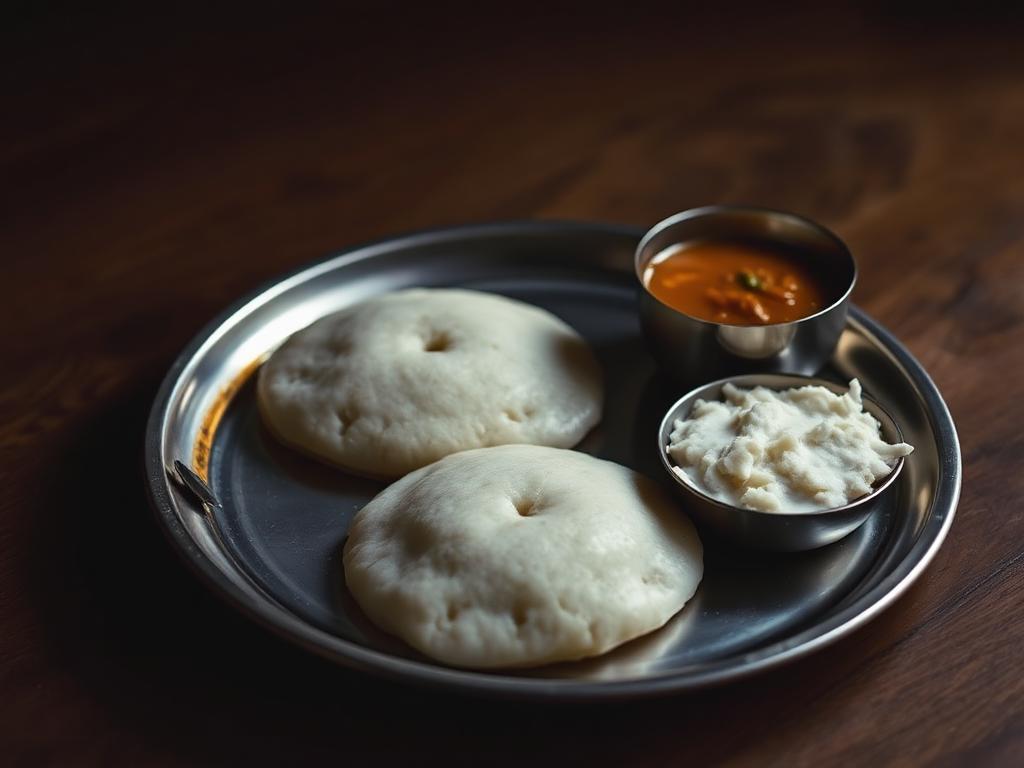
About this dish
Originating from the Brahmin households of Maharashtra and beloved in Mumbai, Kothimbir Vadi is the ultimate monsoon snack. The word 'Kothimbir' means cilantro, which forms the aromatic core of this savory cake. While many deep-fry these after steaming, the authentic steamed version highlights the clean, herbal flavors of the coriander and the nuttiness of the gram flour.
Ingredients
The Green Base
- 200g (4 cups) Fresh coriander leaves, finely chopped and tightly packed
- 150g (1.5 cups) Besan (gram flour), sifted
- 30g (1/4 cup) Rice flour, for crispness
- 1/2 tsp Turmeric powder
- 1 tsp Red chili powder
- 1 tbsp Toasted sesame seeds (Til)
Aromatics & Seasoning
- 1 tbsp Ginger-green chili paste
- 1/4 tsp Asafoetida (Hing)
- 1 tsp Sugar
- 1 tbsp Lemon juice
- 1 tbsp Oil
- 1 tsp Salt (or to taste)
- 60ml (1/4 cup) Water, added incrementally
Method
- 1
Prepare the herb base
Wash the coriander thoroughly and ensure it is completely dry before chopping. Place the chopped leaves in a large mixing bowl and add the ginger-chili paste, hing, sugar, salt, and lemon juice. Rub the spices into the leaves with your fingers to release the natural juices of the coriander.
- 2
Incorporate the flours
Add the sifted besan, rice flour, turmeric, chili powder, and half the sesame seeds to the bowl. Mix well without adding water initially, as the moisture from the leaves and lemon juice will begin to form a thick paste. The mixture should feel heavy and dense.
- 3
Form the dough
Slowly add water, one tablespoon at a time, until you can form a soft but firm dough that holds its shape. Do not over-hydrate, or the vadi will be mushy; the dough should be slightly sticky but manageable with greased hands. Add 1 tablespoon of oil at the end to smooth the surface.
- 4
Shape the logs
Grease your palms with oil and divide the dough into two equal portions. Shape each portion into a cylindrical log about 2 inches in diameter. Ensure there are no large air pockets inside the logs, which could cause them to crumble later.
- 5
Prepare the steamer
Bring about 2 inches of water to a boil in a steamer or a deep pot with a rack. Grease a steamer plate or a flat tray with a neutral oil to prevent sticking. Place the logs on the plate, leaving at least an inch of space between them as they will expand slightly.
- 6
Steam the vadi
Cover the steamer tightly and cook on medium-high heat for 15 to 18 minutes. To check for doneness, insert a toothpick into the center; it should come out clean without any raw batter sticking to it. The logs should feel firm to the touch.
- 7
Cool completely
Remove the steamer plate and let the logs cool at room temperature for at least 15 minutes. This is a critical step; cutting into a hot vadi will result in a messy, jagged edge. The structure sets as it cools.
- 8
Slice the cakes
Once cooled, use a sharp, greased knife to cut the logs into half-inch thick rounds. The interior should look vibrant green with visible specks of sesame seeds. If you prefer a firmer texture, you can let the sliced vadis air-dry for another 10 minutes.
- 9
Optional Tempering
Heat a teaspoon of oil in a small pan and add the remaining sesame seeds. Once they crackle, pour the tempering over the steamed vadis or lightly sear the flat sides of the vadis for 30 seconds per side for a hint of crust.
Notes & variations
- If the coriander is wet, the dough will become too runny, requiring more besan and diluting the flavor.
- Store steamed logs in the fridge for up to 3 days and slice/fry just before serving.
- Add a pinch of baking soda for a fluffier texture, though authentic versions omit it.
- Rice flour is essential for structural integrity; do not skip it.
Serve with
Serve hot with spicy garlic chutney or a cooling coconut-yogurt dip.
Cook's note
To get perfectly clean slices, wipe your knife with a damp cloth between every few cuts.