Knanaya Kozhi Pidi
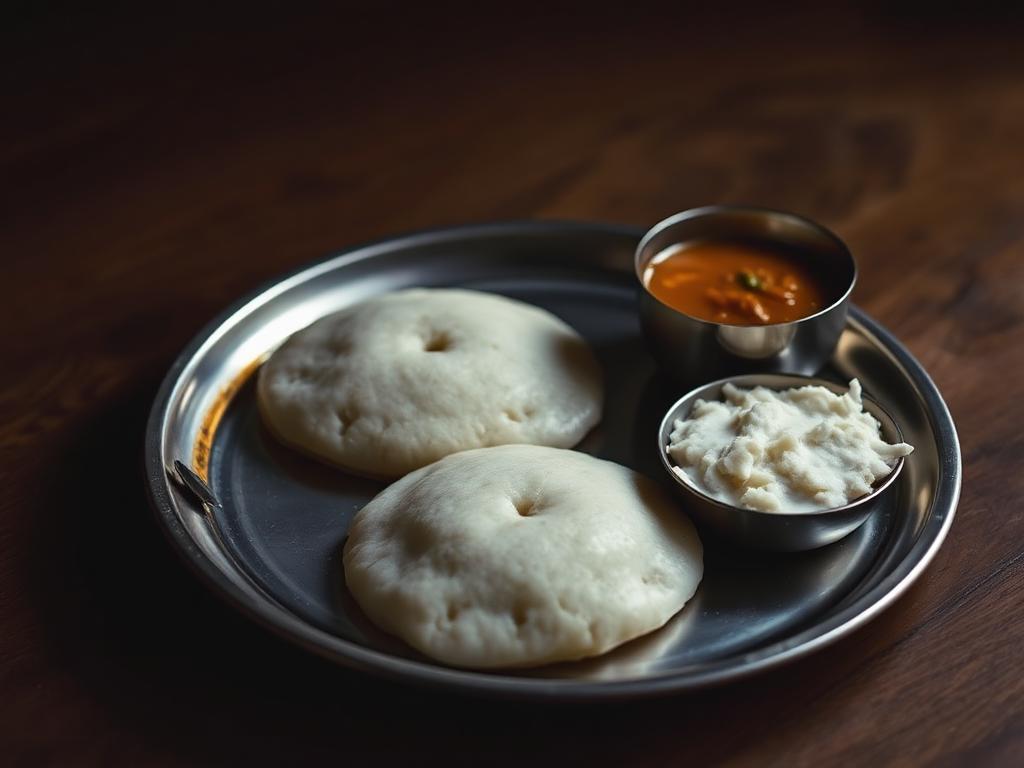
Rice dumplings cooked in a spiced coconut sauce served with chicken.
About this dish
A signature dish of the Knanaya Christian community in Central Kerala, this is a soul-warming 'one-pot' meal often served during 'Antham Charthu' (pre-wedding) ceremonies. Tiny rice dumplings (Pidi) are simmered in a spiced gravy along with succulent pieces of chicken (Kozhi). The dish represents the communal spirit of Kerala, usually prepared in large vessels for extended family gatherings.
Ingredients
The Rice Dumplings (Pidi)
- 2 cups Roasted rice flour (Puttu podi/Idiyappam podi)
- 3 cups Boiling water
- 1/2 cup Grated coconut
- 1 tsp Cumin seeds
- 1 tsp Salt
The Chicken Curry
- 750g Chicken (small bone-in pieces)
- 2 large Onions (chopped)
- 2 tbsp Ginger-garlic paste
- 3 Green chilies (slit)
- 1 tbsp Coriander powder
- 1 tsp Fennel powder
- 1/2 tsp Turmeric powder
- 1 cup Thin coconut milk
The Sauce Base
- 1 cup Thick coconut milk
- 2 sprigs Curry leaves
- 2 tbsp Coconut oil
Method
- 1
Make the Pidi Dough
Grind the grated coconut and cumin seeds into a coarse mix without water. In a large bowl, mix the rice flour and salt, then slowly pour in the boiling water while stirring with a wooden spoon. Add the coconut-cumin mix and knead into a smooth, pliable dough once it is cool enough to touch.
- 2
Shape the Dumplings
Grease your palms with a little oil and roll the dough into tiny, marble-sized balls (about 1cm diameter). Traditionally, a small thumb-print is made in the center of each ball. This is the most time-consuming part, so enlist help to ensure the dumplings don't dry out.
- 3
Steam or Boil the Pidi
Steam the dumplings in an idli steamer for 10-12 minutes until they are firm and slightly translucent. Alternatively, drop them into boiling water and cook until they float. Steaming ensures they hold their shape better when added to the chicken gravy.
- 4
Prepare the Chicken Base
Heat coconut oil in a large pot and sauté the onions until golden. Add ginger-garlic paste and green chilies, cooking until the raw smell disappears. This base provides the aromatic foundation for the entire dish.
- 5
Spice the Chicken
Lower the heat and add coriander powder, fennel powder, and turmeric. Stir for 30 seconds to toast the spices without burning them. Add the chicken pieces and salt, tossing well to coat each piece in the spice mix.
- 6
Simmer the Chicken
Pour in the thin coconut milk, cover, and cook on medium heat for 15-20 minutes until the chicken is 80% cooked. The liquid should be bubbling gently and the chicken releasing its natural juices into the sauce.
- 7
Combine Pidi and Chicken
Gently slide the steamed rice dumplings into the chicken gravy. Stir very carefully using a flat spatula to avoid breaking the dumplings. Let them simmer together for 10 minutes so the Pidi absorbs the spiced chicken broth.
- 8
Thicken with Coconut Milk
Pour the thick coconut milk over the mixture and add fresh curry leaves. Simmer on low heat for another 2-3 minutes. The starch from the rice dumplings will naturally thicken the gravy into a luscious, creamy consistency.
- 9
The Final Tempering
In a separate small pan, heat 1 tsp coconut oil and fry a few shallots and curry leaves until crisp. Pour this over the finished dish. This adds a final layer of aroma and a traditional 'finish' to the Knanaya specialty.
Notes & variations
- If the dough is too sticky, add a little more roasted rice flour; if too dry, add a few drops of hot water.
- You can make the dumplings a day in advance and refrigerate them after steaming.
- Traditionally, some 'Pidi' water (the water used to boil dumplings) is added to the curry for extra thickness.
- Ensure chicken pieces are cut small so they match the scale of the rice dumplings.
Serve with
This is a complete meal on its own, traditionally served in a deep bowl.
Cook's note
Using 'Puttu Podi' (coarsely ground roasted rice) gives the dumplings a slightly better texture than fine rice flour.