Madurai Mochai Kottai Kuzhambu
A tangy, spicy field bean curry popular in Madurai households.
About this dish
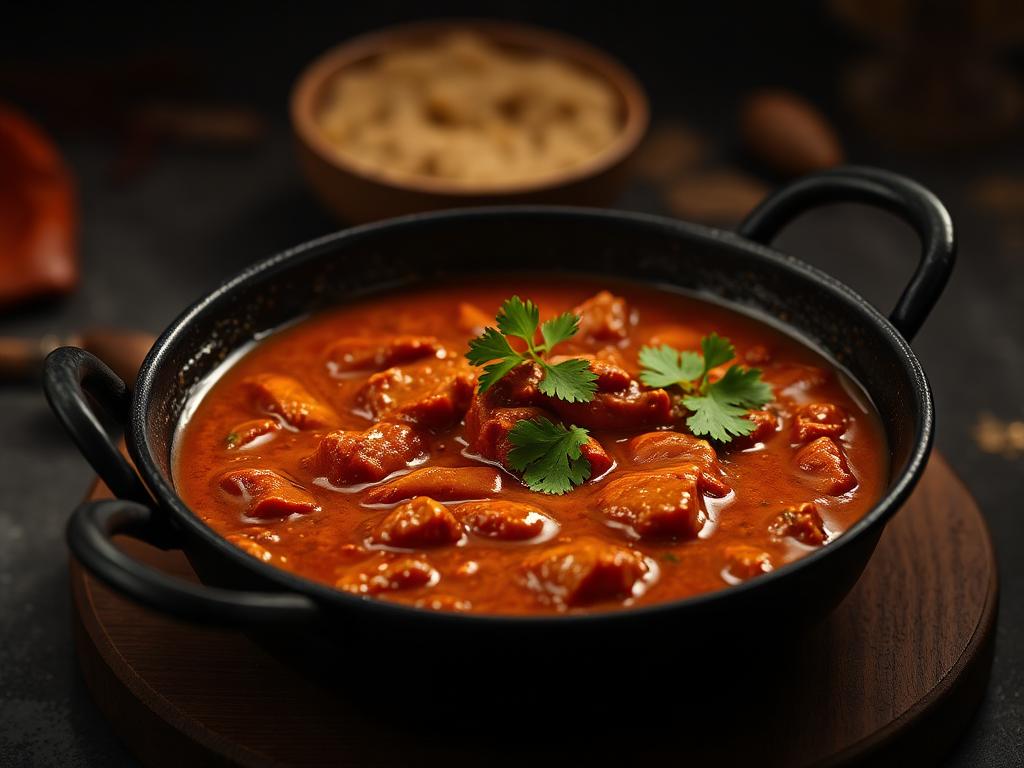
A staple in the temple city of Madurai, this kuzhambu features 'Mochai' or dried field beans. It is a 'Puli Kuzhambu' (tamarind-based gravy) variant that is deeply savory, tangy, and robust. It is traditionally prepared in a 'Man Chatti' (clay pot) which enhances the earthy flavors of the beans and the spice blend.
Ingredients
The Beans and Tamarind
- 150g (3/4 cup) Dried Mochai (Field Beans)
- 1 lemon-sized ball Tamarind, soaked in 400ml warm water
- 1/2 teaspoon Turmeric powder
- 1 teaspoon Salt, adjust to taste
The Masala Paste
- 1 tablespoon Gingelly oil (Sesame oil)
- 2 tablespoons Coriander seeds
- 6-8 Dried Red Chillies (Long variety)
- 1 teaspoon Cumin seeds
- 1/2 teaspoon Black peppercorns
- 50g (1/2 cup) Small onions (Shallots), peeled
- 1 tablespoon Grated coconut
Tempering and Aromatics
- 3 tablespoons Gingelly oil
- 1 teaspoon Mustard seeds
- 1/2 teaspoon Fenugreek seeds (Methi)
- 2 sprigs Curry leaves
- 10 cloves Garlic, peeled
- 15 Small onions (Shallots), halved
- 1 large Tomato, chopped
Method
- 1
Prep the Mochai
Wash the dried mochai and soak in water for at least 8 to 10 hours. Drain the soaking water, add fresh water and a pinch of salt, and pressure cook for 4-5 whistles until the beans are soft but hold their shape. Do not overcook them into a mush.
- 2
Roast the Masala
Heat 1 tablespoon of gingelly oil in a small pan over medium-low heat. Roast coriander seeds, red chillies, cumin, and peppercorns until fragrant and the chillies turn dark red. Add the 50g of shallots and coconut, sauté for 2 minutes until the onions soften, then cool and grind to a smooth paste with a little water.
- 3
Initial Tempering
In a clay pot or heavy-bottomed kadai, heat 3 tablespoons of gingelly oil. Add mustard seeds and let them splutter. Add fenugreek seeds and curry leaves; the fenugreek should turn golden brown but not black, as burnt fenugreek makes the gravy bitter.
- 4
Sauté Aromatics
Add the whole garlic cloves and the remaining halved shallots. Sauté on medium heat for 4-5 minutes until the shallots turn translucent and light brown. Add the chopped tomatoes and cook until they break down into a soft pulp.
- 5
Tamarind Extraction
Extract the juice from the soaked tamarind, discarding the pulp and seeds. Pour the tamarind water into the pot with the sautéed onions and tomatoes. Add turmeric powder and salt, then bring to a vigorous boil for 5 minutes to remove the raw tamarind smell.
- 6
Integrating the Masala
Add the ground masala paste to the boiling tamarind water. Stir well to ensure there are no lumps. Reduce the heat to medium and let the gravy simmer for 8-10 minutes until the oil starts to separate and float on the edges (the 'thilipu' stage).
- 7
Adding the Beans
Gently fold in the cooked mochai beans along with their cooking liquid. Simmer the kuzhambu for another 5-7 minutes. This allows the beans to absorb the tangy and spicy flavors of the base gravy.
- 8
Final Consistency Check
The gravy should be thick enough to coat a spoon but still pourable. If it is too thick, add a splash of hot water; if too thin, simmer for a few more minutes uncovered. Taste and adjust salt or tamarind if necessary.
- 9
The Finishing Touch
Turn off the heat and drizzle a final teaspoon of raw gingelly oil over the top. Cover the pot and let it rest for at least 15 minutes before serving. This resting period is essential for the flavors to meld and deepen.
Notes & variations
- Using Gingelly (Sesame) oil is non-negotiable for the authentic Madurai flavor profile.
- If using fresh mochai (seasonal), skip the long soak and pressure cook for only 2 whistles.
- You can add vegetables like drumstick or brinjal along with the mochai for extra texture.
- This curry tastes even better the next day as the beans continue to marinate in the spice base.
Serve with
Serve with hot Ponni rice, a dollop of ghee, and a side of Appalam (papad) and potato fry.
Cook's note
Always dry roast the mochai briefly before soaking to enhance their nutty aroma and speed up the softening process.