Malabar Neypathal
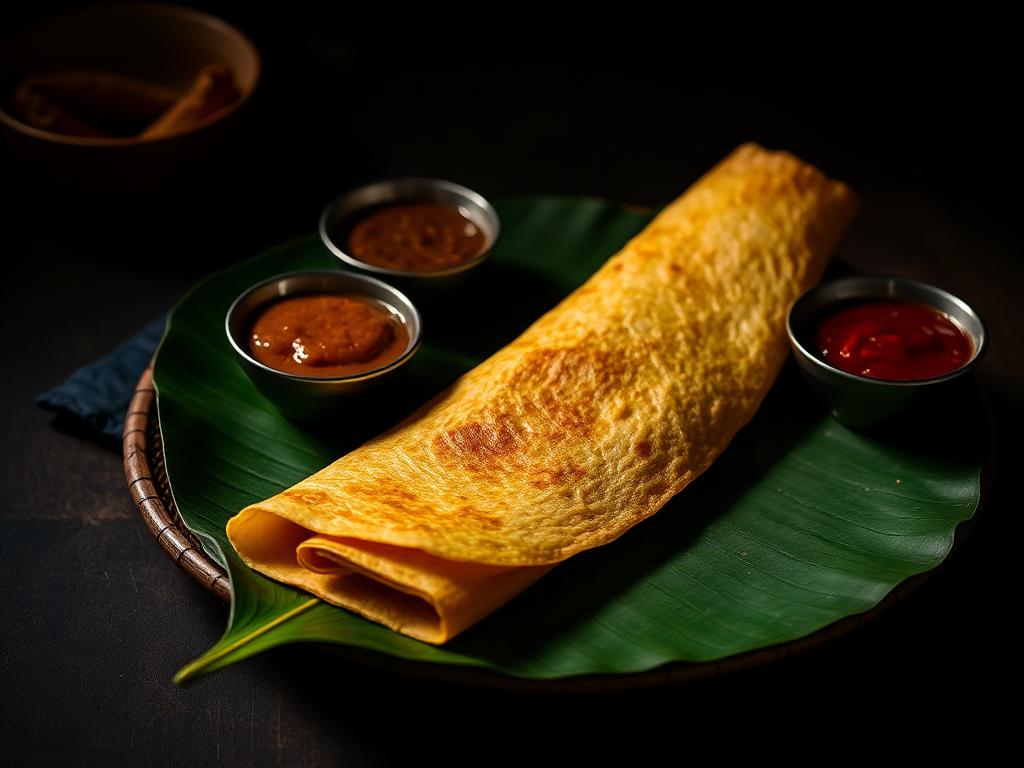
Deep-fried rice pancakes with coconut and shallots, a Malabar breakfast staple.
About this dish
Originating from the Mappila community of the Malabar coast, Neypathal (also known as Neypathiri) is a celebration of rice and coconut. Unlike the soft Pathiri, this version is deep-fried, resulting in a crispy exterior and a soft, flavorful core scented with shallots and cumin. It is a quintessential breakfast or snack item, especially during festive occasions like Eid or family gatherings in Northern Kerala.
Ingredients
Rice Base
- 500g (2.5 cups) Parboiled rice (Ponni or Matta rice), soaked for 4-5 hours
- 150g (1 cup) Freshly grated coconut
- 8-10 Small shallots, peeled and roughly chopped
- 1 tsp Cumin seeds (Jeerakam)
- 1 tsp Salt, adjust to taste
- 50ml Water, for grinding (use sparingly)
For Frying
- 500ml Coconut oil, for deep frying
- 1 tbsp Rice flour, for dusting if needed
Method
- 1
Grind the rice
Drain the soaked rice completely. Grind it in a heavy-duty mixer or stone grinder without adding much water; the moisture from the rice should suffice. The texture must be coarse, resembling fine semolina (Rava), not a smooth paste.
- 2
Incorporate aromatics
Add the grated coconut, shallots, and cumin seeds to the coarse rice. Pulse the grinder 2-3 times just until the coconut and shallots are crushed and well-distributed. Do not over-process, as the coconut will release too much oil and ruin the texture.
- 3
Knead the dough
Transfer the mixture to a large wide bowl and add salt. Knead firmly for 3-5 minutes until it forms a tight, non-sticky dough. If it feels too wet, add a tablespoon of rice flour, but the dough should ideally hold its shape naturally.
- 4
Portioning
Divide the dough into lemon-sized balls, roughly 40-50g each. Roll them between your palms until smooth and crack-free to prevent the pathal from breaking while frying.
- 5
Flatten the pathal
Grease a banana leaf or a plastic sheet with a drop of oil. Place a dough ball in the center and flatten it with your fingers into a disc of 3-inch diameter and 0.5cm thickness. Ensure the edges are smooth and even.
- 6
Heat the oil
Heat coconut oil in a deep kadai over medium-high heat. To test, drop a tiny piece of dough; it should sizzle and rise to the surface immediately. Ensure the oil is not smoking hot, or the pathal will brown before cooking inside.
- 7
First fry
Gently slide the flattened disc into the hot oil. Wait for 10-15 seconds for it to float to the top. Do not crowd the pan; fry only 2 or 3 at a time depending on the size of the kadai.
- 8
Puffing the pathal
Once it floats, gently press the top of the pathal with the back of a slotted spoon. This encourages it to puff up like a Poori. Flip it over carefully using the spoon.
- 9
Golden finish
Fry both sides until they turn a light golden brown and feel crisp to the touch. This usually takes about 2-3 minutes per batch. Drain on a paper towel to remove excess oil.
Notes & variations
- If using raw rice instead of parboiled, the pathal will be crunchier but may harden quickly.
- Ensure shallots are fresh; sprouted shallots can impart a bitter aftertaste.
- Leftover dough can be refrigerated for 24 hours but must be brought to room temperature before frying.
- Avoid adding water while grinding; use only a few drops if the blade gets stuck.
Serve with
Best served hot with Malabar Mutton Curry or a spicy Chicken Varutharacha Curry.
Cook's note
Adding a few curry leaves to the oil while frying imparts a traditional Kerala aroma to the pathal.