Southekayi Gasi
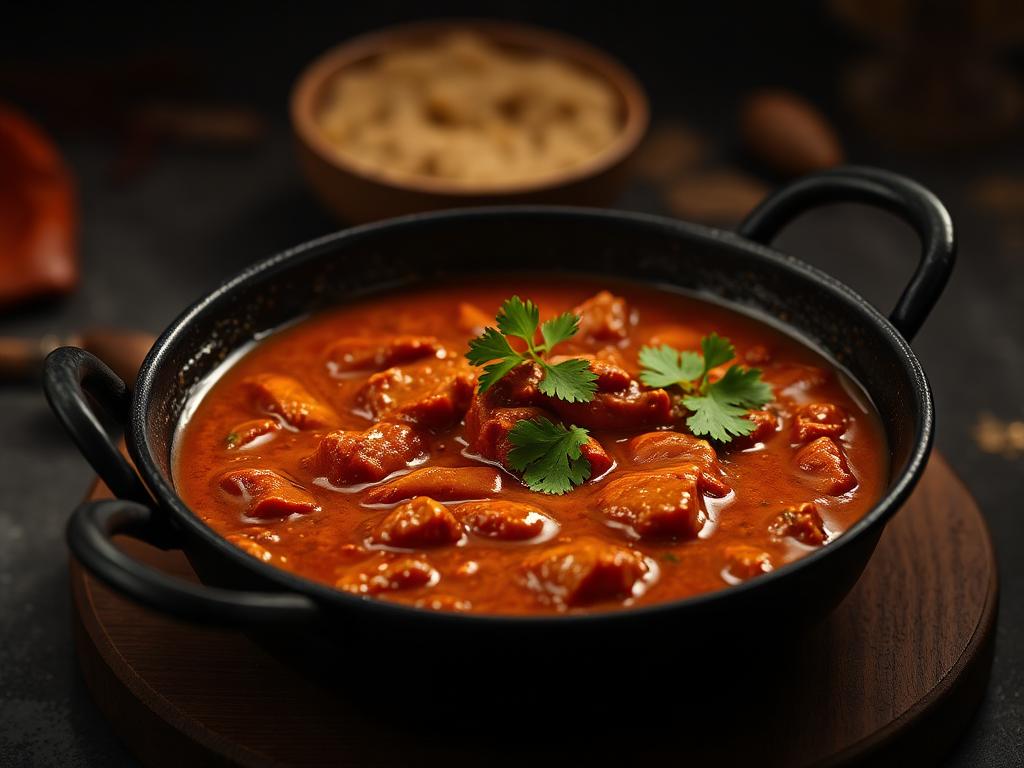
Mangalorean style yellow cucumber curry with coconut.
About this dish
Southekayi Gasi is a hallmark of Mangalorean Tuluva cuisine, specifically using the 'Magge' or Madras Cucumber, which is yellow-skinned and firm. This curry celebrates the coastal abundance of coconut and the specific heat of Byadagi chillies. It is a cooling, yet flavorful staple served in both homes and temples across the Dakshina Kannada region.
Ingredients
The Vegetable
- 500g Mangalore Cucumber (Magge), peeled, deseeded and cubed
- 1/2 tsp Turmeric powder
- 1 tsp Salt
- 1 cup Water
The Gasi Masala
- 1 cup Fresh coconut, grated
- 6-8 Dried Byadagi chillies (for color)
- 2-3 Guntur chillies (for heat)
- 1 tbsp Coriander seeds
- 1 tsp Cumin seeds
- 1/4 tsp Fenugreek seeds
- 1 small marble-sized Tamarind ball
- 2 cloves Garlic (optional, traditional in some homes)
The Tempering
- 1 tbsp Coconut oil
- 1 tsp Mustard seeds
- 2 Dried red chillies
- 10-12 Curry leaves
Method
- 1
Prepare the Cucumber
Peel the yellow skin of the cucumber, remove the pith and seeds, and cut into 1.5-inch chunks. In a pot, cook the cucumber with 1 cup of water, turmeric, and salt. Cover and simmer for 12-15 minutes until the pieces are tender and slightly translucent, but not falling apart.
- 2
Roast the Whole Spices
In a pan, dry roast the coriander seeds, cumin seeds, and fenugreek seeds on low heat until they release a nutty aroma. Add the dried chillies at the end and toast for a minute until they become crisp. Set aside to cool.
- 3
Grind the Masala Paste
Place the roasted spices, grated coconut, and tamarind into a blender. Add 1/2 cup of water and grind to a very smooth, fine paste. The paste should be bright red and have a velvety texture with no coconut grit remaining.
- 4
Simmer the Gravy
Pour the ground masala paste into the pot with the cooked cucumber. Stir well and add water to adjust the consistency to a medium-thick gravy. Bring the mixture to a gentle boil over medium heat.
- 5
Slow Cook for Flavor
Reduce the heat to low and let the curry simmer for 5-7 minutes. This allows the raw smell of the coconut to disappear and the spices to penetrate the cucumber chunks. Stir occasionally to prevent the bottom from scorching.
- 6
Check Seasoning
Taste the gravy. The tamarind should provide a subtle tang that balances the sweetness of the fresh coconut. Add more salt if needed. The cucumber should have absorbed the red hue of the Byadagi chillies.
- 7
Execute the Tempering
Heat coconut oil in a small ladle. Add mustard seeds and wait for them to pop. Add the dried red chillies and curry leaves; they should sizzle and turn bright green. This 'oggarna' is the soul of the dish.
- 8
Final Garnish
Pour the tempering over the curry. Close the lid immediately to trap the smoky coconut oil aroma. Let it rest for 5 minutes.
- 9
Final Texture Check
The Gasi should be thick enough to coat a spoon. If it looks too watery, simmer for 2 more minutes uncovered. If too thick, add a splash of boiling water.
Notes & variations
- If Mangalore cucumber is unavailable, use large yellow squash or ash gourd.
- Byadagi chillies are essential for the deep red color without excessive heat.
- Ensure the cucumber seeds are completely removed as they can be tough and bitter.
- For a vegan variation, ensure the jaggery used (if any) is processed without bone char.
Serve with
Serve with boiled red rice (Kaje Akki) or white rice and a side of vegetable stir-fry (Upkari).
Cook's note
Always grind the coconut masala with room temperature or cool water; using hot water can cause the coconut oil to separate prematurely, affecting the texture.