Anjal Masala Fry
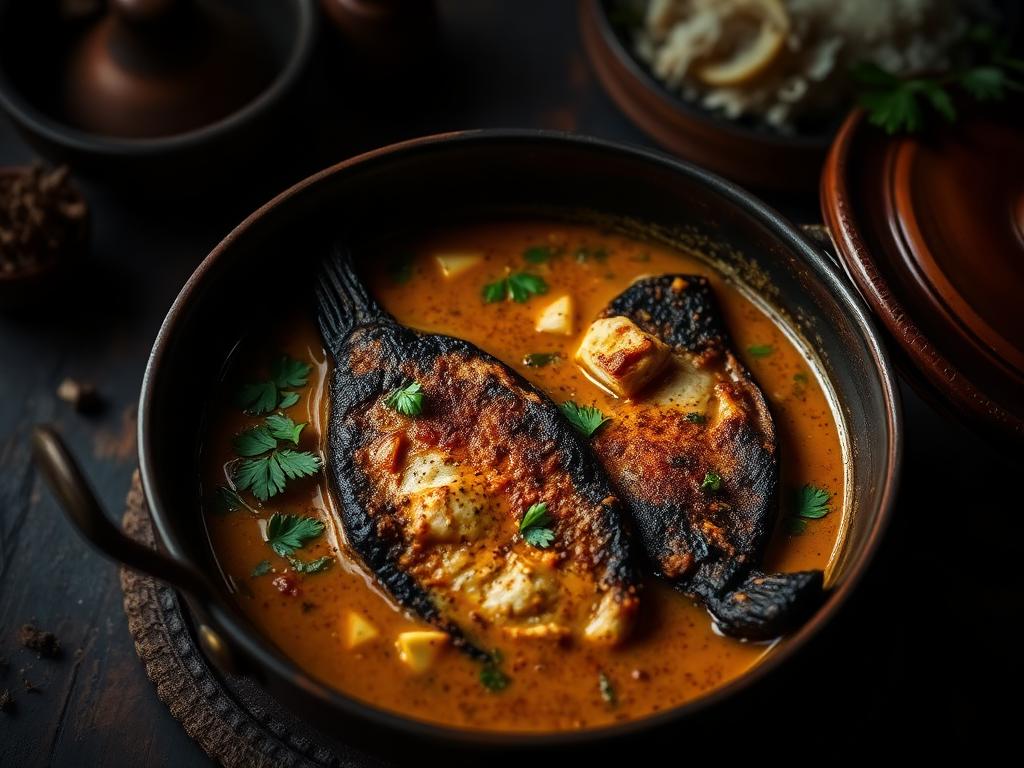
King fish steaks coated in a fiery, tangy red masala and shallow fried.
About this dish
Originating from the Tuluva community of coastal Mangaluru, Anjal Masala Fry is the gold standard of seafood in the region. King Fish (Anjal) is preferred for its firm texture that withstands the bold, vinegar-based Bydagi chili marinade. Unlike other fries, this relies on a thick 'masala paste' coating that caramelizes during shallow frying, creating a spicy, tangy crust that preserves the juice of the fish.
Ingredients
The Fish
- 500g King Fish (Anjal) steaks, 1-inch thick
- 0.5 tsp Turmeric powder
- 1 tsp Salt
Masala Paste
- 10-12 Bydagi dried red chilies, soaked in warm water
- 1 tbsp Coriander seeds
- 0.5 tsp Cumin seeds
- 0.25 tsp Peppercorns
- 4 cloves Garlic, peeled
- 1 inch Ginger, chopped
- 1 small ball Tamarind, soaked
- 1 tbsp Coconut vinegar or lemon juice
Frying
- 4 tbsp Coconut oil
- 2 sprigs Curry leaves
Method
- 1
Clean and Pre-salt
Wash the fish steaks thoroughly and pat them bone-dry with paper towels to ensure the masala sticks. Rub the fish with turmeric and half the salt, then set aside for 10 minutes to draw out excess moisture. This step ensures the fish stays firm and takes on the red color better.
- 2
Grind the Masala
In a stone grinder or high-speed blender, combine the soaked red chilies, coriander seeds, cumin, peppercorns, garlic, ginger, and tamarind pulp. Add the vinegar and a tiny splash of water, grinding into a very thick, smooth, vibrant red paste. The paste should be the consistency of peanut butter, not runny.
- 3
Marinate the Steaks
Generously coat each fish steak with the masala paste, ensuring the sides are covered. Use your fingers to press the masala into the flesh. Let it marinate for at least 30 minutes in the refrigerator; a longer marination ensures the spices penetrate the thick King Fish steaks.
- 4
Heat the Tawa
Place a heavy-bottomed iron griddle or non-stick pan over medium heat. Add 3 tablespoons of coconut oil and wait until it begins to shimmer but not smoke. The oil must be hot enough to sear the masala instantly, preventing it from sliding off the fish.
- 5
Initial Sear
Carefully place the fish steaks onto the pan, leaving space between them. Drop a few curry leaves into the oil around the fish for aroma. Fry on medium-high heat for 2-3 minutes without touching them until the bottom forms a dark red, crispy crust.
- 6
Flip with Care
Use a thin metal spatula to gently lift and flip the fish. The masala should be cooked through and adhering perfectly to the flesh. If the pan looks dry, drizzle another tablespoon of oil around the edges of the fish.
- 7
Slow Cook to Finish
Lower the heat to medium-low and cook for another 4-5 minutes. This ensures the center of the thick steak is opaque and cooked through while the exterior remains crisp. You will see the oil separating from the masala when it is perfectly done.
- 8
Resting
Transfer the fish to a serving plate and let it rest for 2 minutes. This allows the juices to redistribute, ensuring the fish is moist when bitten into. Avoid stacking them to maintain the crispness of the masala.
- 9
Final Garnish
Top with freshly fried curry leaves from the pan and a squeeze of lime if extra tang is desired. The aroma should be a mix of toasted chilies and nutty coconut oil.
Notes & variations
- If Bydagi chilies are unavailable, use a mix of Kashmiri and Guntur chilies for color and heat.
- Coconut oil is non-negotiable for the authentic Mangalorean flavor profile.
- Do not add onions or tomatoes to the masala as they release water and make the crust soggy.
- Store leftover marinated fish for up to 24 hours in the fridge before frying.
Serve with
Serve hot with boiled red rice (Kaje Arige) and a bowl of spicy Fish Curry or Dalitoy.
Cook's note
To check if the fish is done, press the center gently; it should feel firm and provide slight resistance.