Maharashtrian Masale Bhaat
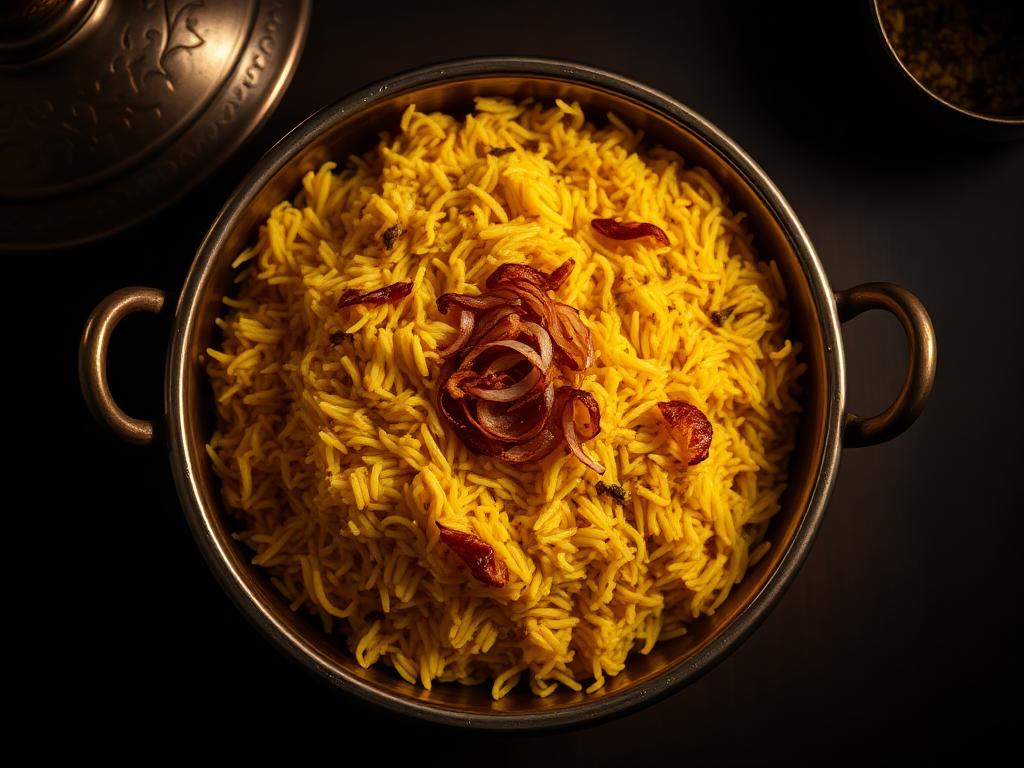
A fragrant ivy gourd and eggplant spiced rice traditionally served at weddings.
About this dish
Masale Bhaat is the quintessential centerpiece of Maharashtrian wedding feasts and religious festivities. Originating from the heart of the Desh region, it is distinguished by the use of Goda Masala, a unique spice blend containing stone flower (dagad phool) which lends a dark, earthy aroma. The dish traditionally features Tondli (Ivy Gourd) and Vangi (Eggplant), creating a hearty, festive one-pot meal that balances spice with the sweetness of fresh coconut.
Ingredients
The Rice and Vegetables
- 300g (1.5 cups) Ambemohar or Basmati rice, washed and soaked for 20 mins
- 150g (1 cup) Ivy Gourd (Tondli), slit lengthwise into quarters
- 150g (1 cup) Eggplant (Vangi), cut into 2-inch long wedges
- 500ml (2.5 cups) Hot water
- 2 tbsp Oil or Ghee
The Tempering and Spices
- 1 tsp Mustard seeds
- 1/2 tsp Cumin seeds
- 1/4 tsp Asafoetida (Hing)
- 10-12 Curry leaves
- 1/2 tsp Turmeric powder
- 2 tbsp Goda Masala (Authentic Maharashtrian blend)
- 1 tsp Red chili powder (Kashmiri or Reshampatti)
- Salt to taste
The Garnish
- 3 tbsp Freshly grated coconut
- 2 tbsp Finely chopped cilantro
- 1 tsp Ghee for drizzling
Method
- 1
Temper the aromatics
Heat 2 tablespoons of ghee or oil in a heavy-bottomed pot or pressure cooker over medium heat. Once the oil shimmers, add the mustard seeds and let them crackle completely; follow with cumin seeds, asafoetida, and curry leaves. Ensure the curry leaves become crisp but stay green to release their essential oils into the fat.
- 2
Sauté the vegetables
Add the slit ivy gourd and eggplant wedges to the tempering. Sauté on medium-high heat for 3-4 minutes until the edges of the vegetables start to turn golden brown and the skin of the eggplant softens slightly. This 'bhuna' process is crucial for preventing the vegetables from turning mushy during steaming.
- 3
Incorporate the spices
Lower the heat to minimum and add the turmeric, red chili powder, and the star ingredient—Goda Masala. Stir rapidly for 30 seconds to toast the spices without burning them; you should smell a deep, woody, and sweet aroma. If the spices look too dry, add a splash of water to form a thick paste around the vegetables.
- 4
Toast the rice
Drain the soaked rice thoroughly and add it to the pot. Gently stir the rice with the spiced vegetables for 2 minutes until every grain is coated in the dark masala and looks translucent. Be careful not to break the grains; use a folding motion from the bottom of the pot.
- 5
Simmer and steam
Pour in 2.5 cups of hot water and add salt. Bring the mixture to a rolling boil, then reduce the heat to the lowest possible setting. Cover with a tight-fitting lid (or use a pressure cooker for 2 whistles). If using a pot, cook for 12-15 minutes until the water is completely absorbed and small steam vents appear on the surface of the rice.
- 6
The resting phase
Turn off the heat but do not open the lid immediately. Let the rice sit undisturbed for at least 10 minutes; this allows the residual steam to finish cooking the core of the grains and ensures they remain separate and fluffy. Opening too early will cause the rice to become sticky.
- 7
Final fluffing
Open the lid and gently fluff the rice using a fork. Add a final teaspoon of raw ghee over the top to enhance the gloss and richness. Sprinkle the fresh grated coconut and chopped cilantro generously over the surface before serving.
Notes & variations
- If Goda Masala is unavailable, use a mix of 1.5 tbsp Garam Masala and 0.5 tbsp toasted coconut powder, though the flavor profile will shift.
- Ambemohar rice is preferred for its short grain and mango-blossom aroma, but Basmati is a valid substitute.
- Ensure the water is hot when adding to the rice to maintain the cooking temperature and prevent the rice from becoming gummy.
- Leftovers stay fresh in the fridge for 2 days; reheat by steaming to retain moisture.
Serve with
Serve hot with a side of cool Mattha (spiced buttermilk) and a dollop of spicy mango pickle.
Cook's note
Searing the ivy gourd first is key; it takes longer to cook than rice and needs that head start to reach a tender-crisp texture.