Maddur Massoppu
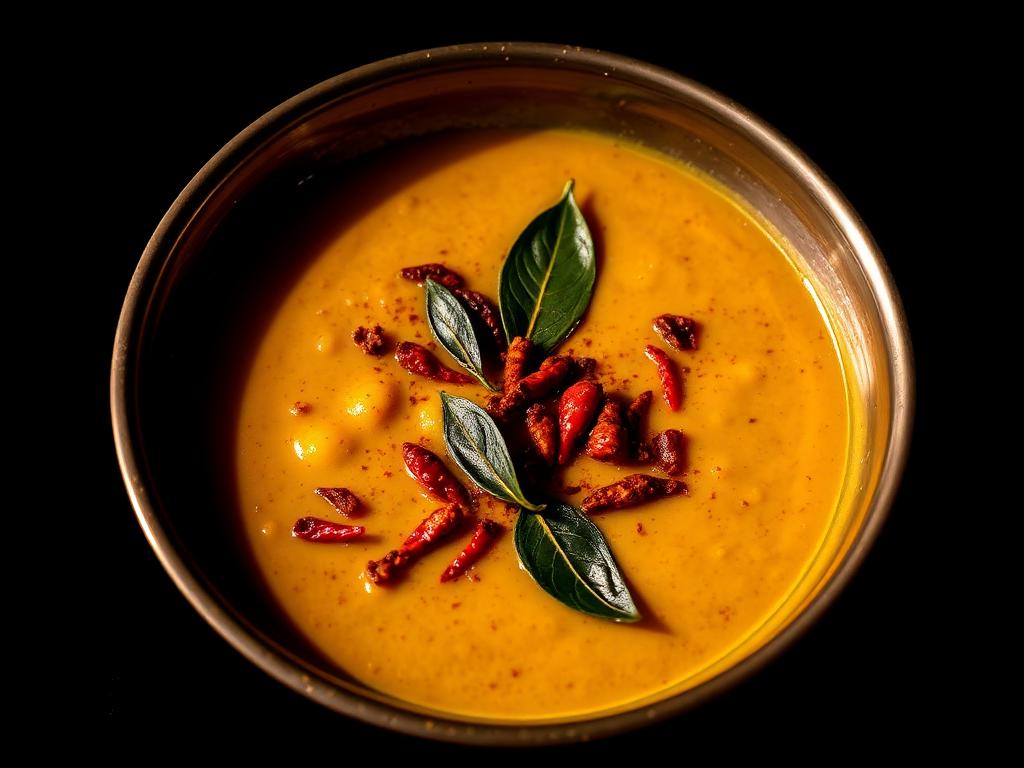
Mash-style greens cooked with lentils, a staple in Southern Karnataka.
About this dish
Originating from the rural heartlands of Mandya and Mysore, Massoppu is a nutritious 'mashed greens' delicacy that celebrates biodiversity. It traditionally uses a mix of at least five types of wild and cultivated greens, simmered with lentils to a buttery consistency. It is the quintessential comfort food of the Vokkaliga community, typically served for lunch to provide lasting energy for farm work.
Ingredients
The Greens and Dal
- 500g Mixed Greens (Amaranth, Spinach, Dill, Methi, Mustard), finely chopped
- 100g (1/2 cup) Toor Dal (Pigeon Peas), rinsed
- 50g (1/4 cup) Horse Gram or Moong Dal, rinsed
- 2 medium Tomatoes, quartered
- 1 large Onion, roughly chopped
- 6-8 Green Chillies, slit
- 1/2 tsp Turmeric powder
- 500ml Water
The Tempering (Oggarane)
- 2 tbsp Peanut Oil or Ghee
- 1 tsp Mustard seeds
- 1/2 tsp Cumin seeds
- 2 dried Red Chillies, broken
- 10-12 Curry leaves
- 8 cloves Garlic, crushed slightly
- 1/4 tsp Hing (Asafoetida)
- Salt to taste
Method
- 1
Pressure Cooking the Base
In a 5-liter pressure cooker, combine the rinsed dals, turmeric, and 500ml water. Place the mixed greens, chopped onions, tomatoes, and green chillies on top of the dal. Close the lid and cook on medium-high heat for 4-5 whistles until the lentils are completely mushy and the greens have wilted significantly.
- 2
Natural Pressure Release
Allow the steam to escape naturally for about 10-12 minutes; do not force the valve open as the residual heat continues to soften the fibers of the greens. Open the lid and carefully drain the excess water (kattu) into a separate bowl to be used later for consistency adjustment or as a soup.
- 3
The Mashing Process
Use a traditional wooden masher (Matthu) or a heavy whisk to vigorously mash the cooked greens and lentils. The goal is a homogenous, creamy texture where the individual leaves are no longer distinct, but avoid using a blender as it turns the dish gummy. Add salt at this stage.
- 4
Adjusting Consistency
Gradually add back the reserved cooking water until you reach a thick, flowable consistency similar to a heavy porridge. Place the pot back on low heat and let it simmer for 3-4 minutes, allowing the flavors to meld while you prepare the tempering.
- 5
Preparing the Tempering
Heat oil or ghee in a small pan over medium heat. Once shimmering, add mustard seeds and let them crackle completely. Add cumin seeds and dried red chillies, frying for 10 seconds until the chillies darken slightly but do not burn.
- 6
Aromatizing with Garlic
Add the crushed garlic cloves and sauté until they turn a golden brown hue and release a pungent, nutty aroma. Immediately add the curry leaves and hing, watching for the leaves to turn crisp and vibrant green.
- 7
Final Integration
Pour the hot tempering over the mashed greens mixture. You should hear a loud sizzle, which signifies the infusion of fats into the water-based mash. Stir gently to incorporate the aromatics throughout the Massoppu.
- 8
Resting the Dish
Cover the pot with a tight lid and let it sit for at least 5 minutes before serving. This 'resting' period allows the garlic and cumin aromas to penetrate the dense fiber of the greens, resulting in a deeper flavor profile.
- 9
Quality Check
Taste for salt and spice; the heat from the green chillies should be balanced by the earthiness of the dal. If too thick, add a splash of hot water; if too thin, simmer uncovered for another 2 minutes.
Notes & variations
- Include at least 15-20% Dill leaves (Sabsige) for the most authentic Mysore-style aroma.
- The discarded cooking water is highly nutritious and can be seasoned with pepper to make 'Massoppu Kattu' soup.
- Leftovers can be stored in the fridge for 2 days; the flavor often improves the next day.
- Always mash while the greens are hot; cold greens become resilient and hard to break down.
Serve with
Serve hot with Ragi Mudde (Finger Millet balls) or steamed Sona Masuri rice and a dollop of ghee.
Cook's note
Never skip the garlic in the tempering; it is the primary flavor bridge between the earthy greens and the bland lentils.