Punjabi Moong Dal Khichdi
Comforting one-pot meal of rice and split moong dal, heavily tempered with ghee.
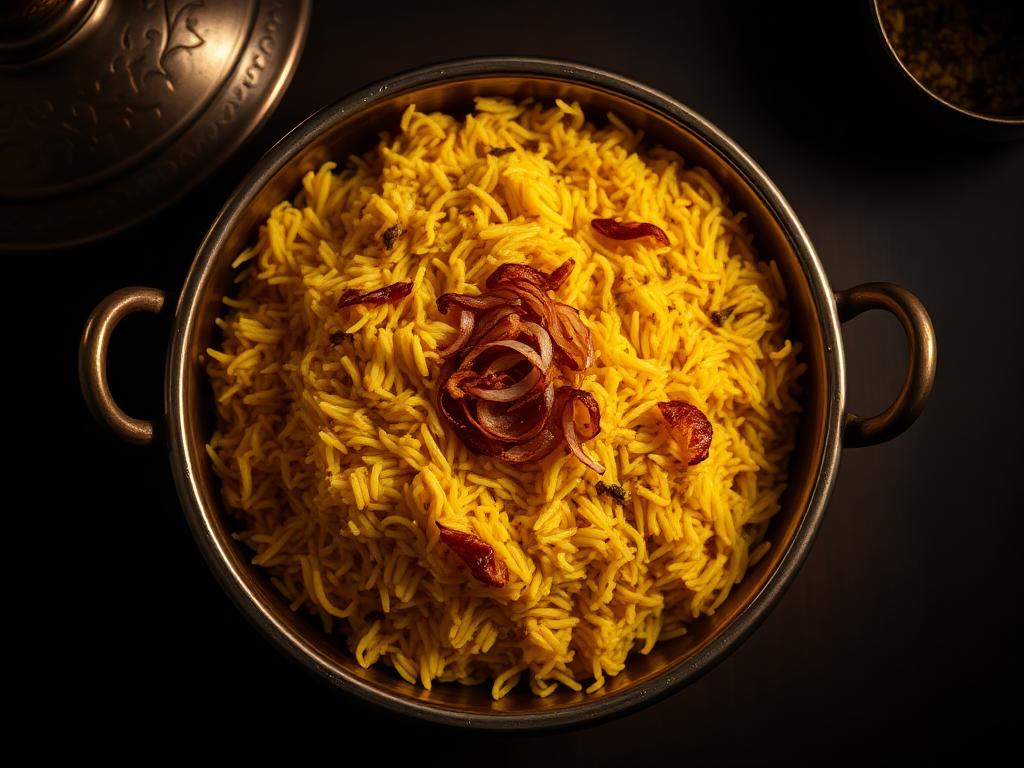
About this dish
While khichdi is found across India, the Punjabi version is distinguished by its 'khila-khila' (separated grain) texture and a heavy, smoky ghee tadka. Often served during the monsoon or as a soothing meal after heavy festival food, it is considered the ultimate Ayurvedic comfort dish. The addition of black peppercorns and cloves provides a subtle warmth unique to the northern plains.
Ingredients
The Grains
- 200g (1 cup) Basmati rice, soaked for 20 mins
- 100g (1/2 cup) Split yellow moong dal, soaked for 20 mins
- 750ml (3 cups) Water
- 1/2 tsp Turmeric powder
- 1 tsp Salt
The Tempering (Tadka)
- 3 tbsp Desi Ghee
- 1 tsp Cumin seeds
- 4 Black peppercorns, crushed
- 2 Cloves
- 1 medium Onion, finely sliced
- 1/2 inch Ginger, grated
- 1/4 tsp Hing (Asafoetida)
Method
- 1
Rinse and Soak
Wash the rice and dal together under cold running water until the water runs clear. Soak them in plenty of water for 20-30 minutes; this ensures the grains expand fully and cook evenly.
- 2
Pressure Cook
Drain the soaking water. Place the rice, dal, turmeric, salt, and 3 cups of fresh water into a pressure cooker. The 3:1 water-to-grain ratio creates a soft but not mushy consistency.
- 3
Timing the Cook
Close the lid and cook on medium-high heat. Allow for 2-3 whistles, then turn off the heat. Let the pressure release naturally; forcing the steam out can break the delicate rice grains.
- 4
Prepare the Ghee Tadka
While the pressure releases, heat ghee in a small pan until very hot. Add cumin seeds, peppercorns, and cloves. When they start to dance and release their oils, add the hing.
- 5
Sauté the Aromatics
Add the sliced onions to the ghee. Fry them over medium heat until they are golden brown and caramelized around the edges. Add the grated ginger at the very end to prevent it from turning bitter.
- 6
The Sizzle
Open the pressure cooker. The rice and dal should be perfectly blended. Pour the sizzling hot ghee and onion mixture directly over the khichdi. You should hear a distinct 'shh' sound.
- 7
Gentle Folding
Use a silicone spatula or the back of a spoon to gently fold the tadka into the rice. Do not stir vigorously, or you will turn the khichdi into a paste; you want to maintain the grain definition.
- 8
Adjust Consistency
If the khichdi looks too dry, add 1/2 cup of boiling water and stir gently. Never add cold water at this stage as it ruins the texture and temperature balance.
- 9
Resting and Aroma
Cover the pot for 2 minutes before serving. This allows the steam to distribute the smokiness of the ghee and the sweetness of the fried onions throughout the dish.
Notes & variations
- For a healthier version, use split green moong dal (with skin), though the color will be darker.
- Use aged Basmati rice for the best aroma and non-sticky results.
- You can add finely chopped carrots or beans during the boiling stage for extra nutrition.
- Leftover khichdi can be tempered again with a little garlic and chili flakes for a 'Tadka Khichdi' breakfast.
Serve with
Roasted papad, spicy mango pickle, and a large dollop of extra ghee.
Cook's note
Always fry the onions until they are truly golden-brown; the sweetness of caramelized onions is what defines a Punjabi khichdi over other regional versions.