Punjabi Shami Kebab
Silky smooth melt-in-the-mouth patties made of mutton and chana dal.
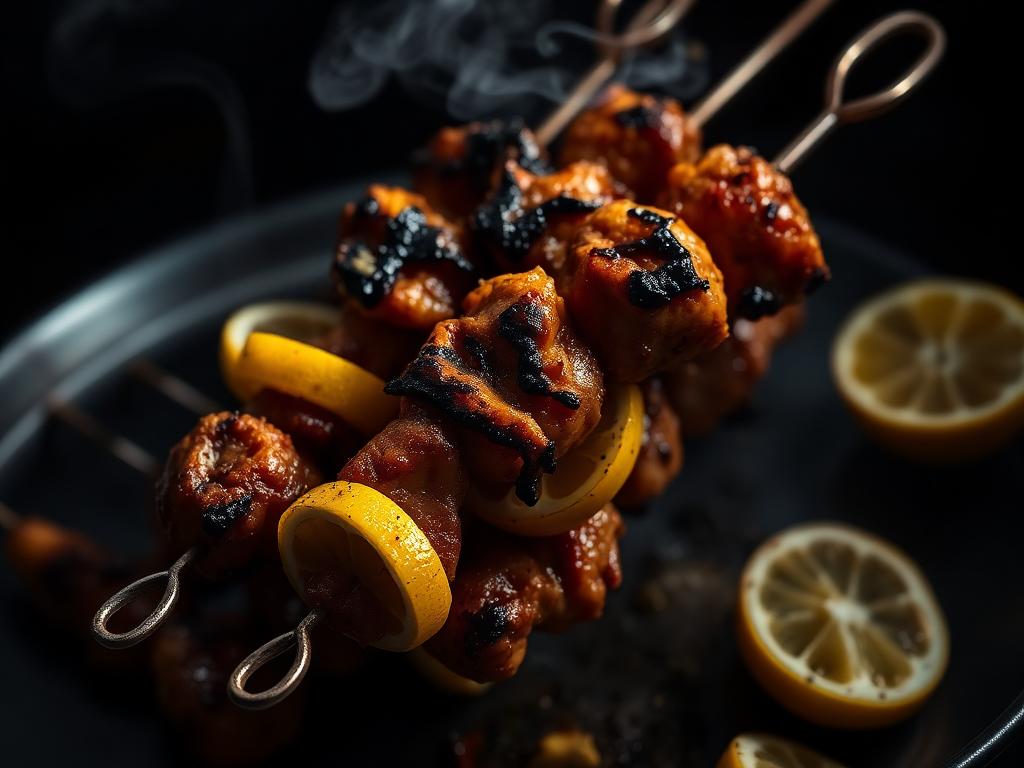
About this dish
Originating from the royal kitchens of the Mughals but deeply integrated into Punjabi festive culture, Shami Kebabs are prized for their 'Resha' or silky fiber. Unlike modern patties, these are never ground raw; the meat is slow-cooked with lentils until falling apart before being pulsed. They are typically served as a sophisticated appetizer during Eid celebrations or high-tea gatherings in Amritsar and Ludhiana.
Ingredients
Pressure Cooking
- 500g Mutton boneless, cut into 1-inch cubes
- 150g (3/4 cup) Chana Dal, soaked for 2 hours
- 1 medium Onion, roughly sliced
- 2-inch piece Ginger, sliced
- 8-10 cloves Garlic, whole
- 2 Black Cardamoms, 4 Green Cardamoms, 1 Cinnamon stick, 6 Peppercorns
- 1 tsp Salt
- 375ml (1.5 cups) Water
The Paste and Finish
- 2 Green chillies, finely chopped
- 1/2 cup Fresh Cilantro, finely chopped
- 1/4 cup Mint leaves, finely chopped
- 1 tsp Garam Masala
- 1 Egg, lightly beaten
- 4 tbsp Ghee for shallow frying
Method
- 1
Pressure Cooking the Mix
Combine the mutton, soaked dal, whole spices, onion, ginger, and garlic in a pressure cooker with 1.5 cups of water. Cook on medium-high for 1 whistle, then lower the heat to simmer for 20-25 minutes until the mutton is extremely tender and the water is completely absorbed. If water remains after opening, cook it off on high heat while stirring constantly to avoid burning the lentils.
- 2
Cooling and Removing Spices
Spread the cooked mixture on a large flat tray to cool to room temperature. It is crucial to remove the large whole spices like the cinnamon stick and black cardamom husks at this stage to prevent a gritty texture. The mixture should look dry and fibrous, not mushy or wet.
- 3
Grinding the Meat
Once cooled, grind the mixture in a food processor or a traditional sil-batta (stone grinder). Pulse until you achieve a smooth, fine paste where the meat fibers are broken down but the mixture holds its shape. Do not add water during grinding, as this will prevent the kebabs from holding their form during frying.
- 4
Incorporating Aromatics
Transfer the paste to a mixing bowl and add the chopped green chillies, cilantro, mint, and garam masala. Adjust salt if necessary. Knead the mixture by hand for 2-3 minutes to ensure the herbs are evenly distributed and the oils from the meat bind the spices together.
- 5
Adding the Binder
Add the lightly beaten egg to the mixture. This acts as a binder and creates a protective coating that prevents the delicate kebab from breaking. The mixture should feel tacky but not sticky; if it feels too soft, refrigerate for 30 minutes to firm up.
- 6
Shaping the Patties
Grease your palms with a little oil. Take a lemon-sized portion of the mix and roll it into a ball, then flatten it into a 2-inch disc about 1/2 inch thick. Ensure there are no cracks on the edges by smoothing them with your finger to prevent oil seepage.
- 7
Initial Searing
Heat 2 tablespoons of ghee in a heavy-bottomed non-stick or cast-iron skillet over medium heat. Place 4-5 kebabs at a time, ensuring you do not overcrowd the pan. Let them sear undisturbed for 2-3 minutes until a dark golden-brown crust forms on the bottom.
- 8
Flipping Carefully
Using a thin flat spatula, gently flip the kebabs. Because the meat is already cooked, you are only looking to develop a crisp exterior and heat the center. The aroma should be nutty from the ghee and toasted lentils.
- 9
Final Browning
Cook the second side for another 2 minutes. The kebabs should be crisp on the outside and melt-in-the-mouth soft on the inside. If they feel too soft to flip, reduce the heat and let them firm up for an extra minute.
- 10
Resting and Serving
Drain the kebabs on a paper towel for only 30 seconds to remove excess ghee. Serve immediately while hot, as the fats in the mutton will solidify as they cool, losing that signature silky texture.
Notes & variations
- If the mixture is too wet to shape, add 1-2 tbsp of roasted chickpea flour (besan) to tighten it.
- You can freeze the shaped raw patties between parchment paper for up to a month.
- Always use mutton with a little fat (20%) for the best 'melt-in-mouth' results.
- For a smoky flavor, use the dhungar method (charcoal smoke) on the ground paste before shaping.
Serve with
Serve with thin rings of red onion and a sharp mint-yogurt chutney.
Cook's note
The secret is the water ratio; the mixture must be dry enough to pull away from the sides of the pot after cooking.