Mysore Rasam
Hailing from the royal kitchens of the Wodeyars, Mysore Rasam is the sophisticated sibling of the standard Saaru.
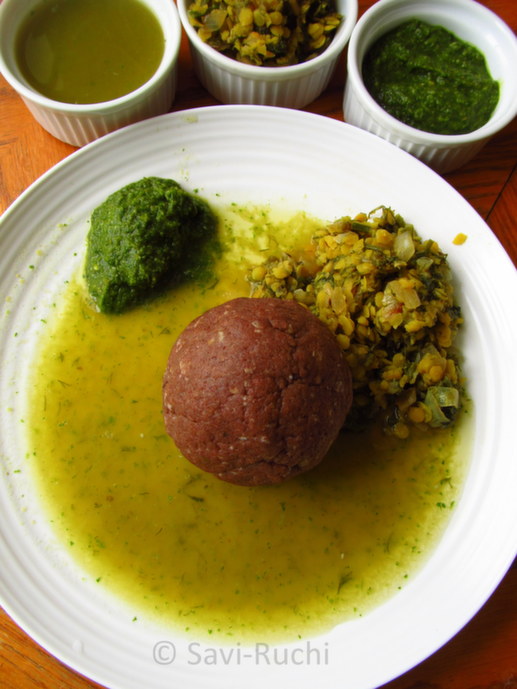
About this dish
Hailing from the royal kitchens of the Wodeyars, Mysore Rasam is the sophisticated sibling of the standard Saaru. It is characterized by the addition of a fresh-ground spice paste (rather than dry powder) and a unique hint of sweetness from jaggery. It is lighter than a soup but more complex than a broth, often served as a middle course in a formal meal.
Ingredients
Base Broth
- 1/2 cup Toor dal (Pigeon peas)
- 2 medium Tomatoes, chopped
- 1/2 tsp Turmeric powder
- 1 small ball Tamarind, soaked in 1/2 cup warm water
- 1 tbsp Jaggery (powdered)
- 1 sprig Curry leaves
Fresh Mysore Rasam Paste
- 2 tsp Ghee
- 1 tbsp Coriander seeds
- 1 tsp Cumin seeds
- 1/2 tsp Black peppercorns
- 1/2 tsp Chana dal
- 4-5 Dry Byadagi chillies
- 2 tbsp Fresh grated coconut
Tempering
- 1 tbsp Ghee
- 1 tsp Mustard seeds
- A pinch of Hing (Asafoetida)
- Fresh coriander leaves, for garnish
Method
- 1
Pressure Cook Dal
Rinse the toor dal and pressure cook with 1.5 cups of water and turmeric for 4-5 whistles until completely soft. Whisk the dal into a smooth, watery consistency using a wire whisk or a traditional wooden mathani.
- 2
Simmer Tamarind and Tomato
In a deep pot, extract the tamarind juice and add it along with chopped tomatoes, curry leaves, salt, and 2 cups of water. Boil on medium heat for 10-12 minutes until the raw smell of tamarind disappears and tomatoes soften.
- 3
Roast Spices for Paste
Heat 2 tsp ghee in a small pan. Fry chana dal until golden, then add coriander seeds, cumin, peppercorns, and chillies. Roast until fragrant and the chillies darken slightly. Avoid high heat to prevent scorching the pepper.
- 4
Grind the Masala
Grind the roasted spices with fresh coconut and a splash of water to form a smooth, thick paste. The coconut provides the body and the signature 'Mysore' sweetness and richness to the broth.
- 5
Combine Dal and Tamarind
Add the whisked dal to the boiling tamarind-tomato mixture. Stir well and bring back to a gentle simmer. If the mixture is too thick, add half a cup of hot water; rasam should be thin and pourable.
- 6
Add Fresh Paste
Stir in the ground spice paste and the jaggery. Lower the heat immediately. The aroma will shift from sour to deeply aromatic and spicy as the fresh coconut paste hits the hot liquid.
- 7
The Frothing Stage
Watch the pot closely. Do not let the rasam boil vigorously after adding the paste; instead, let it reach a stage where a thick white froth (nure) forms on the surface. This is the exact moment to turn off the heat to preserve the delicate aromas.
- 8
Final Tempering
Heat ghee in a small ladle. Add mustard seeds and let them pop. Add hing and quickly pour the sizzling tempering over the rasam. Cover with a lid immediately to trap the aromas for at least 5 minutes.
- 9
Garnish
Uncover and stir in a generous handful of finely chopped fresh coriander. The final consistency should be light enough to drink from a cup but rich enough to coat a spoon.
Notes & variations
- Always use fresh coconut; desiccated coconut will make the rasam oily and grainy.
- The jaggery is non-negotiable for the Mysore style; it balances the tartness of the tamarind.
- If you want a clearer rasam, strain the tamarind water carefully before adding tomatoes.
- Leftover rasam can be used as a base for a spicy clear soup.
Serve with
Hot rice and a dollop of ghee, or as a digestive drink after a heavy meal.
Cook's note
The secret to a perfect rasam is never boiling it hard once the dal and masala are added; 'frothing' is the key technique.