Nimbu da Achaar
Oil-free spicy and sour fermented lemon pickle.
About this dish
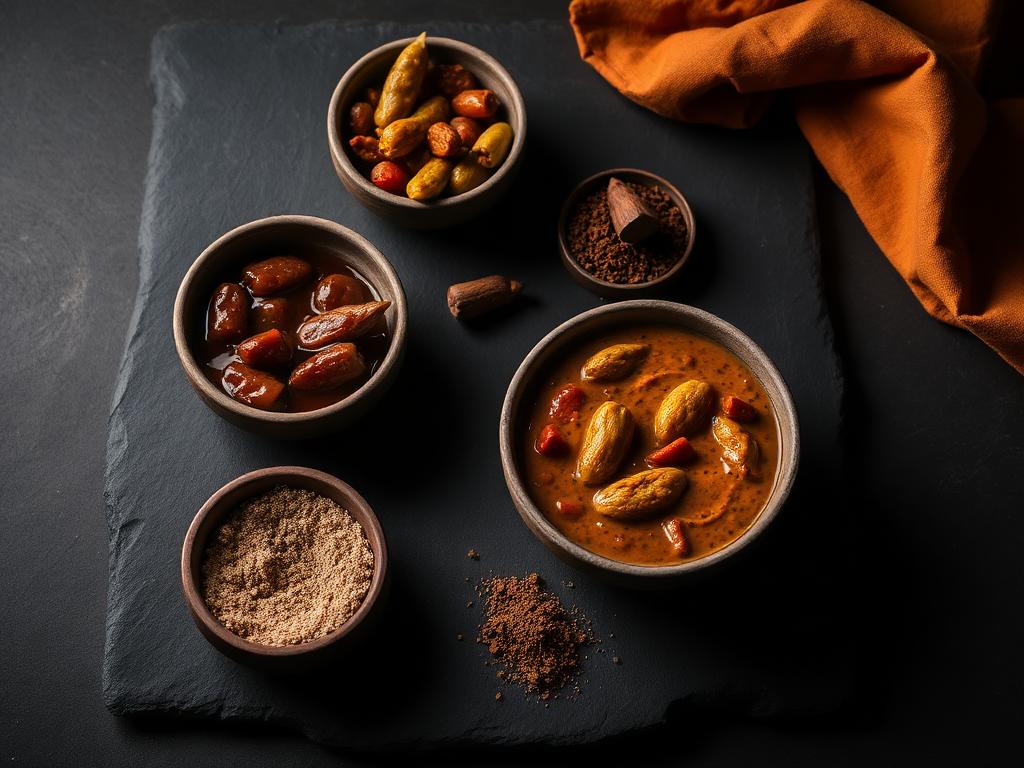
This traditional Punjabi oil-free lemon pickle is prized for its medicinal properties and its ability to age for years. Unlike many Indian pickles that rely on mustard oil, this variety uses the acidity of the lemons and sun-fermentation to preserve the fruit. Over time, the skins soften into a jam-like consistency and the spices deepen into a dark, complex savory-sweet relish.
Ingredients
The Fruit
- 500g (approx 12-15) Thin-skinned Kagzi Lemons
- 50g (1/4 cup) Sea salt or Rock salt
The Spice Blend
- 20g (2 tbsp) Carom seeds (Ajwain)
- 15g (1.5 tbsp) Black salt (Kala Namak)
- 10g (1 tbsp) Black peppercorns, coarsely cracked
- 5g (1 tsp) Cloves, crushed
- 5g (1 tsp) Cinnamon powder
- 20g (2 tbsp) Deggi Mirch (mild red chili powder for color)
Method
- 1
Sterilize and Dry
Wash the lemons thoroughly and dry them completely with a clean kitchen towel. It is critical that no moisture remains on the skins, as water is the enemy of pickling and will cause mold. Let them air-dry on a tray for 2 hours before proceeding.
- 2
Cut the Lemons
Cut each lemon into 4 or 8 wedges depending on size. If you want a traditional look, cut them into quarters but leave the base attached so the lemon opens like a flower. Remove any visible seeds, as they can impart a bitter taste during the long fermentation process.
- 3
Initial Salt Cure
Toss the lemon pieces with the sea salt in a large glass or ceramic bowl. The salt acts as the primary preservative and draws out the juice to create the pickling brine. Mix well using a non-reactive spoon (wood or plastic).
- 4
Toast the Spices
In a small pan over low heat, lightly toast the carom seeds and black peppercorns for 30 seconds until fragrant. Do not brown them; you only want to release the essential oils. Allow them to cool before coarsely grinding them in a mortar and pestle.
- 5
Mix the Masala
Add the toasted spices, black salt, cloves, cinnamon, and red chili powder to the salted lemons. Stir vigorously until every piece of lemon is coated in the dark, pungent spice mixture. The black salt provides the characteristic 'tangy' aroma common in Punjabi pickles.
- 6
Jarring
Transfer the mixture into a sterilized glass jar with a non-metallic lid. Ensure the jar is only 3/4 full to allow for the gases produced during fermentation. Press the lemons down firmly so they are submerged in their own juices.
- 7
Sun Fermentation
Place the jar in a sunny spot (windowsill or balcony) for 10-15 days. Shake the jar once every day to redistribute the juices and spices. The sunlight softens the lemon rinds and mellows the harshness of the spices.
- 8
Texture Check
After 10 days, check the rind of a lemon; it should be soft enough to cut with a spoon. If it is still tough, leave it in the sun for another 5 days. The liquid should have thickened into a thin syrup.
- 9
Aging Process
Move the jar to a cool, dark cupboard once the lemons are soft. While it can be eaten immediately, the flavor peaks after 3 months of aging, when the juices turn dark brown and the skins become melt-in-the-mouth tender.
Notes & variations
- Always use a dry spoon to take out the pickle to prevent spoilage.
- Thin-skinned (Kagzi) lemons are preferred as thick rinds take much longer to soften and can be bitter.
- You can add 50g of sugar after the first 10 days if you prefer a 'Khatta Meetha' (sour-sweet) version.
- This pickle does not require refrigeration and will last for 2-3 years.
Serve with
A simple meal of Dal-Chawal or stuffed Parathas.
Cook's note
If the lemons don't release enough juice to cover themselves, squeeze 2 extra lemons and add the juice to the jar.