Paal paniyaram Recipe
Tiny rice-and-urad dumplings softened in sweet, cardamom-scented coconut milk.
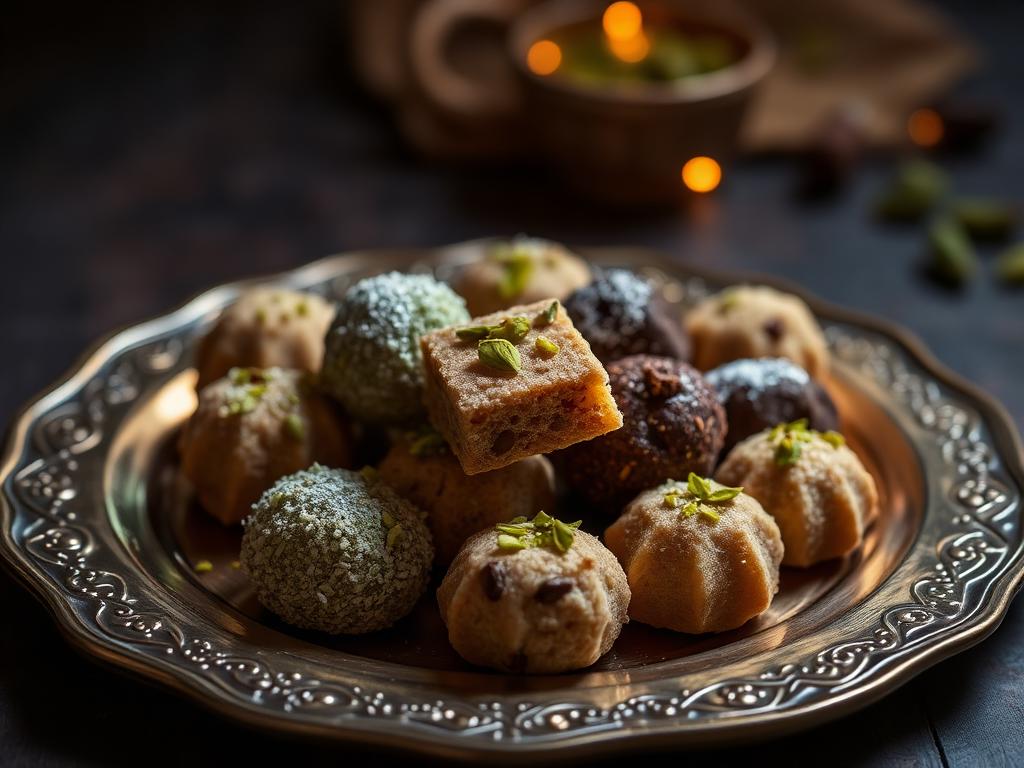
About this dish
Paal paniyaram is a cherished Chettinad sweet served at celebrations, wedding-related meals and family feasts. Small rice-and-urad dumplings are fried pale and soaked until tender in sweetened milk. Coconut milk is central to many Chettiar versions, while some households blend it with dairy milk. This version uses coconut milk alone for a delicate, fragrant finish.
Ingredients
Paniyaram batter
- 100 g raw white rice (1/2 cup)
- 100 g whole skinned urad dal (1/2 cup)
- 720 ml water for soaking the grains, discarded afterward (3 cups)
- 90–150 ml cold water for grinding (3/8–5/8 cup)
- 1 g fine salt (1/8 teaspoon)
Sweet coconut milk
- 480 ml thin, second-extraction coconut milk (2 cups)
- 240 ml thick, first-extraction coconut milk (1 cup)
- 90 g granulated sugar (scant 1/2 cup)
- 0.5 g ground green cardamom (1/4 teaspoon)
Frying and softening
- 750 ml neutral frying oil (3 cups plus 2 tablespoons)
- 960 ml warm water for briefly softening the fried dumplings (4 cups)
Method
- 1
Soak the rice and urad
Rinse the rice and urad dal separately, then soak them in separate bowls using the measured soaking water. Leave without heat for 2 hours, ensuring both remain submerged. The urad should become swollen and the rice should lose its hard, glassy feel.
- 2
Grind the batter finely
Drain well and grind the urad first with about 60 ml cold water until fluffy, then grind the rice finely with another 30 ml. Combine and grind briefly if necessary, adding the remaining water only in small spoonfuls. Allow 10–12 minutes overall and keep the batter cool, thick and smooth enough to drop as small rounded dollops.
- 3
Aerate without fermenting
Add the salt and beat the combined batter by hand for 2–3 minutes. It should become a little lighter and hold a soft mound instead of spreading into a puddle. Keep covered off the heat while making the coconut milk mixture; this batter does not need fermentation.
- 4
Sweeten the thin coconut milk
Place the thin coconut milk and sugar in a saucepan over low heat. Stir for 3–4 minutes until the sugar dissolves and the milk is warm, but do not let it boil. Remove from the heat and stir in the cardamom, keeping the thick coconut milk separate for now.
- 5
Prepare the frying and softening stations
Heat the oil in a deep kadai over medium heat for 5–7 minutes to approximately 165–170°C. Place the warm softening water, about 45–50°C, in a wide heatproof bowl beside the stove. A tiny drop of batter should rise steadily in the oil without turning brown immediately.
- 6
Fry small pale dumplings
Drop small teaspoonfuls of batter into the oil, keeping them roughly 1.5–2 cm across and leaving room between them. Fry over medium to medium-low heat for 2–3 minutes, turning gently so they cook evenly while staying pale cream to very light gold. Open a test dumpling to ensure the centre is spongy and set, not wet or floury.
- 7
Briefly soften each batch
Drain each fried batch for about 30 seconds, then place it in the warm water for 1–2 minutes off the heat. Lift out with a slotted spoon and press very gently between two spoons to remove excess water without crushing the dumplings. Transfer immediately to the warm sweetened thin coconut milk so they begin absorbing flavour.
- 8
Add the rich coconut milk
Continue frying and softening the remaining batter, maintaining the same moderate oil temperature. When all the dumplings are in the sweetened milk and the mixture is lukewarm, fold in the thick coconut milk over about 1 minute. Do not return it to the heat, since boiling thick coconut milk can make it separate.
- 9
Let the paniyaram absorb the milk
Cover and rest off the heat for 30 minutes, gently turning the dumplings once halfway through. They should become tender and lightly swollen, with sweet coconut milk reaching the centre. Serve at room temperature, or refrigerate promptly after soaking if you prefer them cool.
Notes & variations
- All cups are 240 ml; this makes approximately 40–50 small dumplings, depending on how much batter is dropped each time.
- For a canned-coconut-milk alternative, use 240 ml full-fat coconut milk mixed with 240 ml water as the thin milk, plus 240 ml undiluted coconut milk for finishing.
- The brief warm-water dip is a household technique for softer dumplings; avoid prolonged soaking, which can make them fragile and watery.
- Fresh coconut milk is perishable: refrigerate within 2 hours of preparation, or within 1 hour in temperatures above 32°C, and eat within 24 hours for best quality.
Serve with
Serve in small bowls with plenty of the sweet coconut milk, as a dessert or festive sweet course.
Cook's note
Keep the dumplings small and the grinding water minimal so they fry into light sponges rather than dense, oily balls.