Pala Thalikalu
Rice flour noodles cooked in sweetened, thickened milk.
About this dish
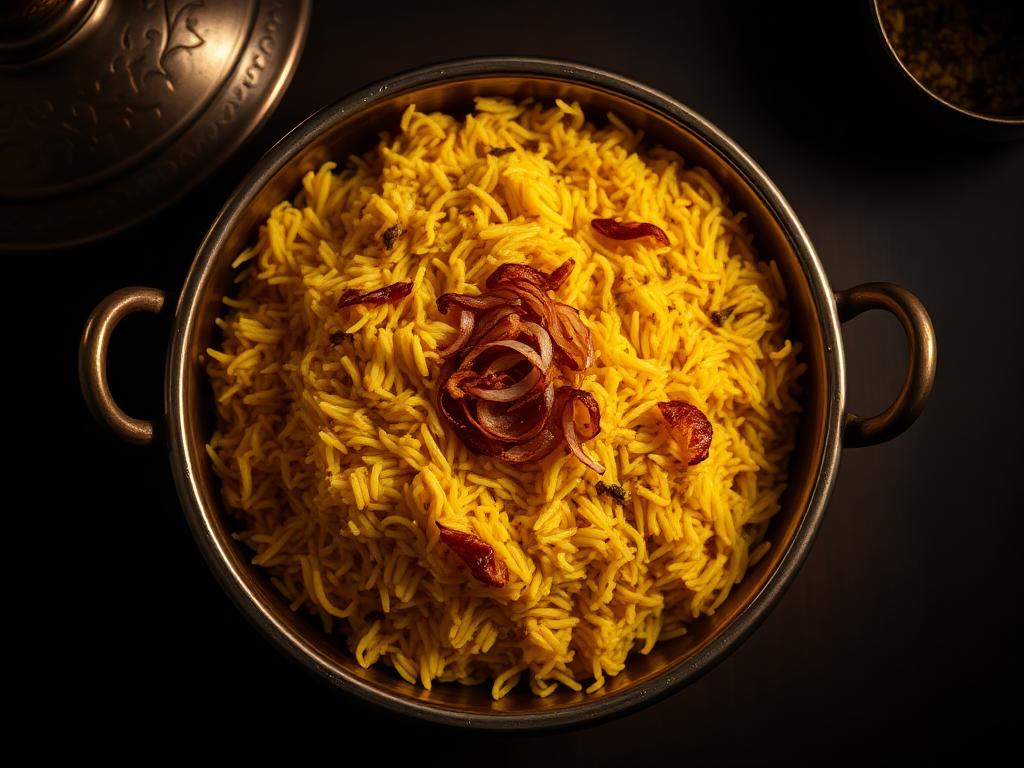
Pala Thalikalu is a traditional festive dessert from the Telugu-speaking regions including Hyderabad, commonly prepared during Vinayaka Chavithi. It features handmade rice flour noodles (thalikalu) cooked in a pool of sweetened, cardamom-scented milk. Unlike standard kheer, its distinctiveness lies in the texture of the noodles and the use of jaggery, which provides a deep, earthy sweetness and a characteristic golden hue.
Ingredients
For the Rice Noodles
- 1 cup (150g) Rice flour, fine and sifted
- 1 tbsp (15g) Ghee
- 1.25 cups (300ml) Water
- 1 pinch Salt
For the Sweet Milk Base
- 1 liter (4 cups) Full cream milk
- 1.5 cups (300g) Jaggery, grated
- 0.5 tsp Cardamom powder
- 2 tbsp (30ml) Water, for jaggery syrup
- 2 tbsp (30g) Ghee
- 10-12 Cashew nuts, halved
- 1 tbsp Golden raisins
Method
- 1
Prepare the Dough
In a heavy-bottomed pan, bring 1.25 cups of water to a boil with a pinch of salt and 1 teaspoon of ghee. Lower the heat to minimum and gradually stir in the rice flour, mixing vigorously to avoid lumps until it forms a soft dough ball. Cover and let it rest for 5 minutes to allow the steam to cook the starch further.
- 2
Shape the Thalikalu
While the dough is still warm, grease your palms with ghee and knead it until smooth. Take small portions and roll them between your palms to form thin, 2-inch long tapered noodles or 'thalikalu'. Place them on a plate dusted with a little rice flour so they do not stick together.
- 3
Boil the Milk
Pour the full cream milk into a wide, thick-bottomed vessel and bring to a boil over medium-high heat. Reduce the heat to medium and let it simmer for 10-12 minutes until it reduces slightly and thickens. Stir frequently to prevent the bottom from scorching or a thick skin forming on top.
- 4
Cook the Noodles
Gently drop the shaped rice noodles into the boiling milk one by one, ensuring you do not overcrowd the pot. Do not stir immediately as the noodles are fragile; let them cook undisturbed on medium-low heat for 8-10 minutes until they float to the surface. Floating indicates the rice starch is cooked through and the noodles have set.
- 5
Prepare Jaggery Syrup
In a separate small pan, heat the grated jaggery with 2 tablespoons of water over medium heat. Stir until the jaggery melts completely and just begins to bubble; do not look for a string consistency. Strain this syrup through a fine mesh sieve to remove any impurities or grit.
- 6
Thicken the Payasam
Dissolve 1 tablespoon of rice flour in 2 tablespoons of cold water to make a thin slurry and add it to the simmering milk. Stir gently for 2-3 minutes; you will see the milk transform from a thin liquid to a creamy, coating consistency. This step ensures the dessert has body and the noodles remain suspended.
- 7
Combine and Temper
Turn off the heat entirely before adding the jaggery syrup to the milk to prevent curdling. Gently fold in the syrup and cardamom powder until the color is uniform. In a small pan, fry the cashews and raisins in ghee until the nuts are golden and raisins plump, then pour the entire tempering over the dessert.
- 8
Final Resting
Cover the pot and let the Pala Thalikalu sit for at least 15 minutes before serving. This rest period allows the noodles to soak up the sweetness and the flavors to meld. The pudding will thicken significantly as it cools.
- 9
Texture Check
Check the consistency; it should be thick but pourable. If it becomes too thick, you can stir in a splash of warm milk, though this may dilute the jaggery flavor slightly. The noodles should be soft to the bite but maintain their distinct shape.
Notes & variations
- Always turn off the heat before adding jaggery to milk to prevent the milk from breaking.
- Use aged rice flour for better noodle structure and less stickiness.
- If you find hand-rolling tedious, use a murukku press with a large-hole plate.
- Leftovers can be refrigerated but will need thinning with warm milk before reheating.
Serve with
Serve warm or at room temperature in small bowls as a concluding sweet course.
Cook's note
Adding a tablespoon of soaked sago (sabudana) to the milk along with the noodles adds a lovely translucent texture contrast.