Pazham Kanji
Traditional fermented rice breakfast served with curd and chilies.
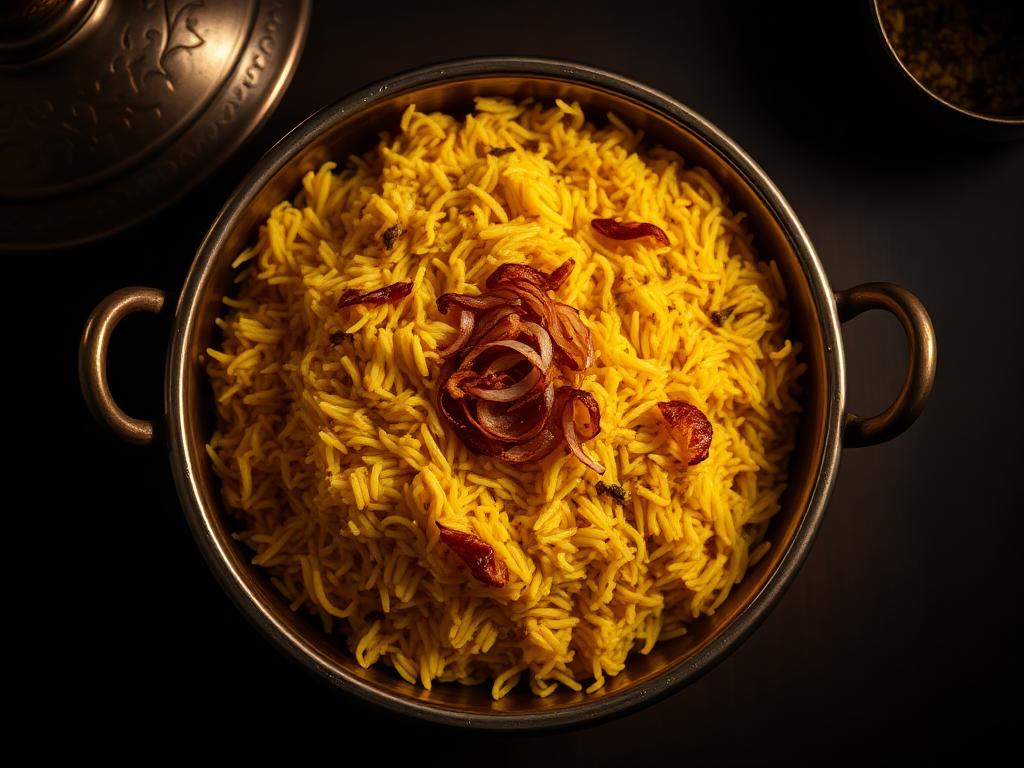
About this dish
Pazham Kanji, meaning 'old rice gruel,' is the ultimate probiotic powerhouse of ancient Kerala. Traditionally, leftovers from the previous night's dinner (Matta rice) are soaked in water overnight in a clay pot, allowing for natural fermentation. Eaten as a cooling breakfast by farmers, it provides sustained energy and gut health through the humid tropical days.
Ingredients
The Fermented Base
- 2 cups Cooked Kerala Matta (parboiled) rice, cooled to room temperature
- 500ml Filtered water
- 1/2 cup Fresh thick yogurt (Curd)
- 1/2 tsp Salt
The Aromatics
- 4-5 Shallots, slightly crushed
- 2-3 Green chilies, slit
- 1 sprig Curry leaves
- 1 inch Ginger, crushed
Method
- 1
Soak the Rice
Place the cooked, cooled Matta rice into a traditional clay pot (Manchatti). Pour enough filtered water to submerge the rice completely, plus an extra inch above the rice level.
- 2
Add Aromatics
Drop the crushed shallots, slit green chilies, and crushed ginger into the water. These ingredients won't just flavor the rice but will also ferment alongside it, adding layers of complexity.
- 3
Overnight Fermentation
Cover the pot with a breathable cloth or a loose lid. Let it sit undisturbed in a cool, dark corner of your kitchen for 8 to 12 hours (overnight) to allow natural bacteria to work.
- 4
Morning Check
By morning, the water (known as 'Torani') should have a very slight tang and the rice should be soft and slightly swollen. The aroma should be fresh and mildly fermented, not sour or foul.
- 5
Add the Curd
Just before serving, whisk the thick curd with a little salt and stir it into the fermented rice and water mixture. This adds creaminess and a secondary layer of probiotics.
- 6
Mash the Rice
Using your hand (the traditional way) or a spoon, slightly mash a few grains of rice against the side of the pot. This thickens the liquid and makes it more satisfying to drink.
- 7
Temperature Control
Never heat Pazham Kanji. It is designed to be eaten at room temperature or slightly cool to maintain the live cultures and provide the cooling effect on the body.
- 8
Final Garnish
Tear a few fresh curry leaves and drop them on top. You can also add a drizzle of coconut oil if you prefer a richer mouthfeel.
Notes & variations
- Always use Matta rice (red rice) for the best results; white rice tends to get too mushy.
- Use a clay pot if possible, as it maintains the perfect temperature for fermentation.
- In peak summer, reduce fermentation time to 6-8 hours to prevent over-souring.
- The 'soaked water' is the most nutritious part; do not drain it off.
Serve with
Serve with a side of 'Puzhukku' (mashed tubers), spicy fish pickle, or roasted dried chilies (Mulaku Kondattam).
Cook's note
Crush the shallots and chilies with your fingers while eating to release their oils into the gruel.