Punjabi Shalgam Masala
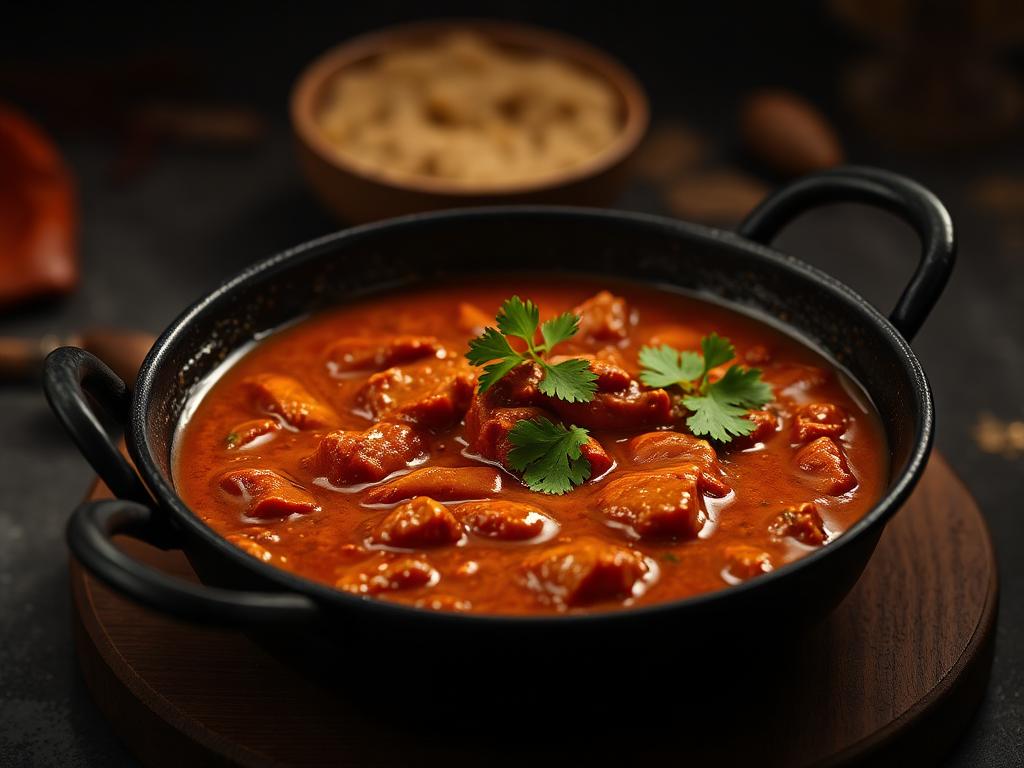
Turnips sautéed with a simple ginger-heavy tempering, a winter specialty.
About this dish
In the biting winters of Punjab, Shalgam Masala is a household staple that celebrates the seasonal bounty of white turnips. Unlike the sweet European preparations, the Punjabi version is robust, featuring a ginger-heavy tempering and a touch of jaggery to balance the turnip's natural bitterness. It is traditionally cooked until the turnips are tender but not completely mashed, retaining a slight bite that pairs beautifully with maize flatbreads.
Ingredients
Primary Produce
- 500g (approx. 4 medium) Shalgam (Turnips), peeled and cut into 1-inch cubes
- 2 medium red onions, finely chopped
- 3 large tomatoes, pureed
- 1.5 tbsp ginger, finely grated
The Tempering and Spices
- 3 tbsp Mustard oil (Sarson ka tel)
- 1 tsp Cumin seeds (Jeera)
- 1/2 tsp Turmeric powder
- 1.5 tsp Kashmiri red chili powder
- 1 tbsp Coriander powder
- 1 tsp Jaggery (Gur), crushed
- Salt to taste
- 2 tbsp fresh cilantro, chopped
Method
- 1
Smoke the mustard oil
Heat the mustard oil in a heavy-bottomed kadhai or pressure cooker over high heat until it reaches its smoking point. Switch off the heat for 30 seconds to let the temperature drop slightly, then turn it back to medium. This removes the raw, pungent aroma of the oil which can otherwise overpower the turnips.
- 2
Bloom the aromatics
Add the cumin seeds and let them splutter for 5-10 seconds until they turn dark brown. Immediately add the chopped onions and sauté for 6-8 minutes on medium heat. The onions should transition from translucent to a deep golden-brown color without burning at the edges.
- 3
Incorporate the ginger
Add the grated ginger and sauté for another 2 minutes. In Punjabi cooking, ginger is added in high quantities to turnips to aid digestion and provide warmth. Ensure the raw smell of the ginger disappears before moving to the next step.
- 4
Develop the tomato base
Pour in the tomato puree along with the salt, turmeric, red chili powder, and coriander powder. Cook this 'bhuna' masala on medium-low heat for 8-10 minutes. You will know it is ready when the oil begins to separate from the sides of the paste and the color deepens significantly.
- 5
Sauté the turnips
Add the cubed turnips to the masala and stir well to coat every piece. Sauté them on medium-high heat for 3-4 minutes, allowing the outer layer of the turnips to sear slightly and absorb the spices. This step prevents the turnips from becoming soggy during the steaming process.
- 6
Pressure cook or simmer
If using a pressure cooker, add 1/4 cup of water and cook for 2 whistles on medium heat. If using a pan, add 1/2 cup of water, cover tightly, and simmer for 15-18 minutes. The goal is for the turnip to be fork-tender but still holding its geometric shape.
- 7
Balance with jaggery
Once the pressure is released, open the lid and stir in the crushed jaggery. Turn the heat to high for 2 minutes to evaporate any excess moisture. The jaggery will dissolve, giving the dish a glossy sheen and a subtle sweetness that counters the turnip's pungency.
- 8
Final garnish
Switch off the heat and fold in the freshly chopped cilantro. Let the dish rest covered for 5 minutes before serving to allow the flavors to meld. The final consistency should be semi-dry (lipatwan) with a thick masala coating the vegetable.
Notes & variations
- Select smaller turnips as they are sweeter and less fibrous than larger ones.
- Mustard oil is essential for the authentic Punjabi flavor; do not substitute with olive oil.
- If you prefer a mash, cook for 3 whistles and use a potato masher lightly at the end.
- Store in an airtight container for up to 3 days; the flavor often improves the next day.
Serve with
Serve hot with Makki di Roti (maize flatbread) and a dollop of white butter.
Cook's note
Adding a pinch of Amchur (dry mango powder) at the end can provide a nice tangy contrast if the turnips are particularly sweet.