Ragi sankati Recipe
Rayalaseema finger-millet and rice balls, soft enough to carry robust gravies.
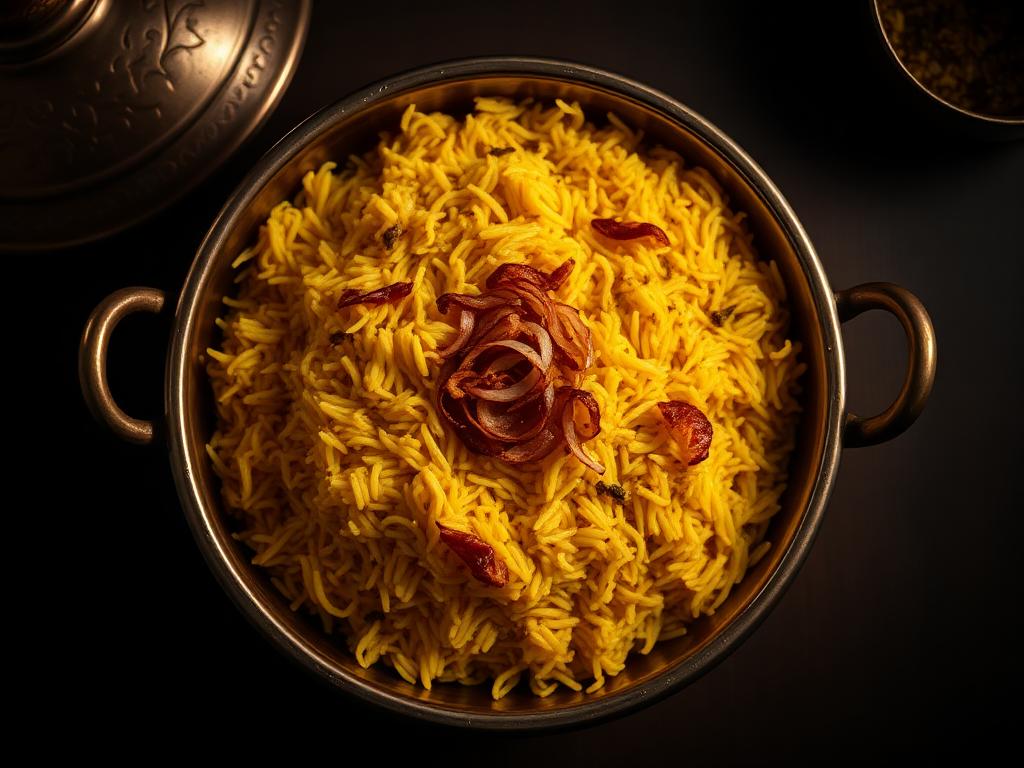
About this dish
Ragi sankati is closely associated with Rayalaseema, where finger millet has long suited the region's relatively dry growing conditions. Rice and ragi flour are cooked together and beaten into a cohesive mound, then shaped while warm. It is an everyday sustaining meal, traditionally paired with leafy preparations, pulusu or, in non-vegetarian households, country-chicken gravy.
Ingredients
Sankati
- 100 g raw rice (½ cup)
- 140 g ragi flour, also called finger-millet flour (1 cup)
- 900 ml water (3¾ cups)
- 4 g fine salt (⅔ teaspoon)
Shaping and finishing
- 120 ml water for wetting the bowl and spoon (½ cup), not all incorporated
- 10 g ghee (2 teaspoons)
Method
- 1
Rinse the rice
Wash the rice in two or three changes of water, then drain for 2 minutes. Check the ragi flour for lumps and pass it through a sieve if necessary. Keep both ingredients off the heat until the cooking water is ready.
- 2
Bring the water to a boil
Pour the 900 ml cooking water into a heavy, deep saucepan and add the salt. Bring to a full boil over high heat, allowing about 5 minutes depending on the pan. The surface should bubble vigorously before the rice goes in.
- 3
Cook the rice very soft
Add the drained rice, stir once and reduce to medium-low heat. Cook partially covered for 18–22 minutes, stirring occasionally to prevent sticking. The grains should become very soft, with enough starchy liquid remaining to surround them freely.
- 4
Mash the rice lightly
Use a sturdy wooden spoon to press and mash some of the rice against the side of the pan for 1–2 minutes. Keep the heat low so the mixture bubbles gently rather than splattering. It should resemble a loose, coarse rice porridge, not dry cooked rice.
- 5
Add the ragi flour
Sprinkle the ragi flour into a mound over the simmering rice mixture without immediately beating it in. Make two or three small openings through the flour with the spoon handle so steam can rise through it. Cover and cook over the lowest heat for 3–4 minutes, until the flour darkens where it absorbs moisture.
- 6
Beat into a smooth mass
Uncover and stir vigorously with the wooden spoon for 2–3 minutes over low heat. Fold from the base upward and crush any dry pockets against the pan wall. The rice and flour should combine into a thick, cohesive mass with no pale, powdery streaks.
- 7
Finish cooking the millet
Cover again and cook over very low heat for 3–4 minutes, then give the sankati another firm stir. It should pull together around the spoon and smell cooked and nutty rather than like raw flour. If it sticks aggressively before cooking through, move the pan onto a heat diffuser.
- 8
Shape safely
Remove from the heat and leave covered for 2 minutes so the most intense steam subsides. Wet a small bowl and sturdy serving spoon with the shaping water, then scoop in one quarter of the mixture. Swirl and press it in the bowl for about 30 seconds to form a rounded mound without touching the hot mixture directly.
- 9
Finish and serve
Turn the mound onto a plate and repeat with the remaining sankati while it is still warm and pliable. Divide the ghee over the four portions, using about ½ teaspoon on each. Serve within 5 minutes, when the surface is moist and the inside is soft enough to pinch or spoon into gravy.
Notes & variations
- Cup measures use a 240 ml cup; ragi flour packing varies, so weigh it when possible.
- Salt and ghee are household preferences; omit the ghee for a vegan preparation.
- The rice must be softer than ordinary steamed rice before the millet flour is added.
- Sankati firms as it cools; reheat covered with a splash of water and beat again before serving.
Serve with
Palakura pappu, gongura pappu or a tangy pulusu; natu kodi pulusu is a traditional non-vegetarian pairing.
Cook's note
Use a sturdy wooden spoon and a stable, heavy pan: thorough beating is what removes flour pockets.