Rajma Jammu Style
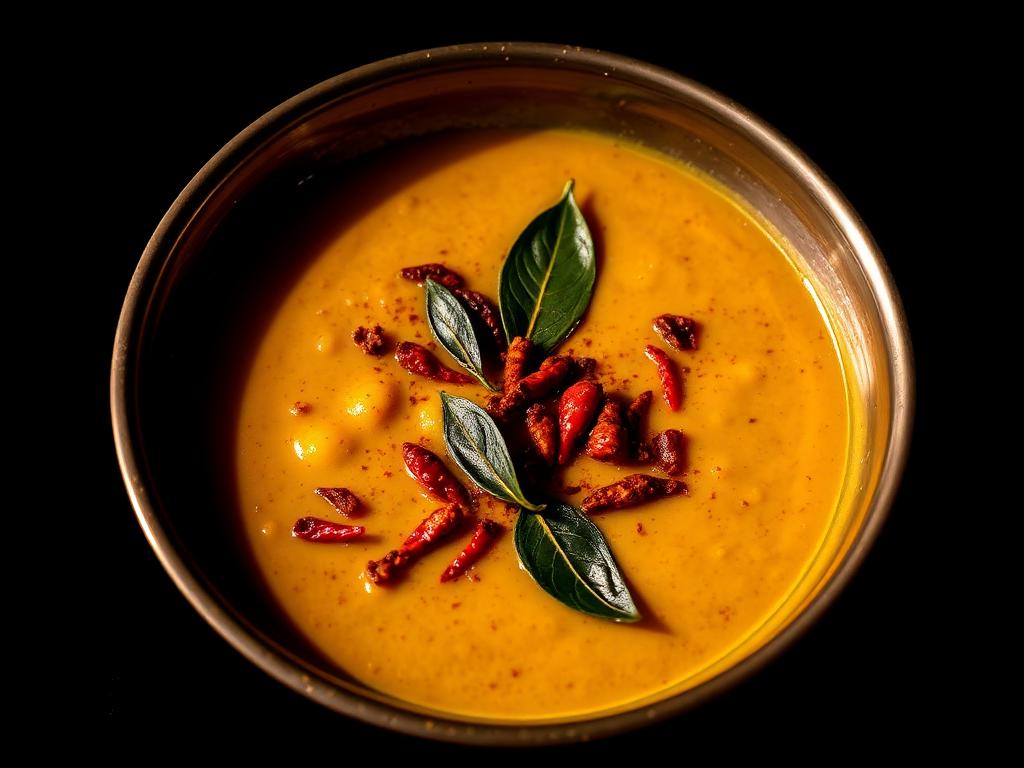
Small red kidney beans cooked in a thin, spicy, and tangy ginger-heavy gravy.
About this dish
Originating from the Jammu region but widely embraced in Punjabi households, this specific preparation uses the 'Chitra' or small Kashmiri rajma. Unlike the thick, onion-heavy gravies of Delhi, this version is prized for its thin, soupy consistency and a sharp ginger-chilli kick. It is traditionally the highlight of a Sunday lunch, symbolizing comfort and regional identity.
Ingredients
Pressure Cooking
- 200g (1 cup) Small Kashmiri Rajma (red kidney beans), soaked 8 hours
- 750ml (3 cups) Water
- 1 Black Cardamom (Badi Elaichi), slightly cracked
- 1 tsp Salt
- 1/4 tsp Baking Soda (optional, for extra softness)
The Tadka (Tempering)
- 3 tbsp Mustard Oil (Sarson ka tel)
- 1/2 tsp Cumin Seeds (Jeera)
- 1 pinch Asafoetida (Hing)
- 3 medium Tomatoes, pureed (approx 200g)
- 2 tbsp Ginger-Garlic Paste
- 2-3 Green Chillies, slit lengthwise
- 1 tsp Kashmiri Red Chilli Powder
- 1/2 tsp Turmeric Powder
- 1 tbsp Coriander Powder
- 1/2 tsp Dry Ginger Powder (Saunth)
Finishing
- 1/2 tsp Garam Masala
- 1 tbsp Ghee
- Handful Fresh Coriander, chopped
Method
- 1
Pressure Cook the Beans
Drain the soaking water and place the rajma in a pressure cooker with 3 cups of fresh water, salt, and black cardamom. Cook on high heat for 2 whistles, then reduce to low and simmer for 15-20 minutes until the beans are butter-soft and mash easily between fingers. Do not discard the cooking liquid as it contains the flavor.
- 2
Prepare the Mustard Oil
In a heavy-bottomed kadhai, heat the mustard oil until it reaches its smoking point (it will turn pale). Turn off the heat for a minute to cool slightly, then turn it back to medium; this removes the raw pungency of the oil.
- 3
Bloom the Aromatics
Add cumin seeds and hing to the oil. Once they sizzle and release a toasted aroma (about 10 seconds), add the ginger-garlic paste and sauté for 2 minutes until the raw smell disappears and it turns golden brown.
- 4
Build the Tomato Base
Pour in the pureed tomatoes and cook on medium-high heat. You are looking for the 'bhuna' stage where the moisture evaporates and the oil begins to separate from the sides of the paste, usually taking 8-10 minutes.
- 5
Add Dry Spices
Reduce heat to low and add red chilli powder, turmeric, coriander powder, and dry ginger powder. Splash 2 tablespoons of warm water to prevent the spices from burning, and sauté for another 2 minutes until the masala is dark red.
- 6
Combine Beans and Masala
Add the cooked rajma along with its water to the kadhai. Use a spatula to lightly mash about 10% of the beans against the side of the pot; this releases starch and thickens the gravy naturally without making it heavy.
- 7
Simmer for Depth
Bring the mixture to a boil, then cover and simmer on low heat for 10-12 minutes. This allows the spices to penetrate deep into the beans; the gravy should be thin but flavorful, not watery.
- 8
Final Tempering
Stir in the garam masala and a tablespoon of ghee. The ghee adds a silky mouthfeel and rounds off the heat from the ginger and chillies.
- 9
Garnish and Rest
Turn off the heat and garnish with plenty of fresh coriander. Let the dish sit for 5 minutes before serving to allow the flavors to harmonize.
Notes & variations
- Always use the small, dark red Kashmiri variety for Jammu style; large light-colored beans won't yield the same texture.
- Mustard oil is non-negotiable for the authentic earthy flavor profile.
- If the gravy is too thick, add boiling water—never cold water—to adjust consistency.
- Leftovers taste better the next day as the beans absorb more spice.
Serve with
Steamed Basmati rice (Rajma-Chawal) and a side of sliced onions with lemon juice.
Cook's note
The secret to Jammu Rajma is the 'Saunth' (dry ginger powder); it provides a unique heat that fresh ginger cannot replicate.