Sukhi Arbi Ajwain wali
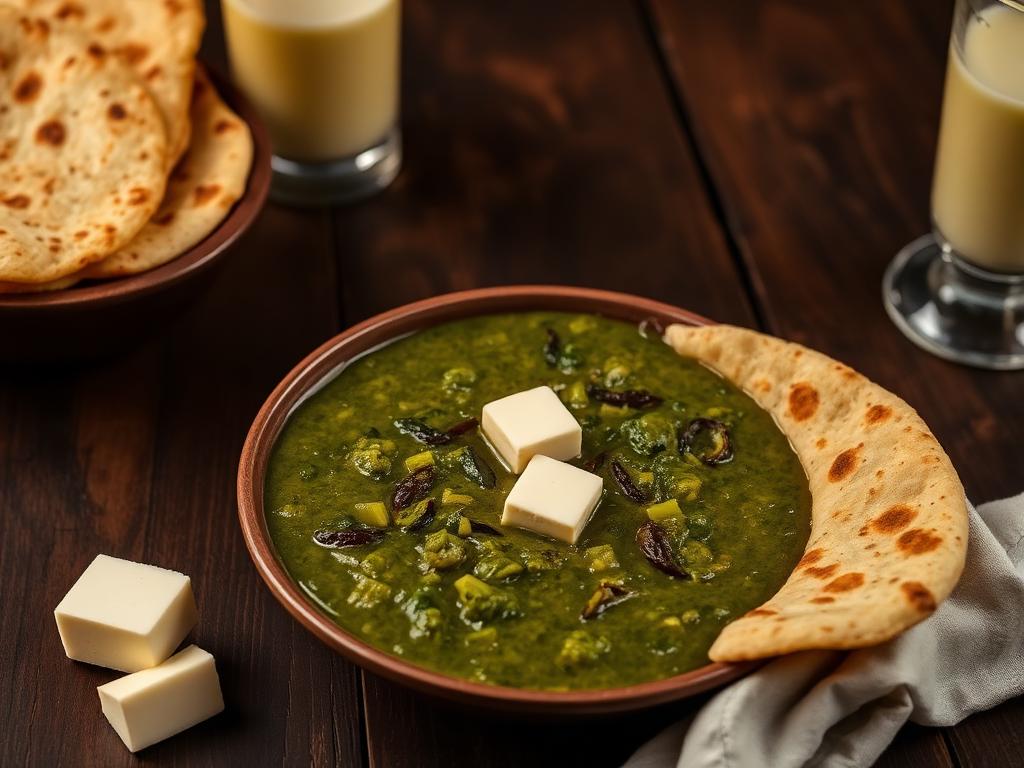
Crispy fried colocasia roots tempered with carom seeds and dry spices.
About this dish
Arbi (colocasia/taro root) is a staple in Punjabi households during the summer months. This 'sukhi' (dry) version is unique because it relies on ajwain (carom seeds) to aid digestion and provide a sharp, thyme-like aroma. The technique involves double-cooking—boiling then frying—to transform the naturally slimy root into a crispy, golden delicacy.
Ingredients
The Roots
- 500g Arbi (Colocasia roots), washed thoroughly
- 1/2 tsp Turmeric (for boiling)
- 1 tsp Salt
The Tempering
- 3 tbsp Mustard oil (Sarson ka tel)
- 1.5 tsp Ajwain (Carom seeds)
- 1/4 tsp Hing (Asafoetida)
- 2 Green chilies, slit lengthwise
- 1 inch Ginger, julienned
Dry Spices
- 2 tsp Coriander powder (Dhania)
- 1 tsp Kashmiri red chili powder
- 1/2 tsp Amchur (Dry mango powder)
- 1/2 tsp Garam masala
- Salt to taste
Method
- 1
Parboil the Arbi
Pressure cook the arbi with water and turmeric for 1-2 whistles. They should be 80% cooked—firm enough to slice but not mushy. Drain and let them cool completely.
- 2
Peel and Shape
Peel the skin off the cooled arbi. Slice them into 1/2 inch thick rounds or length-wise wedges. If they are very small, you can leave them whole and slightly flatten them with your palm.
- 3
Heat the Oil
In a wide iron kadhai, heat mustard oil until it reaches its smoking point. Switch off the heat for 30 seconds to let the temperature drop slightly, then turn it back to medium.
- 4
Tempering
Add the ajwain and hing. Once the seeds sizzle and release their pungent aroma (about 10 seconds), add the ginger juliennes and green chilies, sautéing for 30 seconds.
- 5
Sear the Arbi
Add the sliced arbi to the pan in a single layer if possible. Let them fry undisturbed for 4-5 minutes on medium heat until the bottom side develops a golden-brown crust.
- 6
Flip and Crisp
Carefully flip the arbi pieces. Cook for another 3-4 minutes. The goal is to remove all surface sliminess and replace it with a crispy exterior.
- 7
Add Dry Spices
Sprinkle the coriander powder, red chili powder, and salt over the arbi. Toss gently to coat without breaking the pieces. Keep the heat low to avoid burning the dry spices.
- 8
Final Sauté
Continue to cook for 5 minutes, stirring occasionally. The spices should form a crusty layer on the arbi. You will see the oil starting to separate from the spices.
- 9
Tangy Finish
Sprinkle the amchur powder and garam masala at the very end. The amchur provides a necessary tartness that balances the earthy flavor of the root.
- 10
Garnish
Turn off the heat and garnish with plenty of fresh chopped coriander. The residual heat of the iron pan will keep the arbi crisp until served.
Notes & variations
- If mustard oil is too strong, you can use sunflower oil, but you will lose the authentic Punjabi zing.
- Ensure the arbi is completely dry before frying to prevent it from becoming sticky.
- For a healthier version, you can air-fry the boiled arbi before adding it to the tempering.
- Leftovers can be stuffed into a paratha for a quick breakfast.
Serve with
Serve hot with soft Phulkas (rotis) and a bowl of thick curd.
Cook's note
Rub a little oil on your hands before peeling the arbi to prevent the itchy sensation caused by calcium oxalate crystals.