Sukhi Dal Mash
Dry-styled split white urad dal tempered with ginger and green chilies.
About this dish
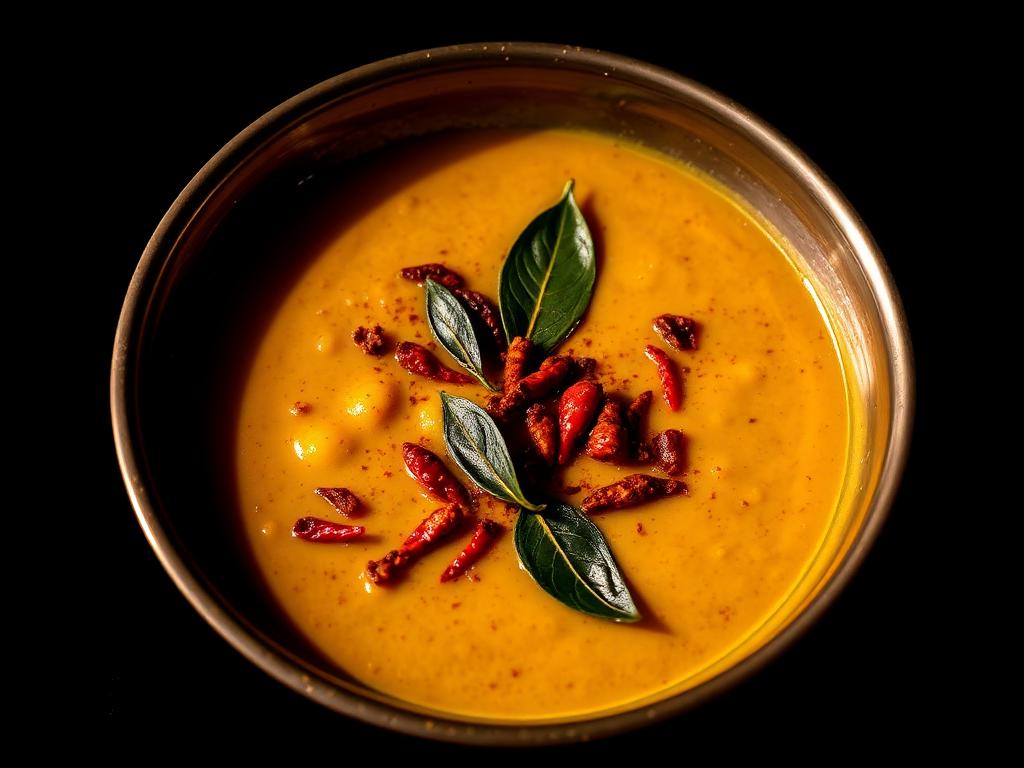
Sukhi Dal Mash is a staple in Punjabi dhabas and households, known for its distinct 'khili-khili' or separate-grain texture. Unlike the creamy Dal Makhani, this version uses split washed white urad dal to achieve a nutty, firm bite. Traditionally served for breakfast or a rustic lunch, its soul lies in the heavy tempering of julienned ginger and the aroma of pure desi ghee.
Ingredients
The Dal Base
- 200g (1 cup) Dhuli Urad Dal (split washed white lentils)
- 750ml (3 cups) Water for soaking
- 1/2 tsp Turmeric powder
- 1 tsp Salt
- 500ml Water for boiling
The Tadka (Tempering)
- 3 tbsp Desi Ghee
- 1 tsp Cumin seeds (Jeera)
- 1/4 tsp Asafoetida (Hing)
- 2 medium Onions, finely chopped
- 2 inches Ginger, half minced and half julienned
- 3 Green chilies, slit lengthwise
- 1/2 tsp Red chili powder (Deggi Mirch)
- 1/2 tsp Garam masala
- 2 tbsp Fresh coriander, chopped
Method
- 1
Soaking the Dal
Rinse the white urad dal thoroughly under cold running water until the water runs clear, removing excess starch. Soak it in 3 cups of water for at least 30 minutes to ensure even cooking. Drain the soaking water completely before starting the boil.
- 2
Parboiling Technique
In a heavy-bottomed pot, add the soaked dal, 500ml water, turmeric, and salt. Bring to a boil over medium heat and skim off any white foam that rises to the top. Cook for 8-10 minutes until the dal is 90% done; it should be tender enough to mash between fingers but must retain its distinct shape without turning mushy.
- 3
Draining and Resting
Immediately drain the dal in a colander once it reaches the 'al dente' stage. Spread it out on a wide plate to stop the residual cooking process. This prevents the grains from sticking together, which is the hallmark of a true 'Sukhi' (dry) dal.
- 4
Aromatic Tempering
Heat ghee in a wide kadai or wok over medium heat until it shimmers. Add cumin seeds and let them crackle, then add hing. The ghee should be hot enough that the spices release their aroma instantly without burning.
- 5
Sautéing Aromatics
Add the finely chopped onions and sauté for 6-8 minutes until they turn a light golden brown. Introduce the minced ginger and slit green chilies, frying for another 2 minutes until the raw smell of ginger disappears.
- 6
Integrating Spices
Lower the heat to minimum and add the red chili powder and garam masala. Stir rapidly for 30 seconds to cook the spices in the fat, ensuring the color turns a deep vibrant red without charring the powders.
- 7
Combining Dal and Masala
Gently fold the parboiled dal into the masala using a wide spatula. Use a folding motion rather than stirring vigorously to keep the grains intact. Ensure every grain is coated in the spiced ghee.
- 8
Steam Cooking (Dum)
Cover the kadai with a tight-fitting lid and cook on the lowest possible heat for 4-5 minutes. This 'dum' process allows the dal to absorb the flavors of the tadka while finishing the last 10% of cooking.
- 9
The Ginger Garnish
Remove the lid and check if the dal is perfectly soft yet separate. Toss in the ginger juliennes and fresh coriander. The fresh ginger provides a sharp, crunchy contrast to the buttery lentils.
- 10
Final Texture Check
If the dal seems too dry, sprinkle a teaspoon of warm water and toss again. The final result should be glistening with ghee but have no standing liquid at the bottom of the pan.
Notes & variations
- Use aged urad dal for better grain separation.
- Do not overcook during the boiling phase; even 1 minute extra can turn it into a paste.
- Leftovers can be stuffed into parathas the next morning.
- For a vegan version, substitute ghee with mustard oil, though the flavor profile will change significantly.
Serve with
Serve hot with Tandoori Roti or Missi Roti and a side of sliced onions.
Cook's note
Adding a teaspoon of lemon juice at the end helps keep the dal grains separate and bright white.