Thanjavur Akkaravadasil
Rich temple-style rice and lentil pudding cooked in milk and jaggery.
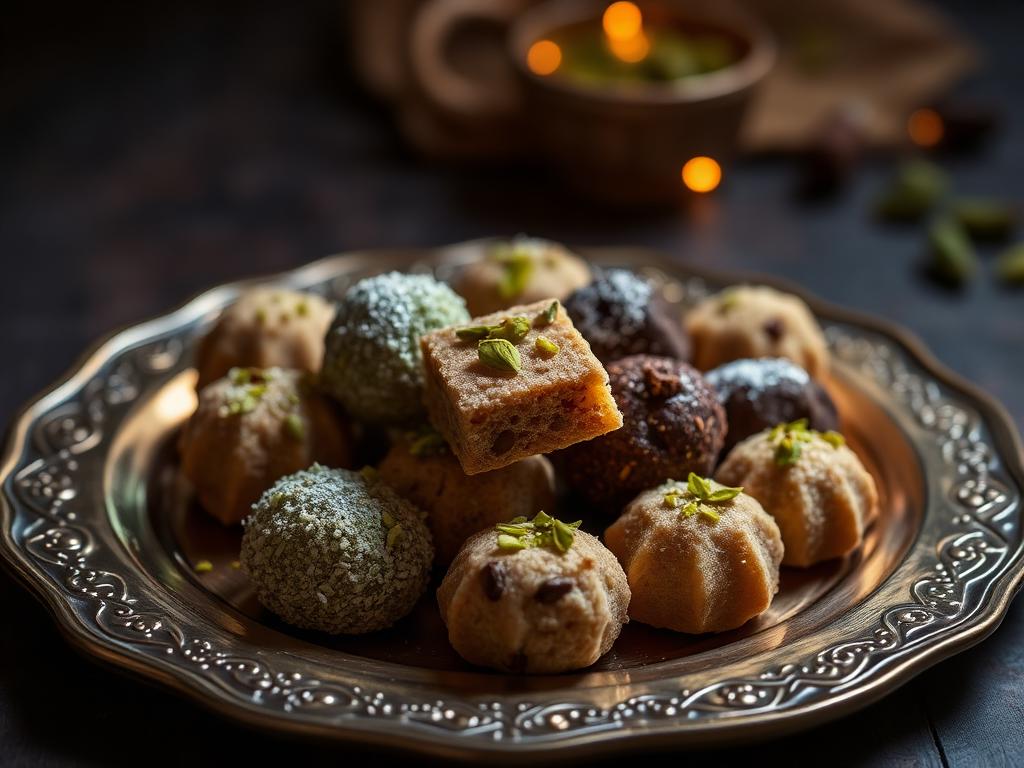
About this dish
Akkaravadasil is a decadent temple prasadam originating from the Srirangam and Thanjavur belts, famously mentioned in ancient Tamil literature. It differs from regular Sakkarai Pongal by being cooked entirely in milk rather than water, resulting in a creamy, fudge-like consistency. It is the quintessential offering during the month of Margazhi and at Vaishnavite temples.
Ingredients
Rice and Lentils
- 200g (1 cup) Raw Rice (Sona Masuri or Ponni)
- 50g (1/4 cup) Moong Dal (Split Yellow Lentils)
- 1.25 Liters (5 cups) Full Cream Milk
- 1/2 tsp Saffron strands soaked in 2 tbsp warm milk
Sweetener and Flavoring
- 400g (2 cups) Dark Jaggery, crushed
- 150ml (2/3 cup) Ghee
- 1/2 tsp Cardamom Powder
- 1 small pinch Edible Camphor (Pachai Karpooram)
- 20 Cashew nuts
- 1 tbsp Raisins
Method
- 1
Roasting the grains
In a heavy-bottomed pan, dry roast the moong dal on low heat for 3-4 minutes until it turns aromatic and slightly golden. Add the raw rice to this and give it a quick stir for 1 minute. Do not brown the rice; the goal is simply to heat the grains to improve absorption.
- 2
The Milk Simmer
Wash the rice and dal mixture, then place it in a large pressure cooker or a heavy 'Uruli'. Add 1 liter of milk and cook on low-medium flame for 5-6 whistles until the rice is mushy. If cooking in an open pot, keep stirring to prevent the milk from scorching at the bottom.
- 3
Preparing Jaggery Syrup
While the rice is cooking, dissolve the crushed jaggery in 1/2 cup of water over medium heat. Once completely melted and bubbling, strain it through a fine sieve to remove impurities and set the syrup aside. Do not boil it to a string consistency; a simple melt is sufficient.
- 4
Mashing and Combining
Once the pressure releases, mash the rice and dal vigorously with a heavy spoon until it becomes a smooth paste. Add the remaining 250ml of milk and the saffron infusion, then stir over low heat for 5 minutes until the mixture looks like a thick porridge.
- 5
Integrating the Sweetness
Slowly pour the strained jaggery syrup into the rice mixture while stirring continuously. The mixture will initially loosen up but will thicken as it cooks. Keep the flame at the lowest setting to ensure the milk doesn't curdle when meeting the acidic jaggery.
- 6
Ghee and Tempering
Add the ghee in three stages, stirring well after each addition until the fat is fully absorbed. In a separate small pan, fry cashews in a teaspoon of ghee until golden, add raisins until they plump up, and pour this over the pudding. Add cardamom and a tiny speck of edible camphor.
Notes & variations
- Use dark 'Paagu Vellam' (jaggery) for the deep brown color and rich caramel taste.
- The edible camphor is extremely potent; use only a tiny crumb (size of a mustard seed).
- If the pudding thickens too much upon cooling, stir in a little warm milk before serving.
- Cooking in a traditional bronze Uruli gives the dish a unique metallic depth and superior texture.
Serve with
Serve hot in small bowls, garnished with an extra teaspoon of ghee on top.
Cook's note
Always ensure the jaggery syrup is at room temperature when adding it to the hot milk-rice base to prevent curdling.